
Introduction to Topwater Lures
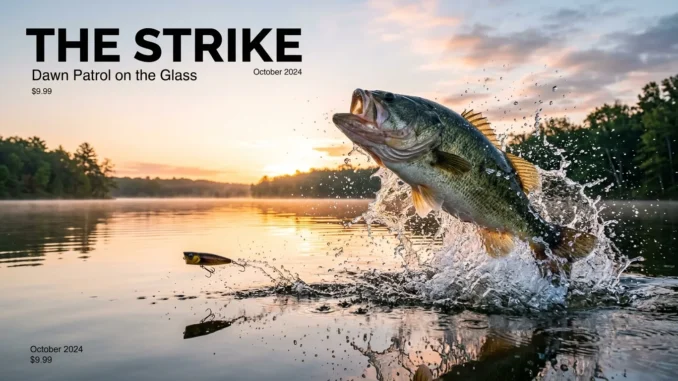
There’s nothing quite like the thrill of watching a fish break the water’s surface to strike a topwater lure. The explosive strike, the splash, and the adrenaline rush that follows is what makes topwater fishing so exciting. As a beginner, mastering topwater lures can seem daunting, but with the right techniques and knowledge, you can start catching fish in no time. In my opinion, topwater lures are one of the most effective ways to catch fish, and with practice, you can become a pro at it.
So, what are topwater lures? Topwater lures are designed to float on the surface of the water, imitating injured baitfish, frogs, or other prey that fish feed on. They come in various shapes, sizes, and colors, each designed to attract specific species of fish. From popper lures that create a popping sound when retrieved, to spook lures that skim across the surface, there’s a topwater lure for every fishing situation.
But what would you do in this situation? Imagine you’re fishing on a calm lake on a sunny day, and you see a school of fish swimming near the surface. You know that topwater lures are the way to go, but you’re not sure which one to use or how to retrieve it. That’s where this guide comes in – to help you master the art of topwater lure fishing and increase your chances of catching fish.
Choosing the Right Topwater Lure
Types of Topwater Lures
There are several types of topwater lures, each designed for specific fishing conditions and species. Some popular types of topwater lures include:
- Poppers: These lures create a popping sound when retrieved, imitating injured baitfish.
- Spooks: These lures skim across the surface, creating a commotion that attracts fish.
- Stickbaits: These lures are long and slender, imitating baitfish or frogs.
- Frogs: These lures are designed to imitate frogs or other small creatures that fish feed on.
When choosing a topwater lure, consider the type of fish you’re targeting, the water conditions, and the time of day. For example, if you’re fishing for bass in a lake with plenty of vegetation, a frog lure might be the way to go. On the other hand, if you’re fishing for trout in a fast-moving stream, a spook lure might be more effective.
Retrieving Topwater Lures
Techniques for Success
Retrieving topwater lures is an art that requires patience, practice, and attention to detail. Here are some techniques to help you succeed:
First, make sure to cast your lure into the right spot. Look for areas with plenty of structure, such as rocks, weeds, or sunken logs, where fish are likely to be hiding. Once you’ve cast your lure, let it sit for a few seconds to allow the fish to find it. Then, start retrieving your lure using a steady, smooth motion. Vary your retrieval speed and action to imitate injured baitfish or other prey.
For example, imagine you’re using a popper lure to catch bass. You cast your lure into a weed bed and let it sit for a few seconds. Then, you start retrieving your lure using a slow, steady motion, pausing occasionally to allow the fish to strike. As you retrieve your lure, you notice that the fish are striking it more aggressively when you pause it, so you adjust your retrieval to include more pauses.
Troubleshooting Common Problems
Common Mistakes to Avoid
As a beginner, it’s easy to make mistakes when using topwater lures. Here are some common problems to watch out for:
One of the most common mistakes is retrieving the lure too quickly. This can spook the fish and make them less likely to strike. Another mistake is using the wrong type of lure for the fishing conditions. For example, using a spook lure in a lake with plenty of vegetation can result in the lure getting stuck in the weeds.
To avoid these mistakes, make sure to practice your retrieval techniques and experiment with different types of lures. Also, pay attention to the fishing conditions and adjust your strategy accordingly. For example, if you’re fishing in a lake with plenty of vegetation, try using a weedless lure to avoid getting stuck.
Conclusion and Final Tips
Mastering topwater lures takes time and practice, but with the right techniques and knowledge, you can start catching fish in no time. Remember to choose the right lure for the fishing conditions, retrieve your lure using a steady, smooth motion, and pay attention to the fish’s behavior. Don’t be afraid to experiment and try new things – it’s all part of the learning process.
So, what are you waiting for? Get out there and start fishing with topwater lures! With practice and patience, you’ll be catching fish in no time. And remember, the most important thing is to have fun and enjoy the experience. Happy fishing!
Leave a Reply