
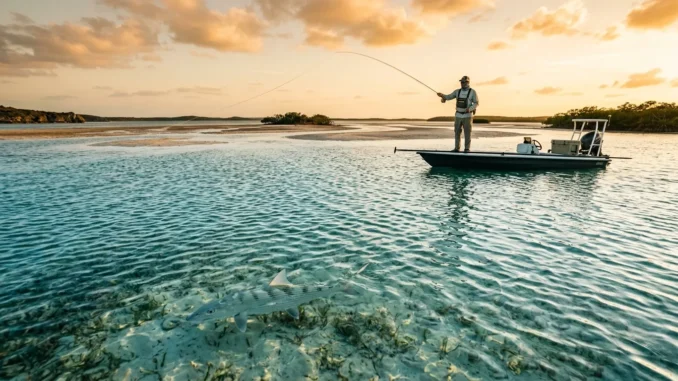
Unlock the Secret: Spotting and Catching Fish in Clear Waters
Imagine this: you’re standing by a crystal-clear lake or river, peering into the water, and suddenly you see it – a magnificent fish, perfectly still, just waiting for the right moment. That thrill of discovery, the challenge of a perfect cast, and the satisfaction of watching your target strike your bait or lure – that’s the magic of sight fishing. It’s not just about luck; it’s an art form, a skill that transforms fishing into a more engaging, interactive, and incredibly rewarding experience. For anyone looking to deepen their connection with the water and truly understand fish behavior, sight fishing is your next adventure.
Why Sight Fishing is Your Secret Weapon (and a Ton of Fun!)
Sight fishing is exactly what it sounds like: actively spotting fish in clear water before you cast your line. It’s a game-changer because it takes away much of the guesswork. Instead of casting blindly, hoping a fish is in the area, you’re making a calculated, targeted presentation to a fish you know is there and, ideally, ready to eat. This precision drastically increases your chances of a hook-up and makes every catch feel incredibly earned.
Honestly, the excitement is unmatched. For example, imagine this situation: you’re walking along a shallow, clear-bottomed flat, scanning the water. Suddenly, a dark shadow detaches from the weeds – a plump largemouth bass, slowly cruising the edge. Your heart rate picks up. You carefully position yourself, make a quiet, accurate cast a few feet ahead of its path, and then watch as it turns, follows, and finally inhales your lure. That visual confirmation of the strike is pure adrenaline! It’s an invaluable way to learn how fish react to different baits, how they hold in certain currents, and what spooks them, turning you into a more intuitive angler.
Essential Gear for Your Eagle Eyes
To truly master the art of sight fishing, you don’t need a boatload of expensive gear, but a few key items will make all the difference. Think of it as having the right tools for a specific job – and in this case, the job is seeing what others miss.
The Unsung Hero: Polarized Sunglasses
The single most crucial piece of gear for sight fishing is a good pair of polarized sunglasses. These aren’t just for looking cool; they’re an absolute necessity. Polarized lenses cut through the glare on the water’s surface, allowing you to see into the depths and spot fish, structure, and weeds that would otherwise be invisible. Without them, you’re essentially fishing blind. Look for amber, brown, or copper lens tints for freshwater, and gray or blue for bright offshore saltwater conditions.
Rod, Reel, and Line for Precision
For most sight fishing scenarios, especially for beginners targeting common species like bass, trout, or panfish, a versatile spinning combo is ideal. I recommend a 6–7 foot medium-light to medium power spinning rod paired with a 2500–3000 size spinning reel. This setup offers enough backbone to handle a decent fish but is sensitive enough to cast lighter lures and detect subtle bites. A spinning reel, for those new to the term, is a type of fishing reel where the spool is fixed, and a metal bail wraps the line onto it, making it very user-friendly for casting.
When it comes to line, stealth is key. For your main line, 6–10 lb monofilament is a good, budget-friendly choice for beginners, as it’s easy to handle and has some stretch. However, for clear water and wary fish, using a fluorocarbon leader is a game-changer. A fluorocarbon leader is a section of fishing line, typically 2-3 feet long, tied to the end of your main line. It’s nearly invisible underwater, making it less likely to spook fish. For leader material, I’d suggest 6-10 lb fluorocarbon for freshwater applications. For saltwater, you might go up to 15-20 lb braided main line with a 20-30 lb fluorocarbon leader, especially for bigger fish like snook or redfish. Braided line, by the way, is made of multiple strands woven together, offering incredible strength for its diameter and no stretch, which is great for sensitivity. You’ll want to connect your leader with a reliable knot like the Improved Clinch Knot or, for braided to fluoro, a FG Knot or Double Uni Knot.
Subtle Baits and Lures
With sight fishing, you’re often presenting to a fish that’s already aware of its surroundings. This means your bait or lure needs to be natural-looking and presented subtly. Small, realistic soft plastics like plastic worms, creature baits, or swimbaits (2-4 inches) are excellent for bass. For trout, try small inline spinners, tiny spoons, or natural baits like worms or salmon eggs. Shrimp, cut bait, or small jigs are fantastic for saltwater species like snappers or redfish. The key is to match the hatch – use something that imitates the natural food sources fish are already eating in that specific environment.
Where and When to Spot Your Target
You can’t sight fish just anywhere. The conditions and location play a huge role. Learning to read the water is paramount, and it will exponentially improve your success rate even when you aren’t sight fishing.
Reading the Water and Weather
The most obvious requirement is clear water. This means lakes, rivers, or coastal flats where visibility extends several feet. Muddy or heavily stained water won’t allow you to see fish, no matter how good your polarized lenses are. Calm conditions are also preferred, as ripples on the surface can obscure your view. Sunny days are often best because the sun’s rays penetrate the water, illuminating fish and structure. Aim for times when the sun is higher in the sky (mid-morning to late afternoon) as this provides the best light penetration, though early morning or late evening can also be productive if fish are feeding aggressively in very shallow, clear areas.
Prime Hiding Spots
Fish love structure and cover – it provides safety, ambush points, and often holds food. When sight fishing, focus your scanning efforts around submerged logs, rock piles, weed lines, docks, lily pads, bridge pilings, and drop-offs. In rivers, look for eddies, current breaks, and undercut banks. Along coastlines, focus on grass flats, oyster beds, and mangrove shorelines. Fish will often sit just outside these areas, waiting for a meal to drift by. Pay close attention to shadows, too; fish often use them for cover from predators and the sun.
The Hunt: How to Spot and Present Your Bait
Now that you have the right gear and know where to look, it’s time to put your scouting skills to the test. This is where patience and stealth truly pay off.
Stealth and Observation First
Walk softly and move slowly. Any sudden movements or loud noises on the bank can send fish scattering. Use a wide, slow scanning motion with your eyes, letting your polarized lenses do their work. Don’t just look for the fish itself; look for shadows, movement, or even subtle changes in water texture that might indicate a fish’s presence. Sometimes, you’ll only catch a flicker of a tail or the outline of a fin. Once you spot a fish, stop moving and observe its behavior. Is it cruising, feeding, or holding still? This observation will inform your next move.
Making the Perfect Presentation
This is the critical moment. Once you’ve identified your target, you need to make a cast that doesn’t spook the fish but lands close enough to entice a bite. Cast well beyond the fish and retrieve your lure into its strike zone, or lead the fish by casting a few feet ahead of its path. Avoid casting directly on top of a fish, as this will almost certainly send it fleeing. Let your bait or lure fall naturally and quietly. What would you do if a pebble just dropped on your head? Exactly! You’d bolt. A gentle splash is key. Work your lure slowly and naturally, mimicking its natural prey. Sometimes, a subtle twitch is all it takes; other times, a slow, steady retrieve is better.
Common Sight Fishing Mistakes to Avoid
Even seasoned anglers make mistakes, but knowing what to watch out for will help you avoid the most common pitfalls when sight fishing.
Spooking Your Target
This is by far the most common mistake. Heavy footsteps on the bank, a loud plop of your lure, your shadow falling over the fish, or even the glint of your rod can send a wary fish bolting. Always approach the water cautiously, keeping a low profile. Try to cast with the sun at your back so your shadow doesn’t precede your lure. If you spook a fish, give the area some time to settle down before trying again, or move to another spot.
Ignoring Your Surroundings and Gear
Forgetting your polarized sunglasses, using line that’s too heavy or visible, or not having a small, natural-looking bait are all common errors. Sight fishing demands attention to detail. Also, don’t rush! Impatience is the enemy of sight fishing. Take your time to observe the fish’s behavior before making a cast. A hurried cast is often a wasted cast, and you might only get one shot at a truly trophy-sized fish.
What to Do This Weekend: Your Sight Fishing Challenge
Grab your polarized sunglasses and your favorite light spinning rod (a 6-foot, medium-light rod with a 2500 reel and 8lb mono or fluorocarbon leader is perfect!). Head to a local park pond, a clear creek, or a calm section of a river or pier known for good visibility. Spend the first 30 minutes just walking the bank slowly, scanning the water with your sunglasses. Don’t even cast! Just focus on spotting fish. Once you see one, then try making a subtle, precise cast. Even if you don’t catch anything, the act of spotting and presenting to a visible fish is a huge step in becoming a more observant and effective angler.
Sight fishing is truly a rewarding aspect of our passion. It sharpens your skills, teaches you immense patience, and connects you more deeply with the aquatic world. It’s an approach that emphasizes observation and precision, making every successful hook-up feel like a personal victory. So next time you’re out on the water, slow down, look closely, and embrace the challenge of the hunt. You might be surprised at what you discover beneath the surface, and I believe it will make you a much better angler overall. Good luck out there, Fish Hunter!
Leave a Reply