
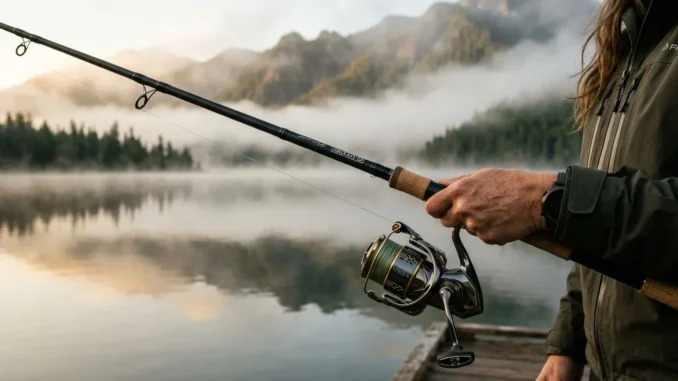
Stepping into the world of fishing can feel a bit overwhelming, especially when you start looking at all the gear. But honestly, choosing your first fishing rod doesn’t have to be complicated. Think of it like picking out the right tool for a job: you wouldn’t use a tiny screwdriver for a big bolt, right? The same goes for fishing. Your rod is your direct connection to the fish, and picking the right one can make all the difference between a frustrating tangle and a triumphant catch.
Here at Fish Hunter, we’re all about making fishing accessible, fun, and successful for everyone, from apartment dwellers dreaming of a weekend escape to seasoned anglers looking to refine their setup. I’ve spent over two decades figuring out what works (and what definitely doesn’t!) on lakes, rivers, and piers. Let me tell you, a good rod isn’t just about catching fish; it’s about enjoying the whole experience. So, let’s break down how to choose the perfect fishing rod for your next adventure without breaking the bank or your brain!
Understanding the Basics: Rod Length, Action, and Power
Before we dive into specific recommendations, let’s demystify three crucial terms you’ll hear when talking about fishing rods: length, action, and power. These aren’t just fancy words; they describe how a rod behaves and what it’s best suited for. Understanding them is key to making an informed choice.
Rod Length Explained: How Long Should It Be?
Rod length is pretty straightforward – it’s the total length of the rod from tip to butt. But what does that mean for your fishing? Longer rods (7 feet and up) generally allow for longer casts, which is great when you need to cover a lot of water from shore or a pier. They also offer more leverage, helping you control bigger fish. Shorter rods (under 6 feet) are excellent for accuracy, working in tight spots (like under overhanging trees), or when you’re fishing from a kayak or small boat where space is limited. For most beginners, a medium-length rod, around 6 to 7 feet, is a fantastic all-around choice. It offers a good balance of casting distance and accuracy, making it versatile for many fishing situations.
Rod Action: The Bend in the Road
Rod action refers to where on the rod it bends when pressure is applied to the tip. This is a critical factor influencing how a rod feels and performs.
- Fast action: Bends mostly at the tip. This gives you excellent sensitivity to feel subtle bites and provides quick, powerful hook sets. Great for lures that require precise control, like jigs or soft plastics.
- Moderate (or Medium) action: Bends in the top half of the rod. It offers a good balance between sensitivity and flexibility. It’s forgiving, making it easier to cast and handle a variety of baits, and helps keep fish hooked by absorbing sudden pulls.
- Slow action: Bends throughout the entire rod. These rods are very flexible, making them ideal for casting light baits a long distance and protecting light lines from breaking. They’re often used for panfish or fly fishing.
For beginners, a moderate or fast action rod is generally recommended. A moderate action is more forgiving for casting, while a fast action provides better feel for bites, which is really encouraging when you’re starting out.
Rod Power (or Weight): How Much Muscle Does It Have?
Rod power (sometimes called “rod weight”) describes how much force it takes to bend the rod. It’s about the rod’s lifting strength and its ability to handle different line weights and lure sizes.
- Ultralight/Light: Designed for very small fish like panfish (bluegill, crappie) and trout, using light lines (2-6 lb) and tiny lures.
- Medium-Light/Medium: The sweet spot for many freshwater species like bass, perch, and smaller catfish. Handles 6-12 lb line and a wide range of lures. This is often the best choice for a versatile beginner setup.
- Medium-Heavy/Heavy: For bigger, stronger fish like pike, larger bass, catfish, or many saltwater species. Paired with heavier lines (15-30+ lb) and larger baits.
- Extra Heavy: Reserved for serious big game fishing – think musky, large saltwater species, or deep-sea monsters.
When you’re just starting, a medium power rod is your best bet. It’s versatile enough to handle most common freshwater fish and even some smaller inshore saltwater species without feeling like you’re fighting a toothpick or a telephone pole.
Matching Your Rod to Your Fishing Style and Target Species
Now that you know the lingo, let’s talk about putting it into practice. Your ideal rod setup largely depends on what you want to catch and where you plan to fish. Are you targeting big, feisty bass in a local lake, or delicate panfish in a quiet pond? Are you hitting the pier for snapper, or a river for trout?
The All-Around Starter Setup: Your First Go-To Rod
If you’re a complete beginner and want one rod that can do a little bit of everything, here’s my top recommendation: a 6 to 7 foot medium power, moderate-fast action spinning rod. This setup is incredibly versatile. You can cast lighter lures for bass, drop a worm for catfish, or even try some inshore saltwater fishing with it. Pair it with a 2500-3000 size spinning reel and 8-10 lb monofilament line, and you’re ready for action.
For example, imagine this situation: You’re heading to a local park lake this weekend. You don’t know exactly what’s biting, but you’re hoping for anything from bass to sunfish. A 6’6″ medium power, moderate-fast action spinning rod is perfect. It’s long enough to cast a decent distance from shore, sensitive enough to feel a bass nibble on a worm, and strong enough to handle a feisty 2-pounder. If you had an ultralight rod, that bass might snap your line. If you had a heavy rod, you wouldn’t feel the smaller fish at all. The medium setup hits that sweet spot.
Targeting Specific Species: Stepping Up Your Game
- Largemouth Bass & Smallmouth Bass: For these popular freshwater fighters, a 6’6″ to 7′ medium-heavy power, fast action rod is fantastic for jigs and soft plastics, giving you the sensitivity and backbone for a strong hookset. For crankbaits, a moderate action might be preferred for better lure action and fish retention.
- Trout & Panfish (Bluegill, Crappie): Go lighter! An ultralight or light power rod, 5’6″ to 6’6″ with a moderate action, is perfect. It makes even small fish feel like a trophy and protects light lines (4-6 lb test).
- Catfish: These bottom dwellers require more power. A 7′ medium-heavy to heavy power, moderate-fast action rod will handle heavier weights and bigger fish.
- Inshore Saltwater (Snapper, Redfish, Seatrout): For most common inshore species, a 7′ medium-heavy power, fast action spinning rod is excellent. It offers good casting distance and enough power to turn a strong fish away from structure.
Spinning vs. Baitcasting: What’s Right for You?
This is where the reel comes into play, but the rod is designed to work with one or the other. For beginners, the choice is overwhelmingly clear.
Spinning Combos: The Beginner’s Best Friend
A spinning rod is designed to be paired with a spinning reel, which hangs beneath the rod. This combination is incredibly user-friendly and forgiving, making it the go-to choice for anyone starting out. Spinning reels are easy to cast, less prone to tangles (though they can happen!), and versatile for a wide range of lures and baits. Almost all the recommendations above for beginners are for spinning setups. They’re affordable, reliable, and get the job done with minimal fuss. I really can’t recommend them enough for your first rod and reel combo.
Baitcasting Combos: For the Next Level
Baitcasting rods are designed for baitcasting reels, which sit on top of the rod. These setups offer more precision, control, and power for experienced anglers, especially when using heavier lures or targeting very large fish. However, baitcasters have a steeper learning curve and are notorious for “backlashes” – nasty tangles of line that can ruin a fishing trip for a beginner. My advice? Start with a spinning setup, master the basics, and then maybe explore baitcasting down the road if you feel the urge to specialize.
Budget-Friendly Rods and Beginner Combos
You absolutely do not need to spend a fortune to get a great fishing rod. There are fantastic options out there that are perfect for beginners and won’t break the bank. Many brands offer “combos” – a rod and reel packaged together – which are often the most economical way to start.
Look for reputable brands like Ugly Stik, Shimano, Daiwa, or Penn. An Ugly Stik GX2 spinning combo (often available in 6’6″ medium power) is a legendary choice for its durability and versatility, usually costing well under $100. Other brands offer similar quality at competitive prices. My personal experience tells me that a good combo around the $50-$100 mark will serve you incredibly well for years.
When you’re choosing your first rod, remember that the goal is to get out there and fish, not to have the most expensive gear. A simple, reliable setup will bring you far more joy than an overpriced one that sits in the closet.
Common Mistakes to Avoid When Choosing Your First Rod
Even with all this information, it’s easy to fall into some common traps. Let me add something here based on countless fishing trips:
- Buying Too Heavy or Too Light: Don’t get an extra-heavy rod because you “might” catch a monster. You’ll miss most of the smaller bites and have no fun. Conversely, don’t get an ultralight rod if you’re seriously targeting big bass; you’ll likely snap it. Stick with that versatile medium power.
- Ignoring Rod Action: A super fast action rod can be unforgiving for new casters, leading to more missed hooksets or dropped fish. A moderate-fast action gives you more room to learn.
- Overspending: Resist the urge to buy the most expensive rod you see. Quality beginner setups are affordable. Save your money for gas to get to the fishing spot and maybe some extra bait!
- Not Considering Your Local Waters: If you only have small creeks nearby, a 9-foot surf rod makes no sense. If you’re hitting the ocean pier, a 5-foot ultralight won’t cut it. Think about the fish and environment you’ll actually be fishing in.
Your Weekend Fishing Rod Checklist!
So, what should you do this weekend? Head to your local sporting goods store or browse online with confidence! Here’s your quick checklist:
- Identify your target fish: Are you hoping for bass, catfish, trout, or something else?
- Consider your fishing location: Lake, river, pier, bank, boat?
- Look for a spinning combo: This is the easiest start.
- Aim for a 6 to 7 foot rod: Great all-around length.
- Choose medium power: Versatile for most common fish.
- Select moderate-fast action: Good balance of sensitivity and forgiveness.
- Set a budget: Expect to spend $50-$100 for a solid beginner combo.
Once you have your rod, remember to pick up some 6-12 lb monofilament line and learn a simple knot like the Improved Clinch Knot for tying on lures or hooks. Fish Hunter has plenty of guides on those topics too!
Choosing your first fishing rod is an exciting step on your angling journey. It’s about finding that balance between what feels good in your hands, what’s appropriate for the fish you’re chasing, and what fits your budget. Don’t overthink it. Grab that recommended medium spinning combo, get out there, cast a line, and feel the pure joy of the tug. That’s what fishing is all about, and with the right rod, you’re well on your way to countless relaxing and rewarding trips. Happy fishing!
Leave a Reply