
Your First Redfish: Simple Steps to Saltwater Thrills
Ever dreamed of battling a powerful fish that pulls like a freight train, all while enjoying the scenic beauty of coastal waters? Well, my friend, it’s time to meet the Redfish! Also known as Red Drum or Spot-tail Bass, these incredible saltwater fighters are a fantastic target for beginners because they’re abundant, aggressive, and often found in easy-to-reach inshore areas. As a seasoned urban angler who’s chased these beauties for decades, I can tell you that catching your first Redfish is an unforgettable experience – and it’s much simpler than you might think. Let’s get you hooked!
For those living near the coast, whether in an apartment or a house, Redfish offer an accessible escape into the great outdoors. They patrol estuaries, tidal creeks, and shallow flats, making them ideal for shore-based fishing, pier fishing, or even small boat adventures. This guide from Fish Hunter will break down everything you need to know, from the right gear to simple tactics, ensuring your first Redfish trip is a smashing success.
Understanding Your Target: The Mighty Redfish
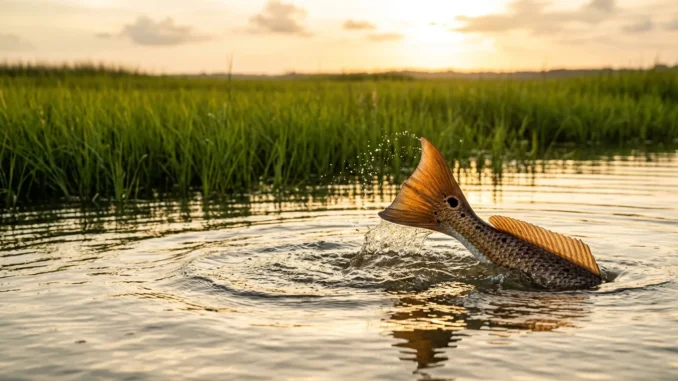
Before we even talk gear, let’s get to know the star of the show: the Redfish. These fish are easily recognizable by their coppery-bronze color and the distinctive black spot (or spots!) near the base of their tail. They are typically found in inshore waters, meaning the calmer, shallower areas close to the coast, like bays, sounds, and estuaries. They love structure – think oyster beds, mangrove roots, grassy flats, and dock pilings – places where they can ambush prey.
Redfish are opportunistic feeders, meaning they’ll eat just about anything that looks like a meal. Their diet consists primarily of crabs, shrimp, and small baitfish, which is great news for us because these are readily available baits! They often feed along the bottom, using their downward-facing mouths to root out crustaceans, but they’re not shy about chasing down a fleeing baitfish near the surface either. Understanding their habits is the first step to figuring out where and how to present your bait.
Gear Up Right: Your Beginner Redfish Kit
You don’t need to break the bank to get started with Redfish. A reliable, budget-friendly setup will serve you well. Here’s what I recommend to get you started:
Rod & Reel Combo: Power and Versatility
For Redfish, especially for beginners, a spinning rod and reel combo is your best friend. A spinning reel is the most common type of fishing reel, known for its ease of use, especially for casting lighter baits and lures. It sits underneath the rod and has an open-faced spool where the line is wound.
Look for a 7-foot medium-heavy action spinning rod paired with a 3000 to 4000 size spinning reel. A “medium-heavy” action rod means it has enough backbone to handle a fighting Redfish (which can range from 2-pound “rat reds” to 20-pound-plus “bull reds”) but still offers enough flexibility for casting. The 3000-4000 size reel balances line capacity with retrieve power, making it perfect for these inshore fighters.
Line & Leader: The Connection to Your Catch
This is where your fish-fighting power really comes into play. I always recommend using braided line as your main line. Unlike traditional monofilament line (which is a single strand of nylon, stretchy and less sensitive), braided line consists of multiple synthetic fibers woven together, making it incredibly strong for its diameter, very sensitive (you’ll feel every nibble!), and it casts a mile. A 10-15 lb test braided line is ideal for Redfish.
However, braid is highly visible in clear water and doesn’t stand up well to abrasion, so you’ll need a leader. A leader is a short section of line (usually 18-36 inches) tied to the end of your main line, and then your hook or lure is tied to the leader. For Redfish, a 20-30 lb test fluorocarbon leader is perfect. Fluorocarbon is nearly invisible underwater, much more abrasion-resistant than braid, and provides a little stretch for shock absorption during a fight.
Essential Terminal Tackle: Hooks, Weights, and Swivels
- Hooks: For live or cut bait, 1/0 to 3/0 circle hooks are a must. A circle hook is designed to hook the fish in the corner of its mouth when it swims away, making it incredibly effective for protecting the fish (fewer gut hooks) and ensuring a solid hook-up without needing to “set” the hook aggressively.
- Weights (Sinkers): A few 1/4 to 1/2 ounce egg sinkers or pyramid sinkers will cover most situations. These help get your bait down to the strike zone, especially in current.
- Swivels: Small barrel swivels (size 7-10) are useful for preventing line twist, especially when using a leader.
Must-Have Baits & Lures: Redfish Favorites
Honestly, Redfish aren’t picky, which is great for beginners!
- Live Bait: Hands down, live shrimp are king. Redfish absolutely love them. Live mullet, pilchards, or mud minnows are also fantastic if you can catch them or find them at a bait shop.
- Cut Bait: Chunks of fresh mullet, pilchard, or even crab are incredibly effective. The scent trail they leave drives Redfish wild.
- Soft Plastics: For lures, a 3-4 inch soft plastic paddle tail or jerk shad, rigged on a 1/8 to 1/4 ounce jig head, is deadly. A soft plastic is a flexible, artificial lure molded to imitate baitfish or shrimp. A jig head is a weighted hook with a molded lead head, designed to give soft plastic lures a natural swimming action when retrieved. Popular colors include Gulp! Shrimp in natural or chartreuse, or Z-Man MinnowZ.
Finding the Fish: Redfish Hotspots and Tactics
You’ve got the gear, now let’s find some Redfish! The key to success is understanding where Redfish like to hang out and how to present your bait naturally.
Where to Cast: Prime Redfish Real Estate
Redfish love structure and areas with moving water that brings them food. Focus your efforts around:
- Docks and Piers: The pilings provide cover and often hold baitfish. Cast parallel to or underneath the structures.
- Mangrove Edges: In warmer climates, mangroves are Redfish magnets. They offer shade, protection, and plenty of food.
- Oyster Beds: These rough bottom structures are prime feeding grounds for crabs and shrimp, which Redfish feast on.
- Grass Flats: Especially during high tide, Redfish will cruise these shallow, grassy areas looking for shrimp and small crabs.
- Tidal Creeks and Estuaries: Moving water concentrates bait and makes Redfish actively feed. Fish the incoming and outgoing tides.
Reading the Water: Look for Clues
Always keep an eye on the water for signs of fish. Look for “tailing reds” – a Redfish with its head down in the grass, rooting for food, with its tail sticking out of the water. This is an unmistakable sign! Also, watch for schools of baitfish getting spooked or birds diving, which often indicates predators like Redfish are nearby. For example, imagine this situation: You’re wading a calm flat on an incoming tide, and suddenly you see a disturbance ahead – a flash of bronze and a distinct black spot breaking the surface. That’s a tailing redfish, and it’s a golden opportunity for a precise cast.
Simple Fishing Techniques: Keep it Natural
My advice? Keep it simple. Whether you’re using bait or lures, the goal is to make it look like an easy meal.
- Bottom Fishing with Bait: Rig your circle hook with live or cut bait. If using an egg sinker, thread it onto your main line *before* tying on a swivel, then tie your leader to the other end of the swivel, and your hook to the leader. This creates a “Carolina Rig” which allows the fish to pick up the bait without feeling the weight immediately. Cast it out and let it sit. Redfish often pick up bait very subtly at first.
- Drifting with Live Bait: If there’s a gentle current, try drifting a live shrimp or small baitfish under a popping cork. A popping cork creates a “chugging” sound that mimics feeding fish, attracting Redfish.
- Slow Retrieve with Lures: For soft plastics on a jig head, cast it out and let it sink to the bottom. Then, slowly reel it in with a series of short hops and pauses. This imitates a shrimp or small baitfish scurrying along the bottom.
Knot It Right: Essential Knots for Redfish
So far we covered gear and where to find them. Now let’s get to the really critical point: your knots. A strong knot is the only thing connecting you to that powerful Redfish. Don’t skimp here!
The Improved Clinch Knot: For Hooks and Lures
This is your go-to knot for tying your hook or lure directly to your fluorocarbon leader. It’s strong and relatively easy to learn. Pass the line through the eye of the hook, wrap it around the standing line 5-7 times, pass the tag end back through the first loop created above the eye, then back through the large loop you just made. Moisten and pull tight. Practice this one at home until you can tie it in your sleep!
The Uni Knot: For Leader-to-Main Line Connections
When connecting your braided main line to your fluorocarbon leader, a strong, slim knot is essential for smooth casting and reliable strength. The Uni Knot, or a Double Uni Knot (tying two Uni Knots together), is perfect for this. It’s incredibly strong and passes through rod guides easily. I believe the Double Uni Knot is one of the most reliable leader-to-main line connections out there for this type of fishing.
Common Beginner Blunders & How to Avoid Them
Everyone makes mistakes, especially when starting out. Here are a few common ones to watch out for:
- Ignoring Tides: Redfish are heavily influenced by tidal movement. Fishing during a slack tide (when the water isn’t moving) can be slow. Focus on the two hours before and after high or low tide when the current is moving.
- Over-Complicating Your Rig: Beginners often add too many swivels, snaps, and beads. Keep it simple: hook, leader, weight, main line.
- Aggressive Hook Sets with Circle Hooks: Remember, circle hooks are designed to set themselves. If you feel a bite, just slowly reel until the line tightens and the rod bends. Don’t yank!
- Not Checking Your Line: After every few casts or after landing a fish, run your fingers down your leader and main line. Look for nicks or abrasions, especially near the hook. Retie if you see any damage.
Sustainable Success: Protecting Our Fisheries
As passionate anglers, we have a responsibility to protect the resources we enjoy. Catching Redfish is a blast, but let’s ensure future generations can enjoy it too.
- Catch and Release: Many anglers, myself included, practice catch and release for larger “bull reds” and often for slot-sized fish too. If you’re going to release a fish, handle it gently, keep it in the water as much as possible, and use barbless hooks (or crimp down the barb on your regular hooks) for easier removal.
- Know Your Limits: Every state has specific regulations for Redfish regarding size limits (the “slot” size) and bag limits (how many you can keep). Always check your local regulations before heading out.
- Leave No Trace: Pack out everything you pack in. Let’s keep our beautiful coastlines clean.
Quick “What to Do This Weekend” Takeaway
Grab a 7ft medium-heavy spinning combo with 15lb braid and a 25lb fluorocarbon leader. Buy some 2/0 circle hooks and a pack of live shrimp. Find a local pier or tidal creek with oyster beds, fish the incoming tide, and cast that shrimp on a Carolina rig. Keep it simple, watch for bites, and get ready for a fight!
There you have it, future Redfish whisperer! This playbook is your ticket to unlocking the excitement of inshore saltwater fishing. Redfish are truly one of the most rewarding species to target, offering thrilling battles and incredible memories. Don’t be intimidated; start simple, learn as you go, and most importantly, have fun out there. The pull of a Redfish on the end of your line is a feeling you won’t soon forget. Now get out there and chase that spot-tail magic!
Leave a Reply