
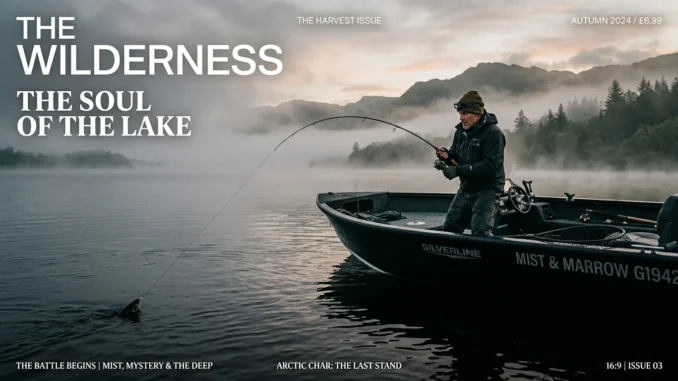
Introduction to Bottom Fishing
Bottom fishing is a timeless technique that has been used by anglers for centuries. It involves fishing on or near the bottom of a body of water, where fish often feed and seek shelter. As a seasoned angler, I can attest that bottom fishing can be a highly effective way to catch a variety of species, from panfish to largemouth bass. But what makes bottom fishing so appealing? For one, it allows anglers to target specific species that are known to inhabit the bottom of a lake or river. Additionally, bottom fishing can be a great way to catch fish in areas with structure, such as rocks, weed beds, or sunken logs.
For example, imagine this situation: you’re fishing on a calm lake on a summer morning, and you’ve cast your line into a weed bed. As you wait for a bite, you feel a gentle tug on the line, and suddenly, you’re reeling in a beautiful largemouth bass. This is the thrill of bottom fishing, and with the right techniques and gear, you can experience it for yourself.
Choosing the Right Gear
When it comes to bottom fishing, the right gear can make all the difference. You’ll need a sturdy rod and reel that can handle the weight and struggle of a large fish. I recommend using a medium to heavy action spinning rod paired with a 2500-3000 size reel. This will give you the power and sensitivity you need to detect bites and reel in your catch. You’ll also need a good quality line, such as 10-20 lb monofilament or braided line, which can withstand the abrasion and pressure of fishing on the bottom.
In addition to your rod and reel, you’ll need to choose the right bait or lure for the species you’re targeting. For bottom fishing, live baits such as worms, minnows, or crickets are often effective, as they can be easily presented on the bottom. You can also use artificial lures, such as jigs or soft plastics, which can be rigged to fish on the bottom.
Techniques for Bottom Fishing
Once you have your gear and bait, it’s time to start fishing. There are several techniques you can use to bottom fish, depending on the species and the water you’re fishing in. One of the most common techniques is to use a bottom bouncer, which is a weight that allows you to fish your bait or lure on the bottom without getting hung up on rocks or weeds. You can also use a slip sinker, which allows your line to slide through the sinker and fish your bait on the bottom.
Another technique is to use a dropper rig, which allows you to fish multiple baits or lures at different depths. This can be especially effective in areas with structure, such as rocks or weed beds, where fish may be feeding on multiple levels. To be fair, bottom fishing can be a bit tricky, especially for beginners. But with practice and patience, you can master the techniques and start catching fish like a pro.
Tips for Success
So far we’ve covered the basics of bottom fishing, but now let’s get to the really critical point: tips for success. One of the most important things to remember is to fish slowly and patiently. Bottom fishing is often a waiting game, and you need to be prepared to spend time waiting for a bite. You should also pay attention to your surroundings, including the water depth, current, and structure, as these can all affect the behavior and location of the fish.
But what would you do in this situation: you’re fishing on a lake, and you’re not getting any bites. You’ve tried different baits and lures, but nothing seems to be working. Honestly, this is a common problem, and it can be frustrating. However, the key is to stay calm and adjust your strategy. Try changing your location, depth, or presentation, and see if that makes a difference. You can also try using different types of bait or lures, or experimenting with different retrieval speeds.
Common Mistakes to Avoid
As with any type of fishing, there are common mistakes to avoid when bottom fishing. One of the most common mistakes is to use too much weight, which can result in your bait or lure being presented too deeply or getting hung up on the bottom. You should also avoid using too much line, as this can result in your bait or lure being presented too far away from the structure or target area.
Another mistake is to not pay attention to the water conditions, including the depth, current, and temperature. These can all affect the behavior and location of the fish, and failing to take them into account can result in a disappointing fishing trip. Based on my experience, I believe that paying attention to the water conditions is crucial to success in bottom fishing.
Conclusion and Next Steps
In conclusion, bottom fishing is a highly effective and enjoyable way to catch a variety of species. By choosing the right gear, using the right techniques, and paying attention to your surroundings, you can increase your chances of success and have a great time on the water. So what to do this weekend? Why not try your hand at bottom fishing? With a little practice and patience, you can master the art of bottom fishing and start catching fish like a pro.
Let me add something here: don’t be discouraged if you don’t catch anything right away. Bottom fishing can be a bit tricky, and it may take some time to get the hang of it. But with persistence and practice, you can develop the skills and knowledge you need to succeed. And when you do, you’ll be hooked (no pun intended!) on the thrill and challenge of bottom fishing.
Leave a Reply