
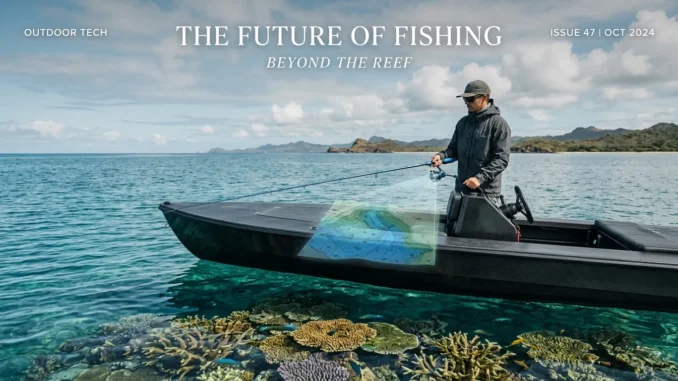
Ever feel like fishing is stuck in the past? Think again! The world of angling is buzzing with incredible innovations, making it not only easier and more enjoyable for us busy anglers but also significantly kinder to our precious waterways. As someone who’s spent over two decades chasing fish in every imaginable spot, I’ve seen gear evolve from basic setups to incredibly sophisticated tools. And let me tell you, the future is looking bright for anyone who wants to cast a line, whether you’re new to the game or an experienced hand.
Gone are the days when you needed a boatload of specialized knowledge and expensive equipment just to stand a chance. Today’s advancements are leveling the playing field, making fishing more accessible, efficient, and dare I say, smarter. We’re talking about everything from high-tech electronics that practically tell you where the fish are hiding, to revolutionary materials that are both stronger and gentler on the environment. At Fish Hunter, we’re all about making fishing simple, fun, and successful, and these innovations are perfectly aligned with that mission. Let’s dive into what’s next for your tackle box.
Smart Tech for Smarter Anglers: Your Digital Fishing Buddy
One of the biggest game-changers I’ve witnessed is the integration of smart technology into our fishing gear. This isn’t just about fancy gadgets; it’s about providing real-time data and insights that can dramatically improve your catch rate and enjoyment. Imagine having an extra pair of eyes under the water, or a personal guide whispering exactly where to cast. This is the reality of modern fishing tech.
Portable Sonar and Castable Fish Finders
For beginners and seasoned urban anglers alike, devices like portable sonar and castable fish finders are a revelation. These small, often smartphone-integrated gadgets allow you to scan the water for fish and underwater structures without needing a boat. You simply cast them out, and they send data wirelessly to your phone or tablet, showing you depth, water temperature, and, most importantly, where the fish are congregating. Models like the Deeper PRO or Garmin Striker Cast are excellent examples, often fitting right into your tackle bag and costing less than a weekend fishing trip.
This tech is particularly beneficial for those fishing from shore, a pier, or a kayak. It removes a lot of the guesswork, helping you understand the lake or river bottom. For example, imagine casting out your castable fish finder, and suddenly your phone screen lights up, showing a school of bass hiding near a submerged log you never knew was there. That’s actionable intelligence right in your hand! Honestly, these tools are making fishing less about luck and more about strategy, which is incredibly satisfying.
GPS and Mapping Integration
Beyond finding fish, modern technology helps you navigate and remember your best spots. Many fish finders and even dedicated fishing apps now come with integrated GPS. This allows you to mark your favorite fishing spots, track your movements, and even map out contours of the lake bottom. Some premium units offer detailed charts with depth lines, submerged features, and navigation aids.
What would you do in a situation where you caught your personal best bass but can’t remember the exact spot a few months later? GPS integration solves this. You can simply mark that “hot spot” on your device or app, and return to it with precision next time. This feature is a fantastic time-saver, especially for those of us who only get a few hours on the water each weekend. It transforms your phone into a powerful navigation and planning tool, helping you maximize your time on the water.
Lighter, Stronger, Greener: The Materials Revolution
While smart tech gets a lot of buzz, quiet revolutions are happening in the very materials that make up our rods, reels, and lines. Manufacturers are constantly seeking ways to make gear lighter, more durable, and — crucially — more environmentally friendly. This means less fatigue for you, longer-lasting gear, and a healthier planet for the fish we love to chase.
Rods and Reels: Carbon Fiber and Bio-Based Plastics
The trend in rod manufacturing continues towards lighter, more sensitive blanks made from advanced carbon fiber composites. These materials offer incredible strength-to-weight ratios, allowing for rods that are feather-light yet incredibly powerful. This means you can cast further with less effort and feel even the subtlest bites, which is a huge advantage for beginners learning to detect strikes. For reels, while aluminum and graphite remain popular, we’re seeing more sustainable approaches with recycled and bio-based plastics being explored, reducing reliance on virgin materials.
From my experience, a lighter rod means less arm fatigue during a long day of casting, allowing you to enjoy your time on the water even more. A medium spinning rod around 6-7 feet made from modern composites, paired with a lightweight 2500-3000 size reel, is an absolute dream to fish with. These advancements aren’t just for pros; they make fishing more comfortable and accessible for everyone.
Lines and Lures: Biodegradable and Lead-Free Options
Here’s where the “greener” aspect really shines. Traditional fishing lines, often made of monofilament or fluorocarbon, can take hundreds of years to break down. However, innovations are bringing us biodegradable fishing lines that offer comparable performance but decompose much faster if lost in the water. Similarly, the move away from lead weights and jigs is gaining traction, with eco-friendly alternatives made from bismuth, steel, or tungsten becoming more commonplace. These alternatives are safer for wildlife that might accidentally ingest lost tackle.
We’re also seeing an increase in biodegradable soft plastics for lures. Imagine a worm or grub that, if snagged, eventually breaks down naturally, leaving no harmful residue. This is a significant step towards minimizing our ecological footprint. Using lead-free weights and experimenting with biodegradable fishing line isn’t just a trend; it’s a responsible choice that every angler should consider to protect our waters and the fish within them.
Precision & Efficiency: Gear That Catches More, Wastes Less
Beyond materials and electronics, new gear is being designed with precision and efficiency in mind, directly translating to more successful outings and less frustration. These innovations help you present your bait or lure more effectively, increasing your chances of a bite.
Automated and Assisted Casting/Retrieve Systems
While fully autonomous fishing might be a stretch (and where’s the fun in that?), we are seeing systems that assist with casting and retrieve. For instance, some reels now offer line counter features that precisely tell you how much line you have out, crucial for trolling or repeating a specific depth. Others have highly refined drag systems that make fighting bigger fish less stressful, preventing line breaks and ensuring a smoother retrieve. These aren’t just conveniences; they’re tools that help you master your presentation.
To be fair, fully automated casting isn’t for everyone, and it certainly takes some of the challenge out of it! But think about an assisted casting system for someone with limited mobility, or a reel that precisely measures your retrieve speed to mimic a wounded baitfish perfectly. These innovations open up fishing to a broader audience and offer new levels of precision for seasoned anglers. For Fish Hunter readers looking for a relaxing hobby, fewer tangles and smoother operation mean more enjoyment.
Specialized Lures and Baits: Hyper-Realistic and Biodegradable
Lure technology is constantly evolving. We’re seeing hyper-realistic swimbaits and crankbaits that mimic baitfish with astonishing accuracy, often incorporating advanced internal weighting systems for lifelike action. Beyond realism, the focus on biodegradable soft plastics, mentioned earlier, is a huge win. These lures provide the enticing action fish love without leaving a lasting environmental impact if lost.
My personal take is that while live bait (like a good old worm for bass or shrimp for saltwater species) will always have its place, these advanced lures are incredibly effective. You can get soft plastic lures that are scented, designed with incredible detail, and even infused with biodegradable materials. They are a fantastic alternative, allowing you to mimic a wide range of prey without the hassle of live bait. This blend of effectiveness and environmental responsibility is a hallmark of future gear.
Sustainability at the Forefront: Protecting Our Waters for Tomorrow
Ultimately, all these innovations, whether high-tech or material-based, are converging on one critical goal: making fishing more sustainable. As anglers, we are stewards of the environment, and the gear we choose plays a direct role in preserving our natural resources for future generations. The push for eco-friendly tackle isn’t just good PR; it’s essential for the health of our fisheries.
Catch and Release Innovations: Safer Handling
The practice of catch and release has become standard for many species, and new gear is designed to maximize a fish’s survival chances. Tools like specialized de-hookers, knotless landing nets (which are much gentler on fish scales and slime coats), and even fish-friendly measuring boards are becoming more common. Using barbless hooks is another simple yet effective practice that significantly reduces harm to fish.
For example, imagine this situation: you’ve just landed a beautiful trout, a fish you definitely want to release healthy. Having a rubberized, knotless landing net and a good pair of long-nose pliers for a quick, clean de-hook makes all the difference. These seemingly small details contribute massively to the fish’s well-being and demonstrate a commitment to responsible angling.
Waste Reduction and Recycling Programs
Beyond individual gear, the industry is also focusing on broader sustainability efforts. Companies are exploring recyclable packaging for lures and lines, and initiatives for recycling old fishing line (often collected at tackle shops) are gaining traction. Choosing durable gear that lasts longer also contributes to waste reduction, as you’re not constantly replacing broken items.
As responsible anglers, we should always strive to leave no trace. This means picking up any stray line, wrappers, or other debris we might bring to the water. Supporting brands that prioritize sustainability and participating in recycling programs for old line are easy ways to contribute. Remember, respecting size limits and adhering to local regulations are also crucial aspects of sustainable fishing.
Common Mistakes to Avoid
While embracing new gear is exciting, a common mistake is thinking you need *all* the latest tech to succeed. Start simple! Another error is ignoring the sustainability aspect; choosing cheaper, less eco-friendly options often has hidden costs for the environment. Don’t fall into the trap of buying gear just because it’s new; ensure it fits your fishing style and local waters, and always consider its environmental impact.
What to Do This Weekend
This weekend, why not explore some of these innovations? Check out a portable fish finder online or at your local tackle shop. Look for biodegradable soft plastics or lead-free weights. If you’re due for a new setup, consider a lightweight carbon fiber rod. Even better, make a conscious effort to use barbless hooks and practice careful catch and release. Every small step towards smarter, more sustainable fishing makes a difference, enhancing your enjoyment and protecting our precious resources for everyone.
The future of fishing gear isn’t just about catching more fish; it’s about making the entire experience better, from the moment you pack your bag to the peaceful release of your catch. These innovations are making fishing easier, more rewarding, and truly sustainable for every Fish Hunter out there. So, get out there, explore the new possibilities, and enjoy the water!
Leave a Reply