
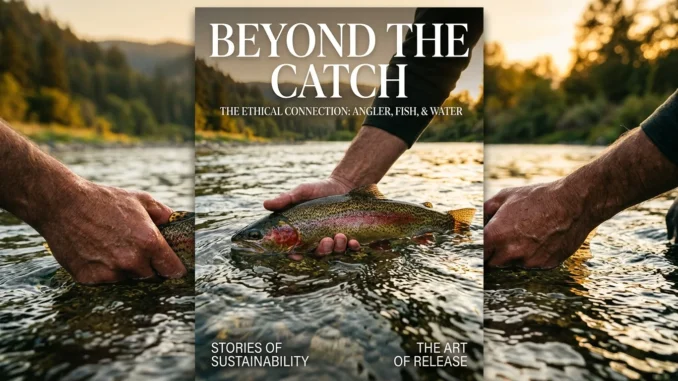
The Angler’s Responsibility: Beyond the Hook
You’ve done it! Your line just went taut, your rod bent, and after a thrilling fight, you’ve reeled in your first fish. That rush of adrenaline is fantastic, isn’t it? But what happens next is just as crucial, if not more so, than the catch itself. As anglers, we have a profound responsibility to treat every fish with respect, whether we plan to release it back to fight another day or bring it home for dinner. This isn’t just about rules; it’s about angler ethics and ensuring the health of our fisheries for generations to come. Trust me, after decades on the water, I’ve seen good and bad handling, and the difference is stark.
For many of us, fishing is a relaxing escape from the concrete jungle, a way to connect with nature. But that connection comes with a duty. Learning how to properly handle a fish, ethically and safely, is a cornerstone of responsible fishing. It minimizes stress on the fish, reduces injury, and ensures that if you release it, it has the best possible chance of survival. If you decide to keep it, proper handling ensures a quality meal. Let’s dive into the practical steps that will make you a more confident and conscientious fish hunter.
Gear Up: Your Essential Fish Handling Toolkit
Before your line even hits the water, having the right tools on hand is paramount for good fish handling. Think of it as preparing for success – and for the well-being of the fish. These aren’t expensive, complicated gadgets; they’re basic, practical items that make a huge difference.
First up, a good pair of needle-nose pliers or a dedicated de-hooker. These are non-negotiable. They allow you to quickly and safely remove hooks from a fish’s mouth without putting your fingers at risk or causing unnecessary damage to the fish. Trying to dig out a hook with your bare hands is a recipe for frustration, injury, and a stressed-out fish. Next, consider a soft, rubberized landing net. A net with thin, abrasive string can strip away a fish’s protective slime coat, leaving it vulnerable to disease. A rubberized net cradles the fish, preventing scale damage and keeping its protective layer intact. Many experienced anglers, myself included, rarely fish without one.
Finally, a measuring tape is essential for checking local size limits (we’ll talk more about regulations later). If you’re into photography, consider a small, waterproof camera. And, an often-overlooked but crucial tool: your wet hands! Always wet your hands before touching a fish. This prevents you from removing that vital slime coat, which is a fish’s first line of defense against bacteria and parasites. Honestly, it’s one of the simplest yet most effective things you can do for fish welfare.
The Moment of Truth: Handling Your Catch Safely (Catch & Release)
So, the fish is on the line. The fight is on. Your goal now is to land it as quickly and efficiently as possible to minimize its stress and exhaustion. A prolonged fight can deplete a fish’s energy, making it harder for it to recover after release. Once it’s near, use your soft landing net to gently scoop it up. Avoid dragging fish onto dry land or rocks, as this can severely injure them and remove their protective slime. This is particularly important for catch and release.
Once netted, keep the fish in the water as much as possible, especially if you’re releasing it. If you need to bring it out for de-hooking or a quick photo, do so quickly and support its entire body horizontally. Never hold a fish vertically by its jaw or tail, especially larger fish. Imagine holding a person by their chin; it puts immense, unnatural pressure on their spine and internal organs. For example, imagine a 5-pound largemouth bass – if you hold it vertically by the lip, all its weight is pulling down on its jaw and spine, which can cause serious, even fatal, damage. I’ve seen too many well-meaning beginners make this mistake, and it breaks my heart. Lip grippers, if used, should ideally support the fish horizontally or be paired with a hand under the belly.
Now for de-hooking. With wet hands and your pliers, gently but firmly grasp the hook shank and twist it out. If you’re using barbless hooks (hooks with no barb, or a crimped barb, making them easier to remove), this process is incredibly fast and causes minimal harm. If the hook is deep, don’t yank. Cut the line as close to the hook as possible; the hook will often rust out or be expelled by the fish. Once de-hooked, if the fish looks tired, hold it gently in the water, facing into the current. Move it back and forth slightly to push oxygen-rich water over its gills. When it kicks strongly and tries to swim away from your grasp, it’s ready for release. This revival process is critical for its survival, ensuring good fish welfare.
Keeping Your Catch: From Water to Table Responsibly
Sometimes, the goal is to bring home a delicious meal, and there’s nothing wrong with that! But just like catch and release, there’s a right way to do it. The first step is always to know your local fishing regulations. Every body of water has rules about what species you can keep, how many (bag limits), and what size they must be (size limits). Violating these rules isn’t just illegal; it’s detrimental to the sustainability of the fishery. Honestly, it’s the fastest way to get in trouble and lose your fishing privileges.
Once you’ve decided to keep a legal fish, the most humane way to dispatch it is quickly. A sharp, swift blow to the head or a quick knife through the brain (known as “iki jime” in some cultures) renders the fish unconscious instantly, minimizing suffering. This also helps preserve the quality of the meat. After dispatching, get the fish on ice as soon as possible. A cooler filled with ice is your best friend. This rapid cooling slows down spoilage and bacterial growth, resulting in much better-tasting fillets.
Some anglers also choose to bleed their fish immediately after dispatching. This involves cutting a gill arch or the main artery near the tail. Bleeding removes blood from the flesh, which can otherwise contribute to a “fishy” taste and shorter shelf life. While not strictly necessary for every species or situation, it’s a technique many experienced anglers, including myself, employ for species like tuna, salmon, or even larger snapper, that we plan to eat. It’s all part of ensuring a high-quality, responsibly harvested meal, aligning with sustainable fishing practices.
Common Mistakes and Your Angler’s Code of Conduct
As beginners, we all make mistakes. I certainly did! But learning from them is what makes us better anglers and better stewards of the environment. One of the most common pitfalls, as I mentioned, is improper fish handling – specifically, holding fish vertically by the jaw or gill plate without proper support. This applies to most freshwater species like largemouth bass, trout, and catfish, and many saltwater species too. Always support the fish’s full body weight horizontally. Another mistake is keeping fish out of water for too long, especially for photos. A quick snapshot is fine, but prioritize the fish’s well-being over the perfect picture.
Another big one is not knowing or following local regulations. Ignorance is not an excuse when it comes to bag limits, size limits, or protected species. Before you head out, a quick check online for your state or local fishing regulations is essential. It’s part of being a responsible angler. And finally, let’s talk about litter. Nothing ruins a beautiful fishing spot faster than discarded line, bait containers, or plastic bottles. Pack out everything you pack in. Leave no trace. It’s the ultimate sign of respect for nature and fellow anglers.
What to Do This Weekend: Your Ethical Angling Checklist
This weekend, as you plan your fishing trip, take a moment to prepare for the catch itself. Here’s your quick checklist:
- Gather Your Tools: Get those needle-nose pliers or a de-hooker, and a rubberized landing net.
- Wet Your Hands: Make it a habit before you touch any fish.
- Know the Rules: Quickly check your local regulations for the fish you’re targeting (size/bag limits).
- Practice Gentle Handling: If you catch a fish, support its body horizontally. Keep it in the water if releasing.
- Be Ready to Revive: If releasing, hold it in the current until it swims off strongly.
- Ice it Down (if keeping): Have a cooler with ice ready for a quick, humane dispatch and storage.
- Leave No Trace: Pack out all your trash.
Fishing is a privilege, and with that comes responsibility. By embracing ethical fishing practices, you’re not just improving the odds for the fish; you’re enhancing your own experience, becoming a more skilled and respected angler, and ensuring that our waters remain vibrant for years to come. So go out there, cast a line, and make every catch count – not just for you, but for the fish and the environment too. Happy fishing, fish hunter!
Leave a Reply