
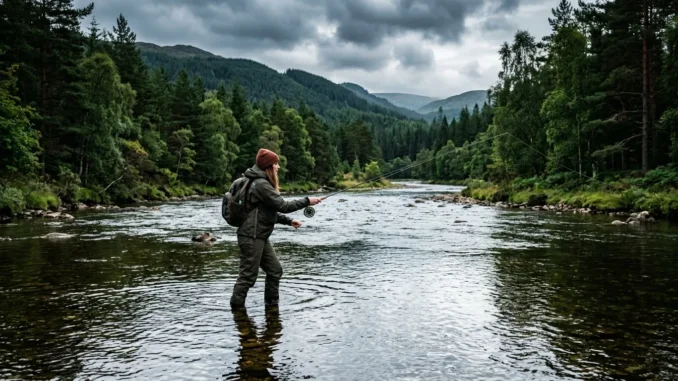
Introduction to Freshwater Fishing
Freshwater fishing is a great way to relax and enjoy the outdoors. As a beginner, it can be overwhelming to know where to start. But what would you do in this situation? Let’s break it down into simple, manageable parts. Based on my experience, I believe that with the right gear and techniques, anyone can become a successful freshwater angler.
For example, imagine this situation: you’re standing on the shore of a beautiful lake, rod in hand, waiting for a bite. But do you know what type of rod and reel to use? What kind of bait or lure will attract the fish you want to catch? Honestly, it’s not as complicated as it seems. Let’s start with the basics.
A spinning reel is a great choice for beginners, as it’s easy to use and maintain. Pair it with a 6-7 ft medium spinning rod, and you’re ready to go. The line type and strength will depend on the type of fish you’re after, but for beginners, 6-12 lb monofilament is a good starting point.
Choosing the Right Gear
Rods and Reels
When choosing a rod and reel, consider the type of fishing you’ll be doing most often. If you’re fishing in a small lake or stream, a lighter rod and reel will be sufficient. But if you’re after bigger fish, you’ll need a sturdier setup. I recommend a 2500-3000 size reel for beginners, as it’s versatile and can handle a variety of fish sizes.
Here are some key things to consider when choosing a rod and reel:
- Length and action of the rod
- Reel size and gear ratio
- Line type and strength
- Budget and brand quality
To be fair, there are many great brands and models out there, but as a beginner, it’s not necessary to break the bank. Look for a budget-friendly option that meets your needs, and don’t be afraid to ask for advice at your local tackle shop.
Fishing Techniques and Tips
Bait and Lure Selection
Now that we’ve covered the gear, let’s talk about bait and lures. The type of bait or lure you use will depend on the type of fish you’re after. For example, live worms are great for catching bass, while crankbaits are better for larger fish like pike. Honestly, it’s all about experimentation and finding what works best for you.
Here are some popular bait and lure options for freshwater fishing:
- Live bait: worms, minnows, crickets
- Soft plastics: curly tail grubs, plastic worms
- Hard lures: crankbaits, spinners, spoons
Let me add something here: it’s also important to consider the time of day and season when choosing your bait or lure. For example, in the spring, fish are more active and may be more attracted to moving lures like crankbaits.
Common Mistakes and Troubleshooting
As a beginner, it’s easy to make mistakes that can cost you fish. One common mistake is using the wrong knot. A Improved Clinch Knot is a great all-purpose knot that’s easy to tie and reliable. But what would you do in this situation: your line is tangled, and you’re not sure how to fix it? Honestly, it’s not the end of the world. Simply cut the line, and start again.
Here are some common mistakes to avoid:
- Using the wrong knot
- Not setting the hook properly
- Not handling the fish gently
So far we covered the basics of freshwater fishing, from gear to techniques. Now let’s get to the really critical point: catching fish and having fun.
Conclusion and Next Steps
Freshwater fishing is a great hobby that can be enjoyed by anyone. With the right gear and techniques, you can catch fish and have a great time. Remember to always handle the fish gently, and consider catch and release to help conserve fish populations. Honestly, it’s all about respect for the environment and the fish.
So, what to do this weekend? Grab your rod and reel, and head to your local lake or stream. Don’t be afraid to ask for advice or try new things. And most importantly, have fun. As I always say, fishing is not just about catching fish, it’s about the experience and the journey.
Leave a Reply