
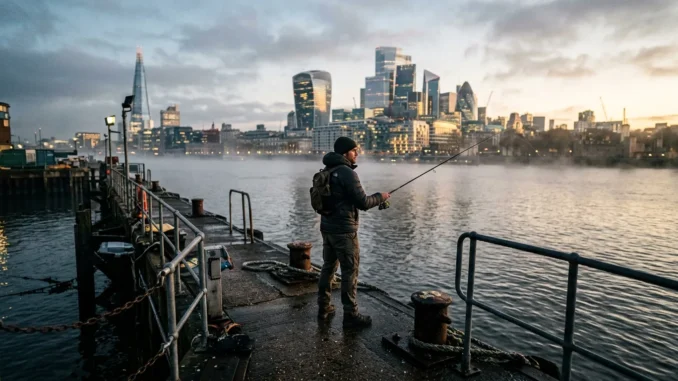
Living in the city often means trading sprawling backyards for compact living spaces. But let me tell you, that doesn’t mean you have to trade away the incredible peace and thrill of fishing! For over two decades, I’ve seen countless city dwellers discover the magic of wetting a line, escaping the concrete jungle without ever leaving town. If you’ve ever thought about dipping your toes into fishing as a relaxing hobby or a much-needed weekend escape, you’ve come to the right place. Forget complicated setups or expensive trips; we’re going to make this simple, fun, and successful.
Here at Fish Hunter, we believe anyone can be an angler. This guide is specifically for you – the apartment dweller, the office worker, the complete beginner – who wants to experience the joy of fishing without the fuss. We’ll cover everything from choosing your first rod to finding fish in your local park, ensuring your first cast is just the beginning of a lifelong adventure.
1. Why Fishing is Perfect for City Life: More Accessible Than You Think!
You might be thinking, “Fishing? Me? I live in an apartment building, not by a lake!” And honestly, I get it. But what if I told you that most urban areas are surprisingly rich with fishing opportunities? Ponds in city parks, local rivers, canals, public piers, and even small reservoirs are often teeming with fish just waiting to be caught.
The beauty of fishing as a hobby for busy people is its flexibility. You don’t need a boat, a truck, or a full weekend. A couple of hours after work, a Saturday morning, or even a lunch break near a local waterway can be enough to recharge. It’s a fantastic way to destress, connect with nature, and enjoy some quiet solitude right in your own community. Plus, the minimal gear required means it’s easy to store in a small apartment.
The Mental Escape: Beyond the Catch
Beyond the thrill of a tug on your line, fishing offers an unparalleled mental escape. It forces you to slow down, focus, and observe your surroundings. This mindful activity can be incredibly therapeutic, melting away the pressures of work and city noise. Based on my experience, it’s one of the best ways to hit the reset button, even if you just catch a few small panfish.
2. Your First Gear: Simple, Effective, and Budget-Friendly
One of the biggest misconceptions about fishing is that you need a ton of expensive gear. Absolutely not! For beginners, especially those with limited space and budget, a simple spinning combo is all you need. A spinning combo means the rod and reel are often sold together, perfectly matched, and ready to go.
Look for a 6 to 7-foot medium-action spinning rod paired with a 2500 to 3000 size spinning reel. A spinning reel is the most common and easiest type of reel for beginners to learn, sitting underneath the rod and having an open-faced spool. This setup is versatile enough for catching everything from small panfish to decent-sized bass or catfish in freshwater, and even smaller species in saltwater from a pier. Brands like Shimano (Sienna/FX series) or Daiwa (Revros/Crossfire series) offer excellent, affordable combos.
Line, Lures, and Essential Accessories
- Fishing Line: For your first setup, I recommend 6-10 lb monofilament line. Monofilament line is a single strand of nylon, known for its stretch, ease of tying knots, and affordability. It’s forgiving for beginners. Later, you might explore braided line, which is stronger and thinner, but mono is perfect to start.
- Hooks: A small pack of bait holder hooks (sizes 6, 4, 2) will cover most small to medium fish.
- Sinkers: A few split-shot sinkers (small, squeezable weights) and maybe a couple of egg sinkers (egg-shaped weights with a hole through the middle) to get your bait down.
- Bobbers/Floats: These are crucial for beginners! A bobber or float keeps your bait at a desired depth and signals bites when it dips or moves. Red and white plastic clip-on bobbers are ideal.
- Pliers/Forceps: Essential for safely removing hooks from fish.
- Small Tackle Box/Bag: A compact option to keep your hooks, sinkers, and tools organized. Remember, you’re not outfitting a fishing yacht!
- Bait: Live worms (nightcrawlers) are the universal fish magnet. For freshwater, corn or bread can also catch panfish and catfish. For saltwater, easily found shrimp (fresh from the grocery store or bait shop) is often deadly.
3. Finding Your Urban Oasis: Local Spots & What to Expect
Now that you have your basic gear, where do you go? The key is to start local. Open up a map application on your phone and look for public parks with ponds or lakes, accessible sections of rivers or canals, or even dedicated public fishing piers if you’re near the coast. Many cities actively stock their urban waters, making them perfect for beginners.
Check your local government’s parks and recreation website or state fishing regulations for information on public access points and common species. Always get a fishing license – it’s a small investment that supports fisheries conservation and keeps you legal. For example, imagine this situation: You find a beautiful pond in a city park. Don’t just cast anywhere! Look for areas with structure: lily pads, submerged logs, docks, or even shaded areas under bridges. Fish love to hide in these places.
Common Urban Catches & Simple Strategies
- Freshwater: You’ll most likely encounter Panfish (Bluegill, Crappie, Perch), Largemouth Bass, and Catfish. For panfish, a small hook with a piece of worm under a bobber is incredibly effective. For bass, try casting a simple soft plastic lure like a curly tail grub (a soft, flexible plastic bait with a wiggling tail) on a light jig head, slowly reeling it in. Catfish often bite on worms or stink bait fished on the bottom.
- Saltwater (Piers/Coastal areas): From piers, you might catch Croaker, Pinfish, Spot, or even smaller Snapper. A piece of fresh shrimp on a small hook with a bottom rig (a setup with a weight at the bottom and one or two hooks above it) is usually all you need. Cast it out and let it sit.
4. First Cast Confidence: Knots, Bait, and Sustainable Practices
Now for the really critical point: tying your line to your hook! Don’t fret; there are only a couple of knots you really need to know to start.
- The Improved Clinch Knot: This is your bread and butter for tying hooks, swivels, and lures directly to your line. It’s strong and relatively easy to learn. Practice it a few times at home before you head out.
- The Palomar Knot: A super strong and reliable knot, especially good for braided line, but excellent for mono too. It’s fantastic for tying on lures or heavier hooks.
There are plenty of clear video tutorials online for both. Just search “Improved Clinch Knot tutorial” or “Palomar Knot tutorial” on YouTube, and you’ll master them in no time.
Baiting Up & Casting Basics
For baiting a worm, simply thread it onto your hook, covering the barb (the small point that keeps the fish on the hook) completely. Don’t worry about making it look pretty; fish aren’t picky! For casting with a spinning reel, it’s a simple motion: open the bail (the metal arm that holds the line), hold the line with your index finger, bring the rod back to about 10 o’clock, then smoothly swing it forward, releasing the line with your finger as the rod points to your target. Practice in an open area without a hook first if you’re nervous.
Fishing Responsibly: Be a Fish Hunter with a Conscience
As urban anglers, it’s our responsibility to protect the waters we enjoy. Always practice catch and release if you don’t plan to eat your catch. This means carefully unhooking the fish and returning it to the water quickly. Consider using barbless hooks (or crimping down the barb on regular hooks with pliers) to make removal easier and less stressful for the fish. Always respect local size and bag limits – these rules are in place to ensure healthy fish populations for everyone. And, of course, leave no trace: pack out everything you pack in, including any discarded fishing line.
5. Common Beginner Mistakes & Your Weekend Action Plan
Every angler, even those with 20+ years under their belt, started somewhere. Here are a few common pitfalls to avoid:
- Overthinking the Gear: Don’t buy the most expensive stuff or feel overwhelmed by choices. Stick to the simple combo we discussed.
- Forgetting the License: It’s easy to overlook, but crucial. Get it online before you go.
- Not Checking Regulations: Different waters have different rules (species, size, catch limits, open seasons). A quick online search for your specific location is essential.
- Impatience: Fishing takes patience. Some days are slow, others are amazing. Enjoy the process, the quiet, and the outdoors.
- Ignoring the Weather: Dress appropriately, bring water, and don’t fish in dangerous conditions.
What to Do This Weekend: Your First Fishing Adventure!
Alright, aspiring angler, here’s your actionable plan to go from city couch to first catch this weekend:
- Get Your License: Head to your state’s wildlife or fish and game website and purchase your fishing license.
- Grab Your Gear: Visit a local sporting goods store. Ask for a 6’6″ medium spinning rod and 2500-size reel combo (like a Shimano Sienna). Pick up 8lb monofilament line, a small pack of #6 and #4 hooks, split shot sinkers, a couple of bobbers, and a cheap pair of pliers.
- Find Your Spot: Use your phone map to locate the nearest public park with a pond or an accessible riverbank/pier. Check its fishing regulations online.
- Bait Up: Stop at a bait shop or even a local convenience store for a container of live nightcrawlers (worms).
- Go Fish! Tie on a hook with an Improved Clinch Knot, add a split shot a foot or so above it, then clip on a bobber. Thread a worm, cast it out, and relax. Watch that bobber!
Honestly, it’s that simple to get started. Don’t worry about being an expert on day one. Fishing is a journey, not a destination. The most important thing is to get out there, enjoy the peace, and experience the thrill of a bite. You’ll be surprised how quickly you pick it up, and how much a few hours by the water can improve your week. Tight lines, my friend, and welcome to the Fish Hunter family!
Leave a Reply