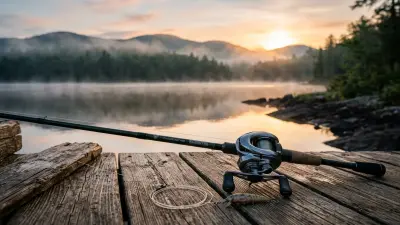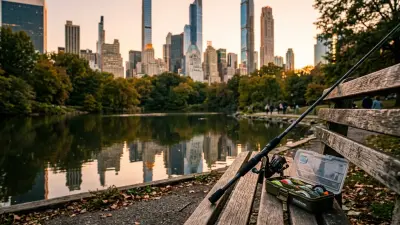
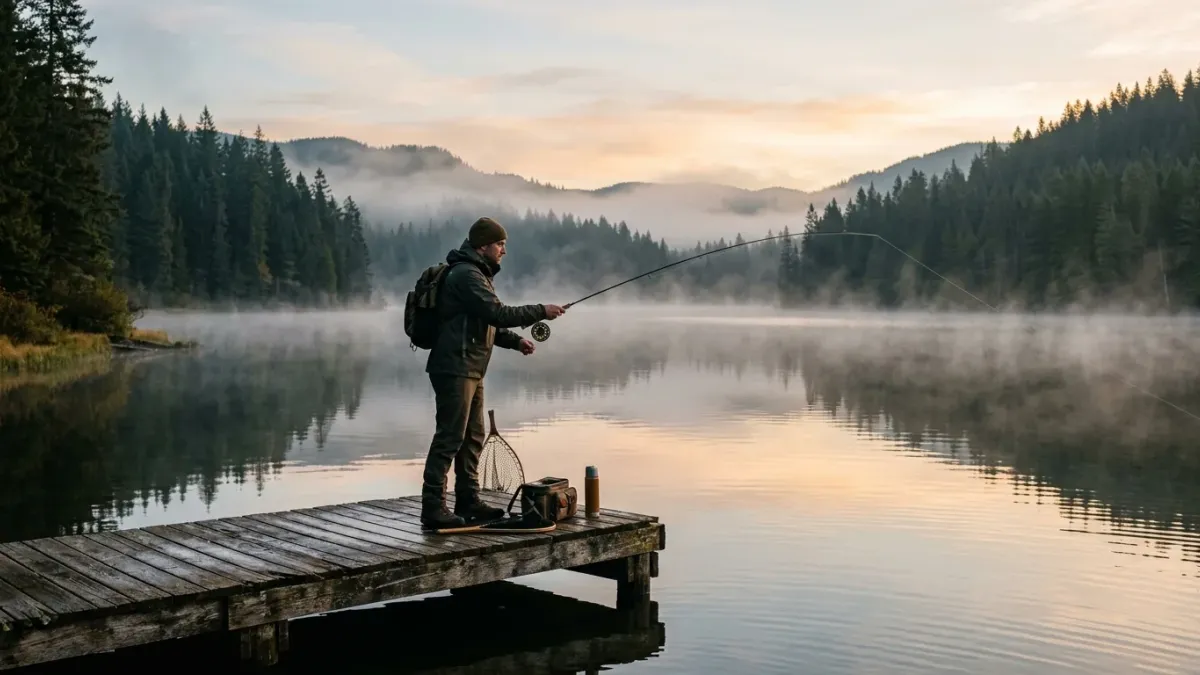
There's something incredibly satisfying about fishing from the bank, a pier, or a dock. It's accessible, relaxing, and doesn't require a boat or a hefty investment in specialized gear. Whether you're an apartment dweller seeking a peaceful escape or an office worker longing for a weekend outdoor adventure, bank fishing offers a direct path to the water and the thrill of the catch. Let's dive into how you can maximize your success without any unnecessary fuss.
Setting Up for Success: Your Essential Bank Fishing Gear
You don't need an arsenal of expensive equipment to catch fish from shore. In fact, a simple, well-chosen setup is often all it takes. My philosophy has always been to keep it simple, effective, and budget-friendly, especially when starting out.
The Right Rod & Reel Combo
For most bank fishing scenarios, a spinning rod and reel combo is your best friend. A spinning reel, for those unfamiliar, is designed for ease of use, making it perfect for beginners. The spool is fixed, and the line comes off in coils, allowing for smooth, long casts with lighter lures or baits. You literally just open the bail, hold the line, cast, and close the bail. Simple as that!
I highly recommend a 6 to 7-foot medium action spinning rod paired with a 2500 to 3000 size reel. This setup is incredibly versatile. It's long enough to cast a good distance, but not so long it becomes unwieldy in tighter spaces around trees or fences. A medium action rod offers a good balance of sensitivity for detecting bites and backbone for fighting fish. A 2500-3000 size reel holds enough line for most situations and has a smooth enough drag system to handle common freshwater species like Largemouth Bass, Trout, and Catfish, or in saltwater, things like Snapper, Perch, and smaller Redfish. For budget-friendly options, look for combos from brands like Ugly Stik (their GX2 series is legendary for durability) or Penn Fierce III, which offer great value.
Line & Tackle Basics
Choosing the right fishing line is crucial. For beginners, I often suggest starting with monofilament line (often just called "mono"). It's easy to tie knots with, has good stretch (which can be forgiving when fighting fish), and is relatively inexpensive. A good starting point is 6 to 12 lb test monofilament for general freshwater fishing. If you're targeting bigger fish or fishing in saltwater where abrasion against structure is common, consider upgrading to 10 to 20 lb braided line. Braided line is super strong for its diameter and has no stretch, offering fantastic sensitivity. However, it’s best to tie a short piece of monofilament or fluorocarbon as a "leader" to the end of your braid, as braid is very visible in clear water.
Your tackle box doesn't need to be huge. Focus on essentials: a variety of hooks (sizes 4-8 for freshwater, 1/0-3/0 for saltwater), split-shot sinkers (small weights that pinch onto your line), egg sinkers (weights with a hole through the middle, good for bottom fishing), a few bobbers (to suspend your bait), barrel swivels (to prevent line twist), a pair of fishing pliers, and line clippers. This basic kit will cover most bank fishing scenarios. Honestly, you'd be surprised how much you can catch with just a hook, a sinker, and a worm!
| Line Type | Pros | Cons | Best For |
|---|---|---|---|
| Monofilament | Easy to tie, good stretch, low cost, decent abrasion resistance. | Higher visibility, more memory (coils), less sensitive. | Beginners, general purpose, topwater, live bait. |
| Braided | Extremely strong, no stretch (high sensitivity), thin diameter. | More visible, harder to tie, can dig into reel spool. | Heavy cover, deep water, lures, connecting to leaders. |
| Fluorocarbon | Nearly invisible underwater, very abrasion resistant, sensitive. | Stiffer, more expensive, can be harder to tie. | Leaders, clear water, finesse fishing. |

Reading the Water: Where the Fish Hide from Shore
This is where the "secrets" really start. Many beginners simply cast out into the middle of the water, hoping for the best. But what would you do if you could actually "see" underwater? You'd realize fish aren't just swimming randomly; they're almost always relating to some kind of structure or cover. Learning to "read the water" is perhaps the single most important skill to boost your catch rate from shore.
Look for anything different or out of place. This could be fallen trees (laydowns), large rocks or rock piles, dense weed beds, submerged logs, or sudden changes in depth (drop-offs). These spots provide fish with shelter from predators, ambush points for food, and refuge from strong currents or bright sunlight. On piers and docks, the pilings themselves are prime fish habitats. Also, look for shade lines, especially on sunny days, or artificial light sources at night which can attract baitfish, and thus, game fish.
Understanding Fish Behavior: The Seasonal Dance
Fish, like us, are creatures of comfort and necessity. They need food, cover, and water temperatures that suit them. Understanding seasonal patterns will tell you where fish are likely to be. In spring, many species move shallow to spawn, making them easier to target near shorelines. Think of bass guarding nests or panfish congregating in warmer coves. Come summer, as waters heat up, fish often retreat to deeper, cooler water, or seek shade under docks and overhanging trees during the day. Early mornings and evenings become prime time.
Fall is often a "feeding frenzy" as fish fatten up for winter, making them very active, especially around points and channels. Finally, in winter, metabolism slows, and fish become lethargic, often holding in deeper holes or drop-offs, requiring slower presentations. Knowing this helps you predict where to cast your line without wasting time in barren water. For example, imagine a situation where it's a scorching summer afternoon. Instead of casting into the open, sunny shallows, you'd focus on the deep shadow under a pier or a section of the bank with overhanging trees providing cool cover. This simple shift can make all the difference.
Bait & Lure Strategies for Shoreline Anglers
Once you've found a promising spot, it's time to offer them something tasty. Your bait or lure choice can be just as critical as your location.
Live Bait: The Universal Temptation
Live bait is often the easiest and most effective way for beginners to catch fish. It appeals to a wide variety of species and often requires less technique than artificial lures. For freshwater fishing, live worms (nightcrawlers or redworms) are an absolute classic – they catch everything from panfish and trout to bass and catfish. Small minnows are fantastic for targeting bass, pike, or crappie. If you're after catfish, dough balls or chicken liver can be irresistible.
In saltwater, live shrimp are gold. They're candy for Snapper, Redfish, Flounder, Perch, and many other inshore species. Squid or cut bait (chunks of mullet, mackerel, or pilchard) are also excellent choices for a wide range of saltwater gamefish, especially when fishing from piers or docks. Just remember to use appropriate hook sizes for your bait and target species.
Lures: Active Fishing Fun
Lure fishing is more active and can be incredibly rewarding. It allows you to cover more water and actively hunt for fish. Here are a few must-haves for your bank fishing tackle box:
- Spinners & Spoons: Lures like Mepps or Rooster Tail spinners, or Johnson Silver Minnow spoons, are excellent for trout, panfish, and smaller bass. They imitate baitfish and have a flashing, wobbling action that triggers strikes.
- Soft Plastics: These are incredibly versatile. Soft plastics are artificial baits made of pliable plastic, molded to resemble worms, crawfish, minnows, or other creatures. Brands like Gary Yamamoto (Senkos), Berkley PowerBait, or Z-Man offer fantastic options. They are deadly for bass, crappie, and perch, especially when rigged weightless or on a small jig head.
- Crankbaits: A crankbait is a hard-bodied lure, typically made of plastic, with a lip or bill that causes it to dive and wobble when retrieved. They come in various sizes and diving depths and are great for bass and pike.
- Topwater Lures: For sheer excitement, nothing beats a topwater lure. These lures float and are designed to be worked on the surface, creating splashes and commotion that trigger explosive strikes. Poppers, walk-the-dog baits (like a Zara Spook), or prop baits are fantastic for bass, especially in low light conditions or over shallow weeds.
When it comes to selecting between live bait and lures, consider your goal. Live bait is generally more passive, allowing you to relax and wait for a bite. Lures require more active casting and retrieving but let you explore different depths and presentations. In my opinion, starting with live bait to build confidence, then experimenting with a few versatile lures, is a solid approach.
Key Knots to Master
A weak knot is the easiest way to lose a fish. You only need to know a few reliable ones:
- Improved Clinch Knot: This is a fantastic all-around knot for tying your fishing line directly to a hook, swivel, or lure. It's strong and relatively easy to learn.
- Palomar Knot: Considered one of the strongest and most reliable knots, especially great for braided line or fluorocarbon. It's a bit trickier to learn but well worth the effort.
- Uni Knot: A highly versatile knot that can be used for tying line to terminal tackle, or even for connecting two lines together (e.g., your braided main line to a fluorocarbon leader).
Spend a few minutes practicing these knots at home. Trust me, it’s much easier to learn in a relaxed environment than when you're on the water with a fish on the line!
Common Mistakes & How to Avoid Them
Even seasoned anglers make mistakes, but beginners often fall into a few common traps:
- Not Moving Enough: Fish aren't evenly distributed. If you're not getting bites after 15-20 minutes in one spot, move down the bank. Cover water until you find where the fish are holding.
- Fishing Too Fast or Too Slow: Pay attention to what the fish are telling you. If they're not biting a fast retrieve, slow it down. If a slow presentation isn't working, try speeding it up. Conditions like water temperature and clarity often dictate the fish's activity level.
- Using the Wrong Bait/Lure for Conditions: Trying to catch bass with a tiny trout fly, or using heavy offshore tackle for panfish in a pond, won't get you far. Match your bait or lure to the size of fish you expect and the local forage.
- Ignoring Local Regulations: Always check your state's fishing regulations for license requirements, size limits, and bag limits. Sustainable fishing practices are vital for healthy fisheries.
- Poor Knot Tying: As mentioned, a bad knot will cost you fish. Practice makes perfect!
- Overlooking Sustainable Practices: Always strive to handle and release fish gently, especially if you're not keeping them for a meal. Consider using barbless hooks (or crimping down barbs with pliers) to minimize harm to fish. This ensures future generations of anglers (and fish!) can enjoy the same waters.
Frequently Asked Questions
What's the best time of day for bank fishing?
Early morning (dawn to a couple of hours after sunrise) and late evening (a few hours before sunset) are generally the most productive times. Fish are often more active and feed closer to shore during these periods due to cooler temperatures and lower light, which provides them with cover.
Do I need a fishing license?
Yes, in almost all locations, a valid fishing license is required by law. Always check your state or local regulations before heading out. Licenses are usually inexpensive and help fund conservation efforts, ensuring healthy fish populations for everyone.
How do I cast accurately from shore?
Practice! Start by aiming at a target on land (like a bucket). Hold the rod with your dominant hand, open the bail, bring the rod back to about 10 or 11 o'clock, then smoothly sweep it forward to 1 or 2 o'clock, releasing the line as you come forward. Keep your eye on your target, not the rod tip. Consistency and a smooth motion are key.
There you have it – a comprehensive guide to maximizing your bank, pier, and dock fishing success. Fishing doesn't have to be complicated or expensive to be incredibly rewarding. With a little knowledge, the right gear, and a willingness to explore, you'll be well on your way to enjoying the peace, excitement, and simple pleasure of catching fish. So grab your rod, find a local spot, and get ready to experience the joy of the catch this weekend!