Cracking the Code: The Best Baits for Catfish Success
There's nothing quite like the thrill of a rod bending under the pull of a strong catfish. These whiskered warriors are some of the most accessible and exciting fish to target, especially for beginners or busy anglers looking for a reliable catch. But to truly unlock their potential, you need to speak their language – and that language, my friend, is bait. After over two decades of chasing these fascinating fish across lakes, rivers, and even urban ponds, I've seen firsthand what works and what's just a waste of time. Forget overly complicated setups; getting the right bait is often the biggest piece of the puzzle.
Catfish, whether you're after the common channel catfish, the powerful Blue Catfish, or the elusive Flathead, are primarily scavengers and opportunistic predators with an incredible sense of smell and taste. Those long whiskers, called barbels, aren't just for show; they're packed with chemoreceptors that help them locate food even in murky water or complete darkness. This unique biology means that when it comes to bait, scent and appeal are king. So, let's dive into the top options that consistently put fish in the net, from the humble earthworm to the truly pungent.
The All-Stars: Natural & Cut Baits
When you're starting out, or even if you're a seasoned pro, natural baits are your most reliable allies. They're what catfish are accustomed to eating in their natural environment, making them incredibly effective and often quite easy to acquire. These baits typically rely on natural odors and textures to draw in curious whiskers.
Worms & Nightcrawlers: The Universal Appeal
- Why they work: Earthworms, especially plump nightcrawlers, are universally loved by almost every freshwater fish, and catfish are no exception. They wriggle, they release natural juices, and they just scream "easy meal."
- How to use: Thread one or two worms onto a 1/0 to 3/0 circle hook, making sure the hook point is exposed. Fish them on a simple Carolina rig or a slip sinker rig near the bottom.
- Pro Tip: Don't be shy about using a big ball of worms for larger cats. I've seen a tangled mess of three or four nightcrawlers disappear down the gullet of a hefty Channel Cat more times than I can count.
Cut Bait: Bloody & Oily Delights
- Why they work: Cut bait refers to pieces of freshly dead fish, like shad, bluegill, or even hot dogs, cut into chunks. The blood, oil, and strong scent released by these pieces travel far downstream, acting like a dinner bell for hungry catfish, particularly bigger specimens.
- How to use: Cut your bait fish into 1-2 inch chunks, ensuring you get some scales and guts for maximum scent. Hook them once through the skin on a 3/0 to 6/0 circle hook, depending on the size of your target catfish.
- Species Specifics: Shad and skipjack are fantastic for Blue and Channel Catfish. For Flatheads, which prefer fresher, sometimes live bait, a freshly cut chunk of bluegill or sunfish is often irresistible.

The "Stinky" Secret Weapons: Prepared & Scent Baits
Catfish have a reputation for loving things that smell, well, *bad*. This isn't just a myth; their incredible chemoreceptors are perfectly designed to detect strong, pungent odors from a distance. This is where the magic of "stink baits" comes in, offering convenience and incredible effectiveness.
Chicken Livers: The Classic Mess
- Why they work: Chicken livers are a legendary catfish bait for a reason. They're soft, bloody, and release a potent, musky scent that catfish can't resist.
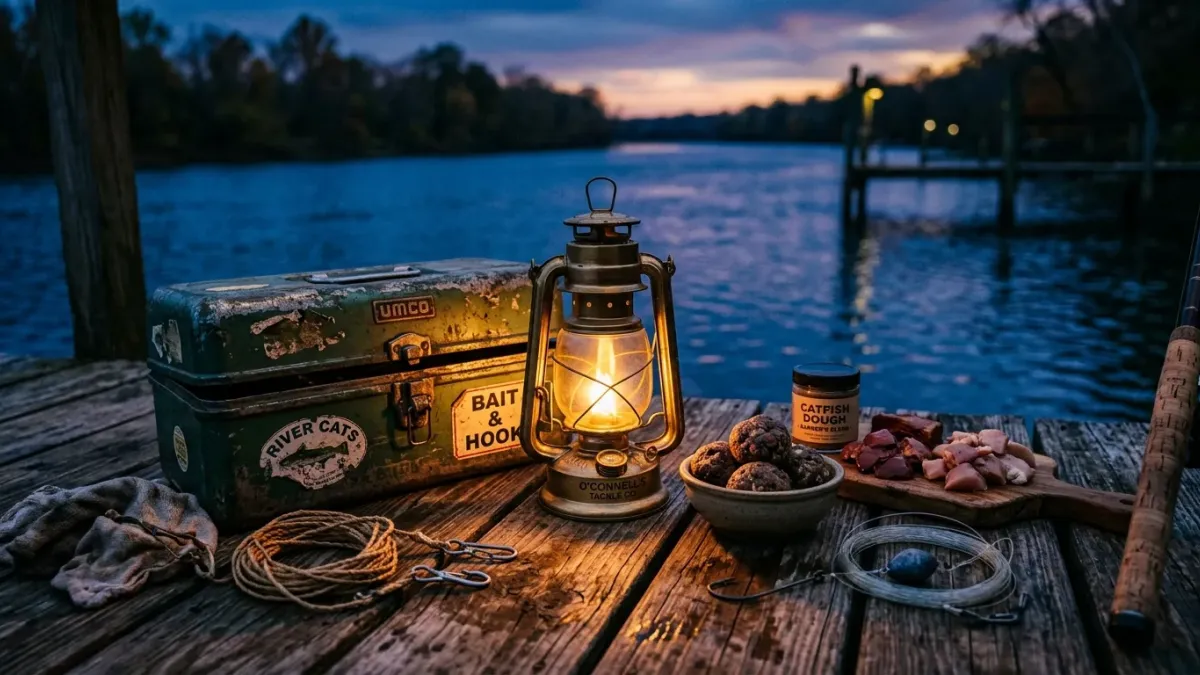
- How to use: They're messy! So, be prepared. Hook a piece (about the size of your thumb) through multiple times to keep it on the hook. Some anglers even use a small piece of nylon stocking or pantyhose to keep the liver from flying off on the cast.
- My Experience: Honestly, I've had some of my most exciting Channel Catfish trips using nothing but a tub of chicken livers. The key is to cast gently and let them settle on the bottom, letting that irresistible scent do its work.
Shrimp: A Salty, Stinky Treat
- Why they work: Both fresh and slightly spoiled shrimp can be dynamite for catfish. They have a strong, natural aroma that appeals to a wide range of fish, and catfish are definitely on that list.
- How to use: Peel the shrimp (the scent of the exposed flesh is key) and hook a whole or half piece through the body on a 2/0 to 4/0 hook.
- Consideration: Shrimp can also attract other species like panfish or even saltwater species if you're fishing a brackish area, so be ready for diverse action.
Prepared Stink Baits & Dough Baits
- Why they work: These are commercially produced baits specifically designed to exploit a catfish's sense of smell. They come in various forms – dip baits (for sponges or worms), punch baits (for bare hooks), and dough balls. They're engineered to have maximum scent dispersion.
- How to use: Follow the manufacturer's instructions. Dip baits require a special bait holder, while punch baits are designed to be pressed onto a bare treble hook. Dough baits are molded around the hook.
- Pros & Cons: They're incredibly convenient and effective, especially for Channel Catfish. However, they can be messy, and some anglers prefer natural baits. Experiment to see what works best in your local waters.
Understanding Catfish Behavior & Seasonal Bites
Knowing what bait to use is great, but knowing when and where to present it can be a game-changer. Catfish behavior changes throughout the year, and understanding these patterns will drastically improve your success rate. It's not just about the bait; it's about the entire presentation.
Seasonal Strategies for Bait Selection
- Spring: As waters warm, catfish move into shallower areas to spawn. They're often aggressive and respond well to worms, cut bait, and even smaller pieces of chicken liver. Look for them in coves, creek mouths, and flats.
- Summer: When temperatures peak, catfish often retreat to deeper, cooler waters during the day, becoming more active at night or during low-light conditions. Deeper holes, river bends, and channels are prime spots. Stronger, more pungent baits like large cut bait or prepared stink baits become very effective as their scent travels further.
- Fall: This is a fantastic time to fish for catfish as they enter a feeding frenzy to bulk up for winter. They can be found in a variety of depths and will aggressively hit most baits, from worms to large cut baits. Don't overlook this prime feeding window!
Common Mistakes to Avoid
- Using too small a hook: Catfish have surprisingly large mouths. A hook that's too small will often result in missed bites. Don't be afraid to go with a 2/0 to 4/0 hook for most Channel Cats.
- Not checking your bait: Soft baits like chicken liver or worms can easily come off during a cast or be nibbled away by smaller fish. Check and re-bait every 15-20 minutes, or after any suspicious taps on your line.
- Ignoring current: If you're river fishing, the current carries the scent of your bait. Cast upstream and let your bait drift naturally, spreading its scent trail downriver.
Choosing Your Bait & What to Do This Weekend
So, you've got the lowdown on the best baits. But what's the ultimate choice for your next outing? It often comes down to convenience, what's available, and what species you're primarily targeting. If you're a beginner, start simple. A tub of nightcrawlers or chicken livers will almost always get you some action and build your confidence.
For those looking to target larger cats, especially Flatheads, don't shy away from fresh cut bait. Remember, bigger bait often means bigger fish! And no matter what you choose, always practice sustainable fishing habits: respect size and bag limits, and consider using barbless hooks for easier catch and release, ensuring future generations can enjoy the thrill of catfish fishing too.
What to do this weekend: Grab a container of chicken livers or a pack of hot dogs from the grocery store. Find a local pier, a quiet river bend, or a public lake known for catfish. Rig up a simple slip sinker rig (a 1/2 to 1 oz sinker, a swivel, an 18-inch leader of 10-15 lb monofilament, and a 2/0 to 4/0 circle hook) and cast it out. You might be surprised at what's waiting for your smelly offering on the bottom!
Whether you're after a delicious meal or just the satisfying pull of a hard-fighting fish, catfish offer an incredible angling experience. Don't overthink it; pick a proven bait, find a good spot, and let those amazing whiskers lead you to your next catch. Happy fishing, fellow Fish Hunter!