The Surface Game: Why Topwater Lures Are a Must-Try for Every Angler
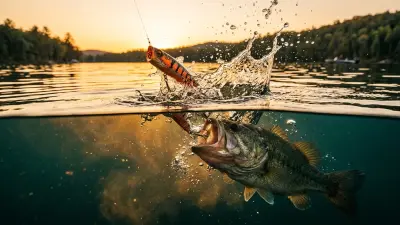
Picture this: You've got your line out, the morning mist is just lifting from the water, and then BAM! The water erupts as a fish smashes your lure right on the surface. That, my friend, is the unparalleled excitement of topwater fishing. It's not just a technique; it's a spectacle, a heart-stopping moment that turns a peaceful morning into an adrenaline rush. For us busy folks – whether you're juggling work from an apartment or escaping to the local park lake after a long week – topwater fishing offers some of the most visible, rewarding, and downright fun action you can find.
I’ve spent over two decades chasing fish, from urban ponds to vast reservoirs, and I can tell you there’s nothing quite like it. Fish hitting a lure on the surface isn't just about catching; it's about witnessing the hunt. It’s like watching a nature documentary unfold right before your eyes, but you’re part of the action! Many beginners shy away from topwater, thinking it’s an advanced technique, but I’m here to bust that myth. With the right basic gear and a few simple moves, you can be experiencing these explosive strikes on your very next trip. It’s effective, incredibly visual, and often works wonders in accessible spots near home. Let's get you set up to create some serious surface commotion!
Why Topwater is Perfect for the Urban Angler
- Unforgettable Visual Strikes: Forget subtle bites; topwater is all about seeing the action.
- Often Effective in Accessible Waters: Ponds, canals, slow-moving rivers, and even tidal estuaries often hold fish that will smash a topwater lure.
- Relatively Simple Gear: You don't need a specialized setup to get started.
- Less Snags: Because your lure stays on the surface, you're less likely to get hung up on underwater structure.
Your First Topwater Arsenal: Gear Up Without the Guesswork
You don't need to break the bank to start enjoying topwater action. The beauty of this technique is its simplicity. Here’s what I recommend for a solid, budget-friendly setup that will handle most topwater situations for species like Largemouth Bass, Smallmouth Bass, Pickerel, and even some smaller Pike.
The Rod & Reel Combo: Your Foundation
For topwater fishing, particularly with beginners in mind, a spinning rod and reel combo is ideal for ease of use and versatility. You want a setup that offers a good balance of casting distance and the ability to work your lures effectively.
- Rod: Look for a 6.5 to 7-foot medium-light to medium power fast action spinning rod.
- Medium-light to Medium Power: This refers to how much force it takes to bend the rod. Medium-light offers more sensitivity for smaller lures and lighter fish, while medium gives you a bit more backbone for larger fish and lures. Both are great starting points.
- Fast Action: This describes where the rod bends. A "fast action" rod bends mostly in the top third, providing excellent sensitivity to feel subtle changes in your lure's movement and quick hook-setting power – crucial for those quick topwater strikes.
A good beginner combo like a Penn Fierce III combo or a Shimano Sienna combo often fits this description perfectly and won't set you back too much.
- Reel: Pair your rod with a 2500 to 3000 size spinning reel.
- This size reel balances well with the recommended rod, holds enough line, and provides a smooth drag system. A smooth drag is essential to prevent line breaks when a big fish makes a sudden run after that initial explosive strike.
Line Choice: The Invisible Connection
For topwater fishing, I almost exclusively recommend using braided line, especially for beginners. Here’s why and how to set it up:
- Main Line (Braided): Spool your reel with 15 to 20 lb braided line.
- Braided Line: This type of fishing line is made by braiding multiple strands of synthetic fibers together, making it incredibly strong for its diameter and virtually no stretch.
- No Stretch: This is the key advantage for topwater. When a fish strikes, that lack of stretch means you get an immediate, direct connection, allowing for quicker, more solid hooksets. It also helps you feel exactly what your lure is doing.
- Visibility: Braided line is often very visible, which can be a good thing for watching your line for subtle bites, but fish can sometimes see it.
- Leader (Fluorocarbon): Tie a 2 to 3-foot leader of 10 to 15 lb fluorocarbon line to your braided mainline.
- Fluorocarbon Line: This monofilament line is nearly invisible underwater, making it great for stealth. It also has good abrasion resistance.
- Why a Leader? The fluorocarbon leader provides stealth where it matters most (near your lure) and a bit of abrasion resistance against fish teeth or submerged objects.
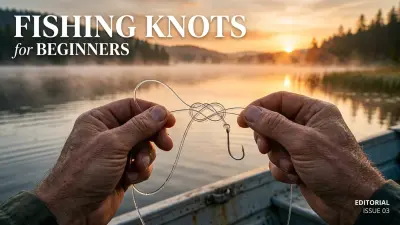
- Knot for Leader: For joining braided line to a fluorocarbon leader, I highly recommend learning a reliable knot like the FG Knot (strongest, but can be tricky) or the Double Uni Knot (easier for beginners and still very strong). Practice these at home!
- Lure Knot: To attach your lure to the leader, the Improved Clinch Knot or the Palomar Knot are both excellent choices for strength and reliability.
Essential Topwater Lures for Beginners
Don’t get overwhelmed by the wall of lures at the tackle shop. Start with these two proven types:
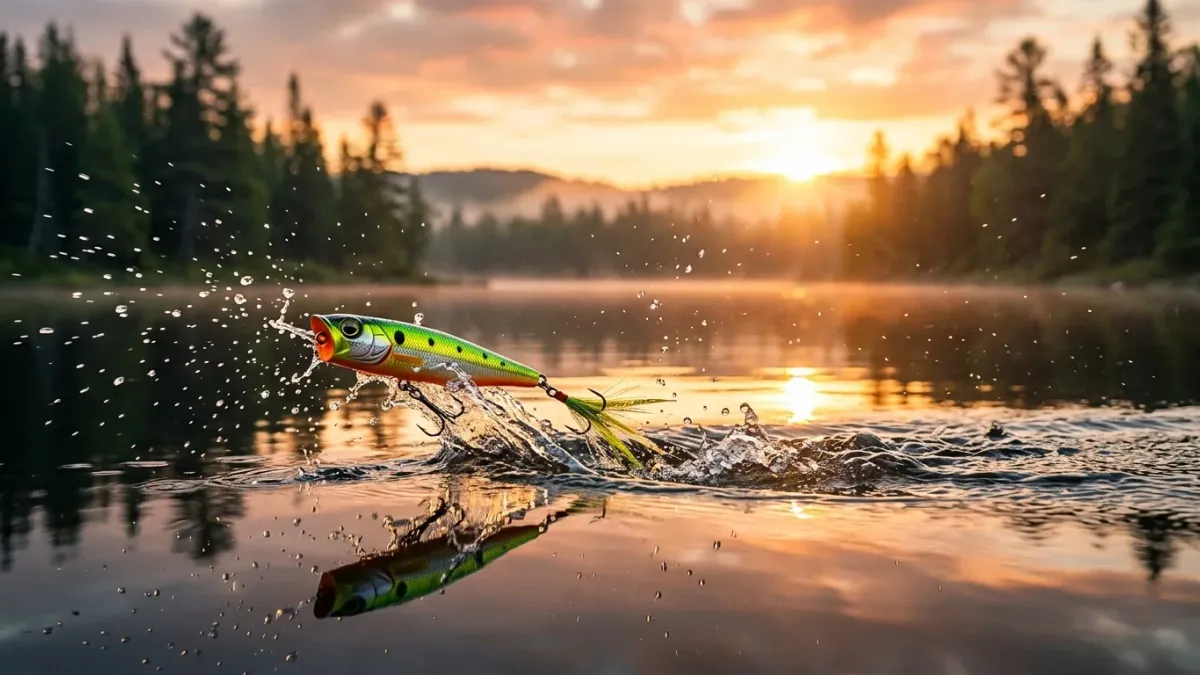
- Popper Lures: These are probably the most iconic topwater lures. They have a concave (cup-shaped) face that "pops" and sprays water when twitched.
- Why they work: The sound and splash imitate a struggling baitfish or a frog jumping into the water, triggering aggressive strikes.
- Size & Color: For bass, a 2.5 to 3.5-inch popper in natural baitfish colors (silver, white, perch patterns) or frog patterns is a great start.
- Budget Example: Rebel Pop-R or a Heddon Chug'n Spook.
- Walk-the-Dog Lures (e.g., "Spook" style baits): These slender, cigar-shaped lures don't have a lip. Their magic is in how you retrieve them, making them "walk" side-to-side across the surface.
- Why they work: This zig-zagging action perfectly mimics a frantic or injured baitfish darting on the surface, driving predatory fish wild.
- Size & Color: A 3 to 4-inch "Spook" style lure in chrome, bone, or shad patterns is excellent.
- Budget Example: Heddon Super Spook Jr. is a classic and very effective.

Decoding the Dance: How to Work Your Topwater Lures for Explosive Action
This is where the magic happens! It’s not just about casting and reeling; it’s about making your lure come alive. Here’s how to impart that irresistible action to your beginner-friendly topwater lures.
The Popper: Pop-Pop-Pause!
Poppers are fantastic for beginners because their action is intuitive and highly effective. The key is to create a rhythm that sounds like a struggling creature.
- Cast & Wait: Cast your popper to your target spot (e.g., near lily pads, submerged timber, or shaded banks) and let it sit. Often, fish will strike it as soon as it hits the water, thinking it's something that just fell in. Wait for the ripples to disappear – usually 5-10 seconds.
- The Pop: Point your rod tip down towards the water (about 10-15 degrees above the surface) and give a sharp, short twitch of your wrist. This makes the lure "pop" and spray water. Immediately reel up the slack line created by the twitch.
- The Pause: Let the lure sit motionless again for 3-5 seconds (or even longer if fish are finicky). This pause is crucial! It gives the fish time to locate the lure and decide to strike. Many strikes happen during this pause.
- Repeat: Continue with a "Pop-Pop-Pause" or "Pop-Pause" rhythm. Vary the strength of your pops and the length of your pauses until you figure out what the fish want that day. Sometimes a single, soft pop followed by a long pause is deadly; other times, a series of aggressive pops works best.
The Walk-the-Dog Lure: The Zig-Zag Shuffle
This retrieve takes a little practice but is incredibly rewarding. The goal is to make the lure sashay back and forth across the surface like a confused baitfish.
- Cast & Point Down: Cast your walk-the-dog lure and immediately point your rod tip down towards the water, almost touching the surface. Keep a slight bit of slack in your line after the cast.
- The "Walk":
- Give a sharp, downward twitch of your rod tip (about 6-12 inches).
- As you twitch, simultaneously reel in a quarter to half a turn of your reel handle to take up the slack.
- The lure should dart to one side.
- Immediately relax your rod tip slightly, allowing a tiny bit of slack, then repeat the twitch and reel.
- With practice, you'll find a rhythm where the lure continuously zig-zags from side to side. It's a "twitch-reel-twitch-reel" motion.
- Vary the Pace: Sometimes a fast, frantic walk is best; other times, a slow, deliberate walk with slightly longer pauses will draw strikes. The key is consistency in your twitching motion to maintain the "walk."
Timing is Everything: When and Where to Cast Your Topwater Magic
Topwater lures aren't always the best choice, but knowing when and where to use them dramatically increases your success. Think of it as hitting the sweet spot!
When to Fish Topwater: The Golden Hours
- Early Morning (Dawn until 9-10 AM): This is prime time! As the sun rises, fish are often actively feeding closer to the surface before the heat drives them deeper. The low light also makes them feel more secure.
- Late Evening (Last 2-3 Hours Before Dark): Similar to morning, fish move shallower to feed as the light fades and temperatures cool.
- Overcast Days: A cloudy sky acts like natural shade, keeping water temperatures down and fish active near the surface throughout the day, not just at dawn/dusk.
- Post-Frontal Conditions (Tricky, but possible): After a cold front, fish can be lethargic. Sometimes, a slow-moving topwater lure with long pauses can coax a strike from inactive fish.
- Seasonal Peaks:
- Spring: As water temperatures warm (especially 55-65°F / 13-18°C), fish move shallower for spawning, making topwater highly effective, particularly around bedding areas.
- Summer: During hot summer months, topwater is phenomenal during the golden hours (early morning/late evening) and around heavy cover where fish seek shade.
- Early Fall: As water temperatures begin to cool, fish go on a "feeding frenzy" to bulk up for winter, making topwater incredibly productive throughout the day, especially on overcast days.
Where to Cast Your Topwater Magic: Prime Real Estate
Fish often use structure and cover for ambush points. These are your targets!
- Shorelines & Bank Edges: Fish often cruise the edges of lakes and ponds, especially if there's vegetation or drop-offs.
- Weed Lines & Lily Pads: Cast your popper or walk-the-dog lure right up to, or even onto, lily pads and then pull it into open water. Fish love to hide in this dense cover.
- Submerged Wood (Logs, Brush Piles): These provide excellent ambush points. Cast beyond the structure and retrieve your lure over or alongside it.
- Docks & Piers: The shade and structure under docks and piers are magnets for fish. Cast parallel to the edges or into the shaded pockets.
- Rocky Points & Riprap: These areas often hold baitfish, which in turn attract predatory fish.
- Any "Disruption" on the Water: Look for current breaks, small eddies, or areas where two different types of water meet. These are often feeding zones.
Trouble at the Surface? Common Topwater Hiccups & Quick Fixes
Even seasoned anglers have days where things don't go perfectly. Don't get discouraged! Here are some common topwater problems and how to troubleshoot them.
Problem 1: Missed Strikes! Fish blow up on the lure but don't get hooked.
This is arguably the most frustrating part of topwater fishing, but it's incredibly common!
- The Fix: Don't Set the Hook Too Soon! Your natural instinct is to yank the rod as soon as you see the splash. Resist! Instead, wait until you *feel* the weight of the fish on your line before sweeping the rod sideways to set the hook. Often, the fish just needs a split second longer to fully engulf the lure. My old fishing buddy always said, "Wait until you feel the fish, not just see the splash!"
- Check Hooks: Make sure your treble hooks are sharp. Dull hooks lead to missed opportunities. Carry a small hook sharpener.
- Lure Size: Sometimes a smaller lure can lead to better hook-ups if fish are short-striking a larger one.
Problem 2: No Bites! The water looks perfect, but nothing is hitting.
Silence can be deafening when you're expecting explosive action.
- The Fix: Change Your Retrieve. Are you retrieving too fast? Too slow? Try varying your pause times, the aggression of your pops, or the speed of your "walk." Sometimes, a dead-slow retrieve with long pauses is the ticket. Other times, a frantic, fleeing baitfish action will trigger them.
- Change Lure Type/Color: If poppers aren't working, switch to a walk-the-dog. If natural colors aren't producing, try a brighter "attractor" color like chartreuse or fire tiger, especially in stained water.
- Target Different Spots: If your usual spots are quiet, try deeper pockets near cover, shaded areas, or different types of structure.
- Check the Time: If it's midday and sunny, fish might be deeper. Consider switching to a subsurface lure for a bit, or target heavily shaded areas.
Problem 3: Line Twist or Backlash with Braided Line.
Braided line is great, but it can sometimes twist or cause tangles, especially on spinning reels.
- The Fix: Check for Line Twist. If you're getting a lot of tangles or loops coming off the spool, your line might be twisted. To fix this, strip out a good amount of line (say, 50-100 feet) while on the water with no lure, let it trail behind your boat/kayak, or just let it hang in the current for a few minutes. The water resistance will often untwist it. Reel it back in under light tension.
- Avoid Overfilling Your Spool: Don't fill your reel spool to the very brim; leave about an eighth of an inch from the edge. This helps prevent line from spilling off prematurely.
- Practice Casting: Backlashes are less common on spinning reels but can happen with poor casting technique. Practice a smooth, controlled cast.
Quick "What to Do This Weekend" Takeaway
Ready to experience those unforgettable topwater strikes? Here’s your actionable plan for this weekend:
- Gear Check: Grab your 6.5-7ft medium-light/medium spinning rod with a 2500-3000 reel. Make sure it's spooled with 15-20lb braid and has a 10-15lb fluorocarbon leader. Double-check your knots!
- Lure Up: Pick up a couple of poppers (2.5-3.5 inches) and a walk-the-dog lure (3-4 inches) in natural colors.
- Target Time & Place: Plan your trip for early morning or late evening. Head to a local pond, lake, or slow-moving river with visible cover like lily pads, docks, or submerged logs.
- Practice Retrieve: Start with the "Pop-Pop-Pause" for poppers. For walk-the-dog lures, focus on that rhythmic "twitch-reel-twitch-reel." Remember to wait until you feel the fish before setting the hook!
- Sustainable Fishing: Practice catch and release, especially for larger breeding fish. Use barbless hooks (or pinch down barbs with pliers) for easier, less harmful releases. Respect size and bag limits.
Topwater fishing is one of the most exciting ways to connect with nature and experience the thrill of the strike. It's a skill anyone can learn, and the rewards are absolutely electrifying. Get out there, cast your line, and prepare for some surface-smashing action!