Why Piers Are Your Urban Angler's Dream Launchpad
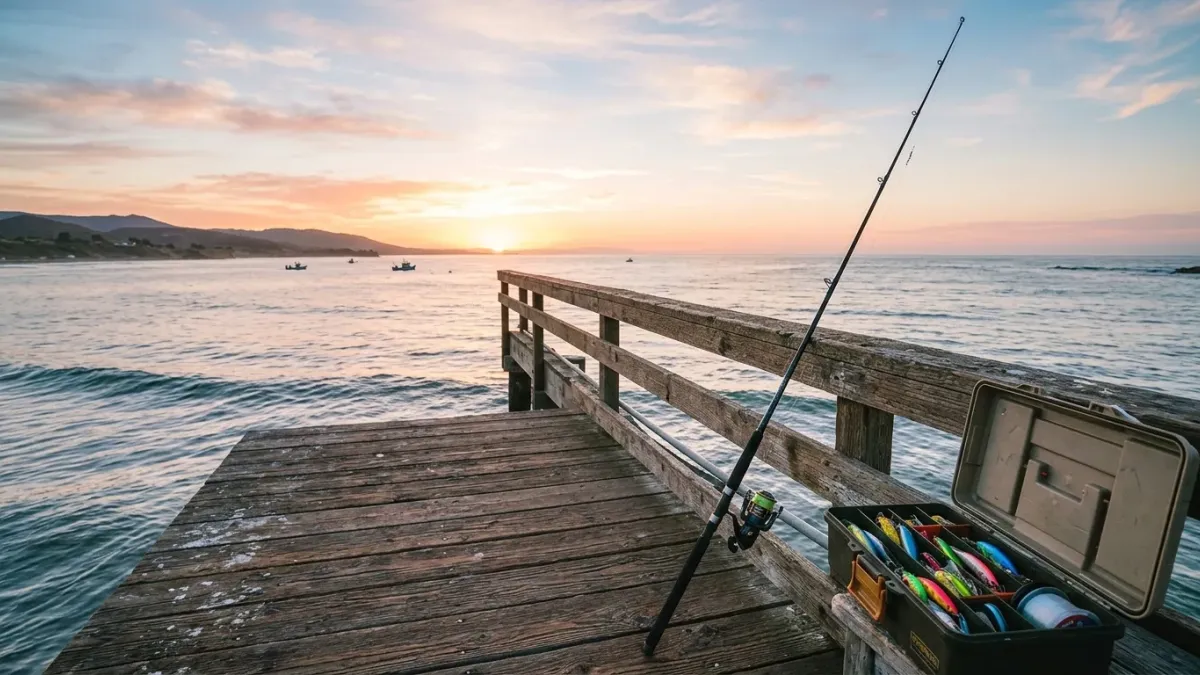
As an angler who's spent over two decades chasing fish from every imaginable spot—from secluded riverbanks to choppy ocean boats—I can tell you this: for the busy apartment dweller or office worker yearning for a weekend escape, coastal piers are nothing short of a miracle. Forget the hassle of boat rentals, launching ramps, or navigating tricky shorelines. Piers offer a straightforward, highly effective, and incredibly rewarding gateway into the world of saltwater fishing. They're not just accessible; they're strategically placed fishing platforms designed to put you right where the action is.
Think about it: a pier is essentially a long arm reaching out into deeper water, often extending over sand flats, rock jetties, or even submerged structure that attracts baitfish and, consequently, bigger predators. This means you're casting into prime feeding zones that are often out of reach for shore-bound anglers. The pilings themselves—the sturdy posts supporting the pier—create artificial reefs, offering shelter and food for a diverse array of species. You'll find everything from bottom-dwelling favorites like Flounder and Drum to schooling fish cruising the surface, such as Spanish Mackerel and Bluefish, and even structure-hugging fighters like Sheepshead and Mangrove Snapper.
Piers also foster a unique sense of community. You'll often find a mix of seasoned veterans and excited newcomers, all sharing a common passion. It's a fantastic environment for learning, where a friendly nod or a quick question can lead to invaluable tips from someone who's "been there, caught that." Plus, many piers are designed with convenience in mind, offering amenities like bait shops right on the pier, restrooms, and sometimes even fish cleaning stations. It truly simplifies your entire fishing experience, allowing you to focus on the joy of the cast and the thrill of the catch.
Assembling Your Pier Powerhouse: Smart Gear Choices for Success
Stepping onto a pier, you want gear that's up to the task without being overly complicated or expensive. My philosophy for fishhunter.online readers is always "simple, effective, and budget-friendly." Here’s a smart setup that will handle almost anything a pier can throw at you, specifically chosen for its versatility and beginner-friendliness, while still being able to tackle bigger fish.
The Rod & Reel: Your Versatile Saltwater Combo
- Rod: For pier fishing, I highly recommend a 7 to 8-foot medium-heavy spinning rod. Why this specific combo?
- Length (7-8 ft): The extra length gives you crucial casting distance, allowing you to reach those deeper channels or bait schools further from the pier. It also provides better leverage when fighting a strong fish around pilings, helping you steer it away from snags.
- Power (Medium-Heavy): This rating signifies the rod's backbone or strength. Medium-heavy offers a perfect balance—it's stout enough to handle larger saltwater species like a decent Red Drum or Bluefish, yet sensitive enough to feel the subtle bites of smaller fish like Croaker or Pinfish.
- Action (Fast): This refers to how much of the rod bends when pressure is applied. A "fast" action rod bends mostly in the tip section. This gives you excellent sensitivity to detect light bites and provides quick, powerful hook sets.
Beginner Recommendation: Look for combo kits from reputable brands like Ugly Stik (GX2 series) or Penn (Pursuit IV or Battle III series). A 7' medium-heavy spinning rod from these brands will serve you well, often costing under $100-$150 for the rod alone, or slightly more for a combo.
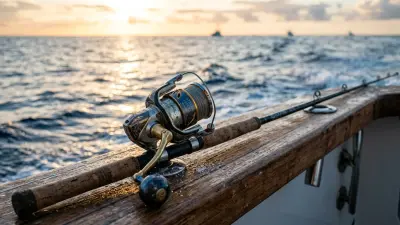
- Reel: Pair your rod with a 3000-4000 size saltwater-rated spinning reel.
- Spinning Reel: This is the easiest type of reel for beginners. The spool remains stationary during the cast, letting the line peel off smoothly.
- Size (3000-4000): This range offers a good balance of line capacity (enough to handle long casts and strong runs) and cranking power. A saltwater-rated reel is crucial; it features corrosion-resistant components and a sealed drag system to withstand the harsh saltwater environment.
- Drag System: Pay attention to the "drag"—the adjustable mechanism that allows line to be pulled off the spool under tension, preventing your line from breaking when a fish pulls hard. A smooth, powerful drag is non-negotiable for saltwater fishing.
Beginner Recommendation: Shimano Sedona FI (3000 or 4000 size) or a Penn Battle III (3000 or 4000 size) are excellent choices that balance performance, durability, and a reasonable price point (typically $80-$130).
- Line: This is your direct connection to the fish!
- Main Line (Braided): I recommend spooling your reel with 15-20 lb braided line. Braided line is made of multiple synthetic fibers woven together, offering incredible strength for its diameter, zero stretch (meaning extreme sensitivity to bites), and superior casting distance. While it can be a bit trickier to tie knots with initially, its benefits for pier fishing are huge.
- Leader (Fluorocarbon): Always, always, always add a 2-3 foot section of 20-30 lb fluorocarbon line as a leader. This is tied to the end of your braided main line. Fluorocarbon is nearly invisible underwater, which helps fool wary fish. More importantly for pier fishing, it's highly abrasion-resistant, providing a crucial buffer against sharp pilings, barnacles, and oyster shells that can easily cut your main line.
- Connecting Braid to Leader: For beginners, the Double Uni Knot is a reliable and relatively easy knot to learn for connecting braided line to fluorocarbon leader. Practice it at home!
Terminal Tackle Essentials: What Goes on the End of Your Line
This is where your bait or lure meets the water. Keep it simple but effective.
- Hooks:
- Circle Hooks (#1 to 3/0): These are fantastic for bait fishing, especially for beginners and when practicing catch and release. They are designed to hook the fish in the corner of its mouth, preventing "gut-hooking" and making release much easier. When a fish bites, simply let the rod load up, then slowly reel in—the hook will set itself.
- J-Hooks (#4 to #1): These traditional hooks are good for artificial lures or when you need a more aggressive hook set.
- Sinkers (1-3 oz): You'll need weight to get your bait down and keep it there against currents.
- Egg Sinkers: These oval-shaped weights slide freely on your main line and are perfect for a "fish finder rig."
- Pyramid Sinkers: These are great for bottom fishing in stronger currents as their shape helps them "dig in" and hold their position.
- Swivels (Size 7-10 Barrel Swivels, Snap Swivels):
- Barrel Swivels: Used to prevent line twist, especially when your bait spins in the current.
- Snap Swivels: Handy for quickly changing lures without having to cut and re-tie your line every time.
Two Essential Pier Rigs for Beginners
Don't get overwhelmed by fancy setups. Master these two, and you'll be ready for most pier fishing scenarios:
- The Fish Finder Rig: Ideal for targeting bottom-feeding fish like Flounder, Red Drum, or Croaker.
- Thread an egg sinker onto your main line (braid).
- Tie one end of a barrel swivel to your main line.
- Tie a 12-18 inch fluorocarbon leader (20-30 lb) to the other end of the barrel swivel.
- Tie a #1 to 3/0 circle hook to the end of your leader.
- The egg sinker slides freely, allowing a fish to pick up your bait without feeling the weight, making it less likely to drop it.
- The High-Low Rig (or Sabiki Rig for baitfish): Great for catching multiple smaller schooling fish like Pinfish, Spot, or Croaker, or for suspending bait at different depths.
- This rig usually consists of a main line with two or three droppers (short leaders) branching off, each with a hook, and a sinker at the very bottom. You can buy these pre-tied.
- Simply tie your main line to the top loop, and your sinker to the bottom loop.
- This allows you to present multiple baits at different depths simultaneously, increasing your chances.
Essential Extras to Pack
- Pliers: Long-nose pliers or specialized fishing pliers are crucial for removing hooks, cutting line, and crimping weights.
- Small Tackle Box: A compact box to organize your hooks, sinkers, swivels.
- Bait Knife: For cutting bait (squid, mullet).
- Rag or Towel: Essential for wiping hands, handling slimy fish.
- Cooler with Ice: To keep your bait fresh and your catch even fresher.
- Sun Protection: Hat, sunglasses (polarized sunglasses help you see into the water!), sunscreen.
- Small Folding Chair: Piers can be long! A comfortable seat makes the waiting more enjoyable.
- Small Bucket: For keeping bait alive or for your trash.

Decoding the Pier: Tactics for Your First Catch
Having the right gear is half the battle; knowing how to use it effectively on a pier is the other. Here’s how to approach your pier fishing adventure strategically.
Where to Cast: Reading the Water from Above
A pier gives you a unique vantage point. Take a moment to observe before casting.
- Near the Pilings: The barnacle-encrusted pilings are like apartment buildings for fish. Sheepshead, Tautog, and certain Snapper species love to pick off food here. Drop a bait straight down or cast very close to the pilings.
- Under the Pier: The shade and structure under the pier can hold baitfish and larger predators seeking cover.
- Into Deeper Channels: Look for areas where the pier crosses over deeper water or a pronounced channel. This is often where larger bottom fish like Drum, Flounder, or even small sharks might be cruising. A fish finder rig is perfect here.
- Into Open Water: If you see birds diving or baitfish schooling on the surface further out, cast artificial lures like a “Gotcha Plug” or a spoon into that open water for schooling fish like Spanish Mackerel or Bluefish.
- Look for Structure: Keep an eye out for any underwater structures like old pilings, rock piles, or even artificial reefs that might be visible from your elevated position. Fish love structure!
When to Fish: Tides, Times, and Weather
- Tides are King: For saltwater fishing, moving water means feeding fish. Aim to fish during an incoming or outgoing tide (when the water is moving most). Slack tide (the period between tides when water movement is minimal) is often slower. Check a local tide chart for your pier location—it's freely available online or at local bait shops.
- Time of Day: Just like many land animals, fish are often most active during dawn and dusk. These low-light periods offer cover for predators. Night fishing can also be productive for certain species like Catfish, Speckled Trout, or even sharks, as they move into shallower waters under the cover of darkness.
- Weather: Don't let a cloudy day deter you; overcast conditions can often lead to better fishing as fish feel less exposed. After a storm, if the water isn't too muddy, fishing can be excellent as fish feed aggressively on dislodged food.
Bait and Lure Selection: What's on the Menu?
- Live Bait: Often the most effective.
- Shrimp: The universal bait! Live or fresh dead shrimp will catch almost anything that swims from a pier—Croaker, Spot, Flounder, Trout, Sheepshead. Hook them through the tail or just under the horn on their head.
- Squid: Tough, stays on the hook well, and attracts a wide variety of fish, especially bottom dwellers.
- Fiddler Crabs: A top bait for Sheepshead, which pick them off pilings.
- Finger Mullet: Great live bait for larger predators like Bluefish, Spanish Mackerel, or Red Drum.
- Cut Bait: Chunks of fish (like mullet or mackerel) work well for bigger, smell-oriented feeders like Drum, Catfish, or even small sharks.
- Artificial Lures:
- Small Jigs (1/4 to 1 oz): Tipped with a piece of fresh shrimp or a soft plastic imitation (like a Gulp! shrimp), these are deadly for Flounder, Speckled Trout, and other bottom/mid-water feeders. Work them slowly along the bottom with a hop-and-retrieve.
- Gotcha Plugs: A classic pier lure for Spanish Mackerel and Bluefish. Cast them out, let them sink a bit, and retrieve with short, sharp jerks to mimic a wounded baitfish.
- Spoons: Metal spoons cast far and flash enticingly, also great for Mackerel and Bluefish.
Setting the Hook & Fighting Your Catch
- With Circle Hooks: Resist the urge to yank! When you feel a bite, slowly pick up the rod tip, let the fish take the bait, and then simply start reeling steadily. The circle hook will usually set itself perfectly in the corner of the fish's mouth.
- With J-Hooks/Lures: A firm, upward sweep of the rod tip is usually needed to set the hook.
- Fighting the Fish: Use your rod, not just your reel! Keep the rod tip up (around a 45-degree angle) to absorb the fish's runs and maintain tension. Only reel when the fish isn't pulling line. Use your drag properly—it should allow line to peel off when the fish makes a strong run, preventing your line from breaking.
Common Pier Pitfalls & How to Fish Like a Pro (Even if You're New)
Every angler, even those with decades of experience, faces challenges. Knowing how to anticipate and overcome common pier problems will save you frustration and enhance your enjoyment.
Tangles and Snags: The Angler's Nemesis
- Preventing Tangles: Before every cast, quickly check your line for loose loops or knots near the reel. Don't cast over other anglers' lines. If the wind is strong, cast with the wind or adjust your technique to avoid "wind knots" (tangles formed by loose line on the spool).
- Fixing Tangles: Patience is key. If it's a simple bird's nest on the reel, carefully pick it apart. For severe tangles or snags on pilings, it's often best to cut the line and re-tie. Don't pull too hard if you're snagged on structure; you risk snapping your rod or damaging your reel. Try to change your angle, or if safe, walk to another part of the pier to dislodge it.
- Lost Terminal Tackle: It happens! That's why we start with budget-friendly gear. Pack extra hooks, sinkers, and swivels.
Pier Etiquette and Safety
- Respect Personal Space: Give other anglers ample room. Don't cast near someone else's line.
- Mind Your Noise: While friendly chatter is welcome, loud music or yelling can disturb others and potentially spook fish.
- Clean Up: Always pack out what you pack in. Dispose of old fishing line, bait containers, and trash properly. Old fishing line is a major hazard to wildlife.
- Watch for Hooks: Be mindful of your surroundings. Hooks can fly, especially during casting or when unhooking a fish.
- Slippery Surfaces: Piers can be wet or slimy. Wear appropriate footwear with good grip.
Sustainability: Fishing for the Future
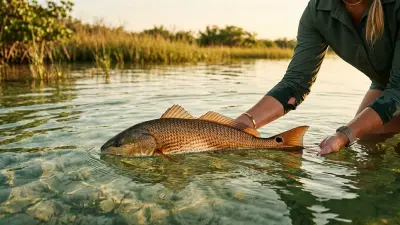
- Catch and Release: Practice responsible catch and release, especially for fish you don't intend to eat or those that are undersized. Handle fish gently with wet hands, minimize their time out of water, and use barbless hooks (or crimp down barbs on existing hooks) to make removal easier.
- Respect Size and Bag Limits: Know the local regulations for the species you're targeting. These limits are in place to ensure healthy fish populations for future generations.
- Don't Waste Bait: Only buy what you need or can store properly.
Dealing with "Skunk Days"
Some days, the fish just aren't biting. It happens to everyone! Don't get discouraged. Use these days to observe, practice your casting, try different retrieves, or simply enjoy the salty air and the ocean view. Fishing is as much about the experience as it is about the catch.
Your Weekend Pier Action Plan: Time to Cast Off!
Ready to make your first pier fishing trip a success? Here's your quick checklist:
- Check Local Regulations: Look up your local pier's fishing rules, license requirements (if any), and species specific size/bag limits.
- Gather Your Gear: Pack your rod and reel, braided line with fluorocarbon leader, a selection of circle hooks (#1 to 3/0), 1-3 oz egg/pyramid sinkers, barrel swivels, pliers, bait knife, towel, cooler, sunscreen, hat, and polarized sunglasses.
- Grab Fresh Bait: Head to a local bait shop for live shrimp or squid.
- Time Your Trip: Aim for an incoming or outgoing tide, ideally during dawn or dusk.
- Observe and Adapt: Once on the pier, watch where others are catching fish, look for signs of bait, and try different casting spots.
- Enjoy the Experience: Remember why you started—for relaxation, connection with nature, and the thrill of the chase. Every trip is a learning opportunity!
With this practical advice, you're not just ready to go pier fishing; you're ready to start catching fish and truly enjoy your coastal escape. See you on the pier!