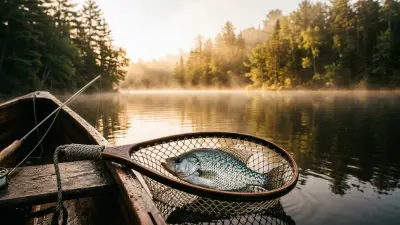
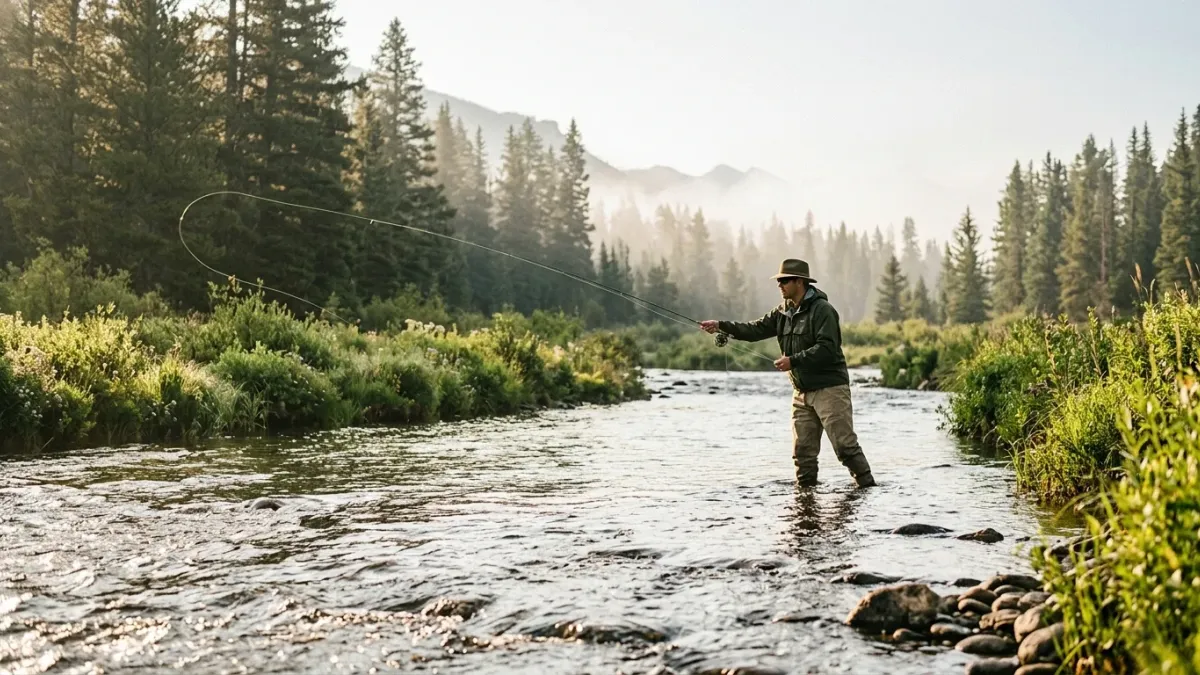
There's something uniquely special about river trout fishing. The sound of rushing water, the thrill of a sudden strike in a clear, cool stream, and the vibrant beauty of a wild trout are experiences that can truly melt away the stresses of the week. Many people imagine complicated fly fishing setups when they think of river trout, but honestly, that's not the only way to do it! You can absolutely get started with simple spinning gear and have an incredibly rewarding time. Let's break down everything you need to know to chase those elusive river beauties.
Understanding Your Target: The Elusive River Trout
Before you even think about casting a line, it helps to understand the fish you’re after. River trout, primarily Rainbow, Brown, and Brook trout in North America, are cold-water species that thrive in clean, oxygen-rich rivers and streams. They are opportunistic feeders, meaning they’ll eat just about anything that looks appealing and easy to catch – insects, worms, small fish, and even other trout eggs. Knowing this helps us pick the right baits and lures.
These fish are also incredibly sensitive to their environment. They prefer structured areas that offer protection from predators and strong currents, and a steady supply of food. Think about it: if you were a small fish, where would you hide from a hawk or a bigger fish, while still getting a good meal? This is why you'll often find them tucked behind rocks, under fallen logs, in deep pools, or along undercut banks. Identifying these potential hideouts, often called "holding lies," is key to successful river fishing.
Their behavior also changes with the seasons. In spring, as waters warm, trout become very active and often move to shallower areas to feed and spawn. Summer can push them into deeper, cooler pools or faster, oxygenated riffles. Come fall, many trout species go on a feeding frenzy to bulk up for winter, often becoming less wary and more aggressive.

Gearing Up for River Trout Success Without Breaking the Bank
You don't need a fancy, expensive setup to catch river trout. The goal here is simple, effective, and budget-friendly gear that works. Based on my experience, especially for beginners, a light spinning setup is perfect.
Your Essential Trout Fishing Combo
- Rod: A 5.5 to 6.5-foot light or ultralight action spinning rod is ideal. This shorter length is maneuverable in brushy riverbanks and provides excellent sensitivity for detecting subtle trout bites. An ultralight rod bends a lot, making even smaller trout feel like a trophy!
- Reel: Pair that rod with a 1000 to 2000 size spinning reel. A spinning reel is one of the most common types, featuring a fixed spool that the line comes off of, making it very easy to cast, especially with lighter lures and baits. A smaller reel matches the lighter rod perfectly, keeping the overall setup balanced and comfortable for a day on the river.
- Line: For river trout, light line is paramount. I recommend 4 to 6-pound test monofilament line (often just called "mono"). Monofilament is a single-strand nylon line, known for its stretch, abrasion resistance, and ease of handling for beginners. The low visibility of clear mono is less likely to spook wary trout. If you want a slight upgrade, a 4-pound fluorocarbon leader tied to your mono mainline can offer even better invisibility and abrasion resistance. A fluorocarbon leader is a short section of line tied to your main line, made of a material that is nearly invisible underwater.
Basic Gear Checklist for River Trout
Beyond your rod and reel, a few other items will make your trip more enjoyable and successful:
| Item | Description & Why You Need It | Budget-Friendly Example |
|---|---|---|
| Small Tackle Box/Bag | Keeps your hooks, weights, and lures organized and accessible. | Plano StowAway Utility Box (small) |
| Assorted Hooks | Size 8-12 Aberdeen or Baitholder hooks. Aberdeen hooks are thin-wired, ideal for live bait, and straighten out under pressure, allowing you to retrieve your snagged line. | Mustad Aberdeen Hooks (various sizes) |
| Split Shot Weights | Small, squeezable lead weights for adding just enough sink to your bait. | Water Gremlin Removable Split Shot Assortment |
| Small Swivels | Size 10-14 barrel or snap swivels to prevent line twist. | Eagle Claw Barrel Swivels |
| Needle-Nose Pliers/Hemostats | Essential for removing hooks, especially when practicing catch and release. | Any sturdy fishing pliers |
| Small Landing Net | A rubberized net is gentle on trout, helping with safe catch and release. | Frabill Tru-Trax Trout Net |
| Small Backpack/Vest | To carry water, snacks, and extra gear comfortably. | Any comfortable daypack |
| Fishing License | Non-negotiable! Always check local regulations. | State Fish & Wildlife Department Website |
Honestly, you can get all of this without spending a fortune. Look for combo deals at your local sporting goods store or online. A good beginner combo (rod, reel, and line) might run you anywhere from $50-$100, leaving plenty of room in the budget for terminal tackle and bait.
The Best Baits and Lures for Tempting River Trout
Now that you're geared up, let's talk about what to put on the end of your line. Trout can be picky, but generally, some go-to options consistently produce results.
Natural Baits – The Classics
- Worms: A classic for a reason. Nightcrawlers, red wigglers, or even garden worms are irresistible to trout. Hook them once or twice to let them wiggle naturally.
- Salmon Eggs: Often used in heavily stocked rivers, these are a trout staple. You can buy them in jars, and they're incredibly effective, especially when drift fishing.
- PowerBait/Trout Dough: Artificial, moldable bait designed specifically for trout. It comes in various colors and scents. For river fishing, try molding it around a small hook, allowing it to drift naturally.
- Minnows: Where legal, live minnows can be deadly for larger trout. Use a small hook through the lips or dorsal fin and fish them under a small bobber or free-drifted.
Artificial Lures – Active and Exciting
Lure fishing is often more active and requires a bit more technique, but it can be incredibly rewarding, especially when trout are aggressive. A lure is an artificial bait designed to attract fish through its movement, vibration, or appearance, mimicking natural prey.
- Inline Spinners: Brands like Mepps, Panther Martin, and Roostertail are legendary. These lures have a blade that spins as you retrieve them, creating flash and vibration that trout can't resist. Choose sizes #0 to #2 for river trout.
- Small Spoons: Lures like the Kastmaster or Little Cleo in sizes 1/8 to 1/4 oz are effective. Their wobbling action imitates a wounded baitfish.
- Small Crankbaits: Tiny crankbaits (1-2 inches) that mimic minnows or crawfish can be excellent for aggressive trout in deeper pools. A crankbait is a hard-bodied lure with a lip that makes it dive when retrieved.
When choosing between natural bait and lures, consider the conditions. If trout are sluggish or the water is cold, natural bait might be better. If they're active and feeding aggressively, lures can cover more water and trigger reaction strikes.
Mastering River Trout Techniques & Finding the Fish
So far we've covered the what and the with. Now, let's get to the really critical point: the how and the where. This is where real-world experience comes into play.
Reading the River: Where Trout Hide
This is arguably the most important skill for river trout fishing. Trout are almost always hiding from the main current or seeking food. Look for:
- Pools: Deeper, slower-moving sections of the river. Trout will often hold at the head (where the fast water enters) or the tail (where water exits) of a pool.
- Riffles and Runs: Shallow, fast-moving water over rocks. Trout will hold just behind larger rocks or in small pockets of calmer water within these areas, waiting for food to drift by.
- Undercut Banks: Where the current has eroded the bank, creating an overhang. These are prime hiding spots, offering shade and protection.
- Fallen Logs and Boulders: Any large obstruction creates a current break, providing a perfect ambush point for trout.
- Eddies: Areas of slack water just off the main current. Trout can rest here and grab food as it swirls by.
For example, imagine this situation: you walk up to a bend in the river, and you see a large fallen tree extending halfway across the current. Below it, there's a swirl of calmer water, and the bank opposite the tree looks like it's been eaten away by the water. Where would you cast? That deep pocket under the fallen tree, the slack water below it, and especially the undercut bank on the other side are all high-percentage spots. Start upstream of these spots and let your bait or lure drift naturally into them.
Casting & Presentation
Stealth is your friend. Trout are easily spooked. Approach the riverbank quietly, keep a low profile, and avoid casting your shadow over the water. For most river fishing, you'll want to cast slightly upstream and allow your bait or lure to drift naturally downstream with the current, mimicking how food would typically flow. This is called drift fishing. Keep your line tight enough to feel bites but loose enough for a natural drift.
When using lures, cast upstream or across the current and retrieve them with a steady pace that keeps the spinner blade turning or the spoon wobbling. Experiment with retrieve speeds and add small twitches to entice strikes.
Essential Knots
You need reliable knots to keep your fish on the line. For attaching lures or hooks directly to your monofilament or fluorocarbon line, the Improved Clinch Knot is a classic and reliable choice. For tying on swivels or if you're using braided line (though less common for beginners with river trout), the Palomar Knot is incredibly strong and easy to learn. Practice these at home until you can tie them quickly and confidently.
Sustainable Fishing & Common Mistakes to Avoid
Part of being a responsible angler and a true Fish Hunter is respecting the resource. Sustainable fishing isn't just a buzzword; it's how we ensure future generations can enjoy the same thrill.
Practice Catch and Release (Responsibly)
Many river systems rely on catch and release to sustain healthy trout populations. If you intend to release your catch:
- Use Barbless Hooks: A barbless hook has no barb (the small point behind the main hook point that prevents fish from coming off). They are much easier to remove, causing less harm to the fish. You can buy them or crimp down the barb on a standard hook with pliers.
- Minimize Handling: Land the fish quickly. Keep it in the water as much as possible.
- Wet Your Hands: Always wet your hands before touching a fish. Dry hands can remove the fish's protective slime coat, making it vulnerable to disease.
- Use Pliers: Gently remove the hook with needle-nose pliers or hemostats. If the fish is deeply hooked, cut the line as close to the hook as possible rather than tearing the fish apart.
- Revive the Fish: Hold the fish gently facing upstream in the current until it can swim away on its own.
Always respect local size and bag limits, and know whether the stream you're fishing is designated "catch and release only."
Common Beginner Mistakes to Sidestep
I've made all of these mistakes myself, so learn from my blunders!
- Too Heavy Line: Using 10-pound test for river trout is often overkill and will reduce your bites significantly. Go light!
- Being Too Noisy: Stomping along the bank or making loud noises can easily scare trout away before you even cast.
- Ignoring Regulations: Not checking local fishing reports or regulations for specific rivers (e.g., special lure restrictions, season dates) can lead to fines or unknowingly harming fish populations.
- Fishing Only One Spot: If a spot isn't producing after 10-15 minutes, move on! Trout are often concentrated in specific areas.
- Not Checking Your Line: Regularly inspect your line for nicks or abrasions, especially after snagging. A weakened line is a lost fish.
Frequently Asked Questions
What's the best time of day to fish for river trout?
Generally, early morning (dawn until mid-morning) and late afternoon/evening (a few hours before dusk) are the most productive times. Trout are often more active feeders during these cooler periods when light levels are lower, offering them more security.
Do I need waders for river trout fishing?
While not strictly mandatory for every river, waders (waterproof pants or overalls that allow you to stand in the water) can significantly increase your access to prime fishing spots that aren't reachable from the bank. For beginners, start from the bank, but consider waders if you get serious about river fishing.
How do I know if a river has trout?
The best way is to check your local state's fish and wildlife department website. They often have stocking schedules, species information, and even detailed maps of trout streams. Local tackle shops are also excellent resources for up-to-date information.
Fishing for trout in rivers is a truly special experience. It connects you with nature, hones your outdoor skills, and offers the simple joy of a tight line. With this guide, a basic spinning setup, and a willingness to explore, you're well on your way to enjoying the tranquility and excitement that river trout fishing has to offer. So, what are you waiting for? This weekend, grab your gear and head to a local river. Those trout are calling!