There's nothing quite like the salty air, the endless horizon, and the thrill of a fish pulling on your line. Maybe you've stood on a pier, rod in hand, feeling a mix of excitement and uncertainty about where to even begin. Trust me, I've been there, more times than I can count. As an angler who's spent over two decades chasing everything from inshore Redfish to offshore Snapper, I know that saltwater fishing can seem daunting at first, but it doesn't have to be. It's a fantastic way to relax, connect with nature, and even bring home a fresh meal. My goal is to cut through the complexity and give you a clear, practical roadmap to your first successful saltwater adventure.
Gearing Up for the Briny Deep: Your Essential Saltwater Starter Kit
Forget the intimidating tackle shop displays for a moment. Starting saltwater fishing doesn't require breaking the bank or owning a boatload of specialized gear. What you need is a reliable, versatile setup that can handle common inshore species like Redfish, Speckled Trout, Flounder, or even some smaller Snapper and Pompano from a pier or beach. The key is balance between performance and budget, focusing on gear that resists corrosion.
The Rod & Reel Combo: Your Primary Weapon
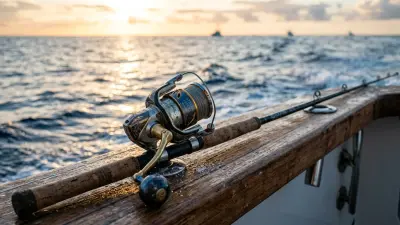
For beginners, a spinning combo is the way to go. A spinning reel is an open-faced reel where the spool remains stationary, and a bail arm rotates around it to wind the line. They are user-friendly, great for casting lighter baits and lures, and less prone to backlashes than baitcasting reels. Pair this with a medium to medium-heavy action spinning rod, typically 7 to 8 feet long. This length gives you good casting distance from shore or a pier, and the medium-heavy action provides enough backbone to fight feisty saltwater fish while still being sensitive enough to detect subtle bites. A good starting reel size is a 4000 to 5000 series. These reels offer a good balance of line capacity and drag power – the resistance the reel applies to a fish pulling line – without being overly heavy. Look for models with good corrosion resistance; many brands offer "saltwater series" reels designed for the harsh environment.
Budget-Friendly Recommendation: For a solid beginner setup, consider combos like the Penn Battle III or Shimano Sedona series paired with a matching rod. You can often find a decent 7-foot medium-heavy spinning combo in the $100-$200 range that will serve you well for years. Don't feel pressured to buy the most expensive gear; consistent practice and knowing your local waters will yield far better results than fancy equipment alone.
Line, Leader, and Terminal Tackle: The Business End
Your fishing line connects your rod and reel to the fish. For saltwater beginners, I recommend starting with 20-pound test braided line. Braided line is made of multiple synthetic fibers woven together, making it incredibly strong for its diameter, very sensitive, and excellent for casting. Because it's so thin and strong, you'll need to tie on a leader, which is a short section (typically 2-4 feet) of monofilament or fluorocarbon line tied to the end of your main braided line. A 20-25 pound test fluorocarbon leader is ideal. Fluorocarbon is nearly invisible underwater, more abrasion-resistant than monofilament, and has less stretch, improving sensitivity. It acts as a shock absorber and protects your main line from sharp teeth or rough structures.
For terminal tackle, you'll need:
- Hooks: Size 1/0 to 3/0 circle hooks or J-hooks. Circle hooks are excellent for beginners and sustainable fishing; they are designed to hook fish in the corner of the mouth, reducing gut-hooking and making catch and release easier.
- Weights: Pyramid sinkers (1-3 oz) for sandy bottoms on beaches, egg sinkers (1/2-2 oz) for bottom rigs, and split shot weights for lighter presentations.
- Swivels: Barrel swivels or snap swivels (size 7-10) to connect your main line to your leader or rig, preventing line twist.
- Pliers/Forceps: Essential for removing hooks and cutting line.
- Scissors or Line Cutter: For cleanly cutting braided line.
- Measuring Tape/Scale: To ensure you adhere to local size and bag limits.
Bait, Lures, and Presentation: What Fish Eat and How to Offer It
Knowing what to put on your hook is half the battle. Saltwater fish have diverse diets, and what works best often depends on your target species and location. As a beginner, focusing on readily available and effective options is smart.
Live Bait: The Natural Advantage
Nothing beats fresh, live bait for many saltwater species. It's natural movement and scent often prove irresistible.
- Shrimp: The universal candy of the sea! Live shrimp (fished on a small hook under a float or on a bottom rig) will catch almost anything – Redfish, Speckled Trout, Flounder, Pompano, Sheepshead, Croaker. Hook them lightly through the tail or the horn on their head.
- Squid: Fresh or frozen squid strips are fantastic for bottom fishing, especially for Snapper, Grouper, and various panfish. Their tough texture keeps them on the hook well.
- Small Baitfish: Mullet, pinfish, or pilchards can be caught with a cast net or purchased. Fished live, they're irresistible to larger predators like Redfish, Snook, and even Tarpon (if you're feeling ambitious!).
Artificial Lures: Active and Exciting
Lure fishing is more active and can be incredibly rewarding. It involves mimicking baitfish or crustaceans with artificial presentations.
- Soft Plastics: These are incredibly versatile. Paddle tails, grub tails, and jerk shads in natural colors (e.g., clear with glitter, white, chartreuse) are great for Speckled Trout, Redfish, and Flounder. Rig them on a jig head (1/8 oz to 1/2 oz, depending on depth and current).
- Spoons: Metal spoons that wobble and flash are deadly for Spanish Mackerel, Bluefish, and sometimes Redfish. Cast them out and retrieve steadily.
- Jigs: Bucktail jigs (with a lead head and hair or synthetic fibers) and lead-head jigs with soft plastic trailers are effective for many species, especially when bounced along the bottom or retrieved with a "jigging" motion.
- Topwater Lures: These lures float and are designed to create a disturbance on the surface, mimicking an injured baitfish. A topwater lure, like a "walk-the-dog" style plug, can create explosive strikes from Speckled Trout and Redfish during low-light conditions.

Where and When to Cast Your Line: Finding Fish in the Big Blue
Unlike freshwater fishing where you might look for submerged logs or weed lines, saltwater fishing often relies on understanding tides, currents, and structural features that attract baitfish, and thus, game fish.
Prime Fishing Spots for Beginners
You don't need a boat to catch great saltwater fish. Many excellent spots are accessible from shore:
- Piers and Jetties: These structures extend into deeper water, providing access to migratory fish and attracting baitfish. Fish both sides – the calmer "lee" side and the more active "ocean" side.
- Beaches: Look for "gutters" or "troughs" – deeper channels running parallel to the shore, often visible at low tide. These are pathways for fish like Pompano, Whiting, and Redfish. Cast beyond the breaking waves into these troughs.
- Inshore Flats and Estuaries: These shallow, often grassy areas are nurseries for many species and excellent places to target Redfish, Speckled Trout, and Flounder, especially if you can wade or fish from a kayak.
- Mangrove Edges and Docks: Mangroves and dock pilings provide cover and food sources. Fish along these edges for Snook, Redfish, and Sheepshead.
Tides and Seasons: Timing is Everything
The tide is your best friend in saltwater fishing. Moving water, whether incoming or outgoing, typically means feeding fish. The currents created by the tides move baitfish, concentrate nutrients, and make predators more active.
- Best Tide Stages: The two hours leading up to and the two hours following a high or low tide are often the most productive. This is when the water is moving most vigorously.
- Understanding Tide Charts: Before you head out, check a local tide chart (easily found online or via fishing apps). Pay attention not just to the times of high and low tide, but also the "tidal swing" – the difference in water height. A larger swing usually means stronger currents and better fishing.
Seasonal patterns also play a significant role:
- Spring: Many fish move into shallower waters to spawn or feed on newly abundant bait. Excellent time for Speckled Trout, Redfish, and Flounder in estuaries.
- Summer: Fish may seek deeper, cooler water during the hottest parts of the day. Early morning and late evening (dawn/dusk) are prime times for inshore species. Night fishing can also be very productive for Snook and Tarpon.
- Fall: Often considered the best fishing season. As water temperatures cool, many species go on a "feeding frenzy" to bulk up for winter, and baitfish migrate, leading to incredible action.
- Winter: Fish typically move to deeper, more stable water. Finding warmer pockets in canals or protected bays can be key.
Essential Techniques & Troubleshooting: From Knot Tying to Untangling
Even seasoned anglers face challenges, but knowing a few fundamental techniques and how to handle common problems will boost your confidence immensely.
Must-Know Knots for Saltwater Anglers
Mastering a few reliable knots is non-negotiable. Practice these at home until you can tie them quickly and correctly:
- Improved Clinch Knot: Your go-to for tying your leader to a hook, swivel, or lure. It's strong and relatively easy to learn.
- Palomar Knot: An incredibly strong and reliable knot, especially excellent for braided line to a swivel or lure. It's my personal favorite for its strength and ease of tying once you get the hang of it.
- Uni Knot (or Double Uni Knot): This is a versatile knot often used to tie your main line to your leader (the "leader knot"), but can also be used for tying to hooks and swivels. The Double Uni is particularly strong for connecting two lines of different types or diameters.
Casting & Hook Setting Basics
Casting: For beginners, the basic overhead cast is fundamental. Hold the rod with your dominant hand, about 12-18 inches of line hanging from the rod tip. Point the rod tip at your target, bring the rod smoothly back over your shoulder (to about 1 o'clock), then quickly but smoothly bring it forward, releasing the line with your index finger as the rod reaches about 10 o'clock. Practice in an open field to build muscle memory and accuracy.
Setting the Hook: When you feel a bite – a thump, a subtle tap, or the line starting to move – don't just yank. Instead, swiftly and firmly lift the rod tip upwards and slightly to the side, maintaining tension. This motion drives the hook into the fish's mouth. With circle hooks, often a slow, steady reel-in is all that's needed; the fish hooks itself as it swims away.
Common Mistakes and Quick Fixes
Even the pros make mistakes. Here's how to avoid common beginner pitfalls:
- Not Checking Your Line: Before and during your trip, inspect your line, especially the leader, for nicks, abrasions, or frays. Saltwater fish often have rough mouths or rub against structures. A weak spot means a lost fish. Re-tie or cut out damaged sections.
- Ignoring Tides and Conditions: Fishing against the tide or during slack water (when the tide isn't moving) can be futile. Always consult tide charts and pay attention to wind and current.
- Improper Hook Setting: A weak hook set or, conversely, setting the hook too hard with a circle hook can lead to missed fish. Learn the right touch for your chosen hook type.
- Tangles (Bird's Nests): These happen to everyone, especially with spinning reels if you spool the line incorrectly or cast too aggressively. To fix, patiently pick out the loops. If it's severe, sometimes cutting out the tangled section and re-tying is faster than fighting it. Using a quality line and not overfilling your spool helps prevent them.
- Snags: Lures and hooks inevitably get snagged on rocks, shells, or debris. If you get stuck, try pulling the line taut, then gently bouncing the rod tip. Sometimes changing your angle of pull can free it. If not, you'll likely have to break the line, which is why having extra terminal tackle is crucial.
Sustainable Practices & Safety First: Be a Responsible Angler
Fishing isn't just about catching fish; it's about preserving the environment and ensuring future generations can enjoy the same experiences. Being a responsible angler is paramount.
Protecting Our Oceans and Fish Stocks
- Know Your Regulations: Before you cast a single line, understand local fishing licenses, size limits, bag limits (how many fish you can keep), and seasonal closures for the species you might encounter. These rules are in place to protect fish populations.
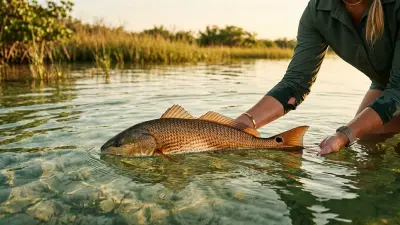
- Practice Catch and Release: For fish you don't intend to eat or that are undersized/oversized, practice ethical catch and release. Handle fish as little as possible with wet hands to protect their slime coat, use barbless hooks (or pinch down the barb on regular hooks with pliers) for easier, less damaging removal, and release the fish quickly and gently.
- Respect the Environment: Pack out everything you pack in. Never leave trash, especially fishing line, which can be deadly to wildlife. Avoid disturbing sensitive habitats like seagrass beds or coral reefs.
Safety on the Water
Saltwater environments can be unpredictable. Always prioritize safety:
- Sun Protection: The sun's reflection off the water is intense. Wear a wide-brimmed hat, polarized sunglasses (essential for seeing fish and structure underwater!), and use high SPF sunscreen.
- Hydration: Bring plenty of water, especially on hot days. Dehydration can quickly ruin a trip.
- Awareness of Surroundings: Be mindful of waves, currents, slippery surfaces on piers or rocks, and other boaters or anglers. If fishing from a boat, always wear a life jacket.
- Sharp Objects: Hooks, knives, and fish spines can cause injuries. Handle them with care. Pliers are your friends for hook removal.
What to Do This Weekend: Your First Saltwater Fishing Adventure!
You've got the knowledge, now it's time for action! This weekend, take the plunge into saltwater fishing. Start by:
- Researching Your Local Spot: Use online maps, local fishing forums, or even visit a local bait and tackle shop. Ask about productive piers, beaches, or shorelines in your area, and what fish are biting.
- Checking Tide Charts & Weather: Plan your trip around favorable tide times and good weather.
- Assembling Your Gear: Grab that 7-8 ft medium-heavy spinning combo, spool it with 20lb braid, tie on a 20-25lb fluorocarbon leader, and rig up a simple bottom rig with a 1/0 circle hook and an egg sinker. Don't forget pliers, sunscreen, and water!
- Buying Bait: Stop by the tackle shop for a few dozen live shrimp.
- Heading Out: Find your chosen spot, cast out, and enjoy the experience. Don't be afraid to ask friendly fellow anglers for advice – most are happy to share tips, especially if you're respectful.
Saltwater fishing is a journey, not a destination. You'll learn something new every time you go out. Embrace the learning curve, stay persistent, and most importantly, have fun. The ocean is calling, and a whole new world of adventure awaits. See you on the water!