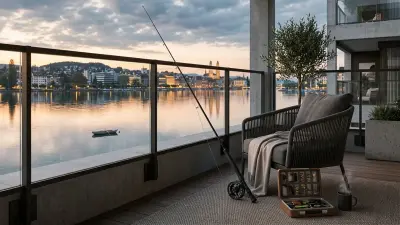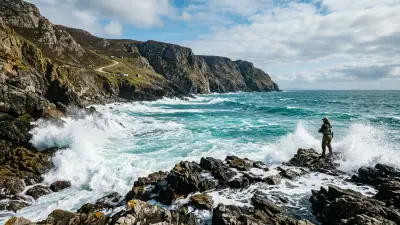
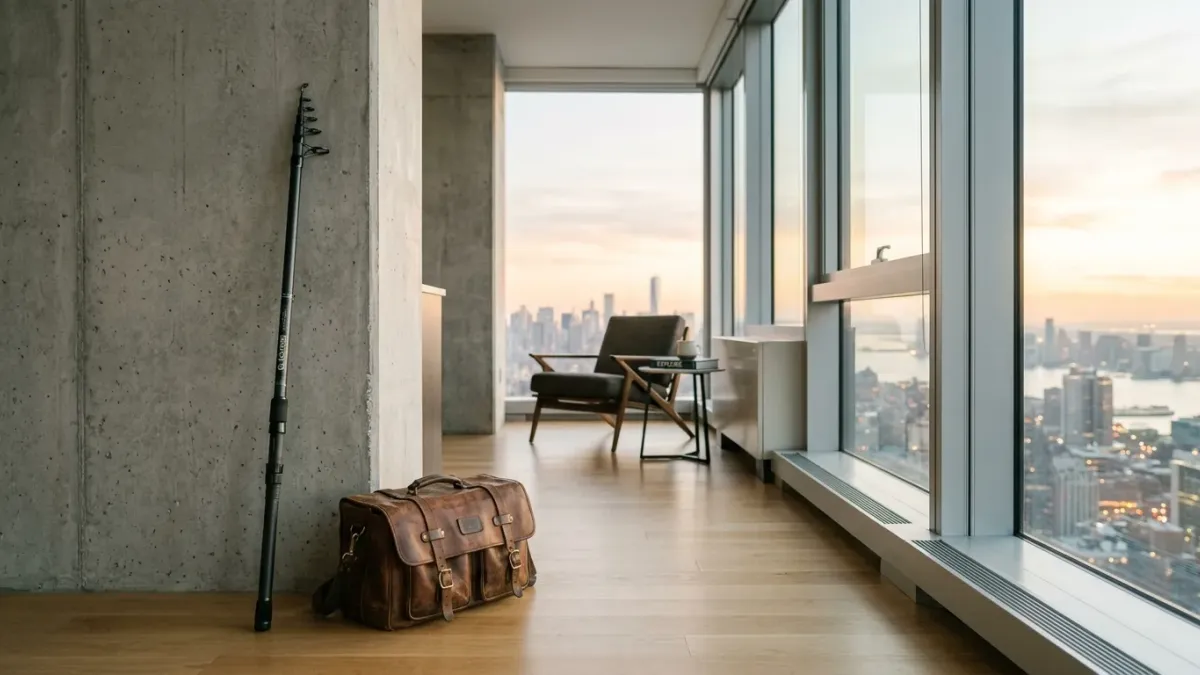
Living in an apartment, surrounded by concrete and the city buzz, you might think fishing is a distant dream reserved for those with sprawling backyards and boats. But let me tell you, that couldn't be further from the truth! As a fishing fanatic who's spent over two decades chasing fish in every nook and cranny, from bustling city piers to quiet urban ponds, I know firsthand that you don't need a huge garage or a fancy boat to enjoy the thrill of the catch. Fishing is an incredible way to de-stress, connect with nature, and find peace, even if your "backyard" is a balcony.
This guide is crafted specifically for you, the apartment dweller or busy office worker yearning for a weekend escape. We're going to break down everything you need to know, from picking your first rod to finding surprisingly productive fishing spots just a stone's throw from your front door. Get ready to swap screen time for sun time, because your fishing adventure starts now!
Gear Up Smart: Your Compact & Budget-Friendly Arsenal
The beauty of urban fishing is that you don't need a truckload of expensive gear. Our goal here is efficiency and portability. You want a setup that can easily fit in a closet, ride on public transport, or slide into the trunk of a small car.
The Perfect Beginner Combo: Rod, Reel, and Line
- Rod: For versatility and ease of transport, I highly recommend a 6 to 7-foot medium-action spinning rod. A "spinning rod" is designed to be used with a spinning reel, featuring guides on the underside of the blank and a reel seat that positions the reel below the rod. This length offers good casting distance for ponds and canals but is still manageable in tighter spots. Medium action means it has a good balance of backbone to handle decent-sized fish and enough flex to cast lighter baits.
- Reel: Pair that rod with a 2500 to 3000 size spinning reel. A "spinning reel" is the most common and easiest type of reel for beginners to learn. It sits underneath the rod, and line peels off a fixed spool when casting. These sizes are perfect for handling common freshwater species like bass, trout, and panfish, and even smaller saltwater fish if you're near the coast. Look for brands like Daiwa, Shimano, or Penn – they all have excellent entry-level options for under $70.
- Line: For beginners, 6 to 12-pound monofilament line is your best friend. "monofilament line" is a single-strand fishing line, typically made of nylon. It's affordable, easy to tie knots with, and has a bit of stretch, which can be forgiving when you're learning. Higher pound test (e.g., 10-12 lb) is good for slightly larger fish or snaggy areas, while lower pound test (6-8 lb) is more sensitive for smaller bites.
Essential Tackle Box (or Bag) Checklist
Forget the massive tackle box; we're thinking compact. A small shoulder bag or even a sturdy fanny pack can hold everything you need. Here's what to toss in:
- Hooks: A variety pack of sizes 4, 2, 1, and 1/0 is a great start.
- Sinkers: Small split-shot weights and a few 1/8 to 1/4 oz egg sinkers will cover most situations.
- Bobbers: Small clip-on or slip bobbers are fantastic for seeing bites and keeping your bait at a specific depth.
- Swivels: Small barrel swivels (size 10-12) prevent line twist.
- Pliers/Line Cutter: A small pair of multi-tool pliers is invaluable for removing hooks and cutting line.
- Bait: Live worms (nightcrawlers) are universally effective and easy to find.
- Small First Aid Kit: Always a good idea for minor cuts or hook pokes.
- Trash Bag: Always pack out what you pack in!
For example, imagine this situation: You're walking to your local park pond, rod tucked under your arm, and your small backpack holds all your essentials. No bulky gear, no complicated setup – just grab and go. That's the freedom we're aiming for!
Finding Your Urban Fishing Oasis
You might be surprised by how many fishable waters are lurking nearby. You don't need to drive hours to a remote lake to find good fishing. The key is knowing where to look and what to look for.
Where to Cast Your Line in the City
- Local Parks and Ponds: Many city parks feature ponds stocked with panfish (bluegill, sunfish), bass, and sometimes even trout or catfish. These are often easily accessible and a great place to start.
- Rivers and Canals: Urban rivers and canals can hold a surprising variety of species. Look for public access points, bridges, or pathways along the banks.
- Piers and Jetties: If you live near the coast, piers are goldmines for apartment dwellers. You can often catch a wide range of saltwater species like snapper, croaker, flounder, and mackerel without needing a boat.
But what would you do in this situation if you don't know where to start looking? This is where modern tools come in handy. Utilize Google Maps to scout for blue patches of water near your home. Look for public access points, parking, and trails. Beyond that, state wildlife agency websites are incredibly helpful, often listing public fishing areas, stocking schedules, and local regulations. A quick search for "fishing near [your city]" can reveal hidden gems.
Understanding Local Regulations & Sustainable Practices
Before you even make your first cast, you need a fishing license. This is non-negotiable and supports conservation efforts. You can usually purchase one online through your state's wildlife department or at local bait shops. Familiarize yourself with local regulations: catch and release areas, size limits, and bag limits. It's crucial to practice sustainable fishing. This includes catch and release for species you don't intend to eat or those below legal size, using barbless hooks (or crimping down barbs with pliers) to minimize harm, and always disposing of your trash properly. We want to ensure these urban oases remain healthy for future generations of fish and anglers.

Mastering the Basics: Knots, Bait, and Casts
Don't be intimidated by the technical jargon. Fishing, at its core, is simple. You put bait on a hook, get it in the water, and wait for a fish to bite. Let's cover the absolute essentials to get you started confidently.
Knots That Hold: Improved Clinch & Palomar
You only need to learn a couple of reliable knots to get started. A "knot" in fishing is how you secure your line to your hook, swivel, or lure. Forget the fancy stuff for now; these two will serve you well:
- Improved Clinch Knot: This is arguably the most common and easiest knot for beginners. It's excellent for tying your line directly to a hook, swivel, or lure. It's strong and simple to learn.
- Palomar Knot: A bit more advanced but incredibly strong, especially for attaching lures or swivels. Many anglers, myself included, swear by it for its reliability. It's also great if you decide to experiment with braided line down the road.
Practice these at home with a piece of string and a paperclip. Repetition is key! In my opinion, mastering just one good knot is more important than knowing ten average ones. A failed knot means a lost fish, and nobody wants that.
Baiting Up: What Fish Love to Eat
Matching your bait to the local fish is half the battle. Here are some universal favorites:
- Live Worms (Nightcrawlers/Red Wigglers): The undisputed champion for freshwater beginners. Bass, trout, catfish, perch, bluegill – pretty much everything eats worms. They're cheap, easy to find at bait shops or even your local grocery store, and incredibly effective.
- Corn & Bread: Excellent for panfish like bluegill and carp. Simply pinch a kernel of corn or a small piece of bread onto your hook.
- Shrimp (Fresh or Frozen): If you're fishing in saltwater, peeled shrimp is a fantastic bait for a huge variety of species, from snapper to croaker.
For lures, start simple. A few small spinners (like Mepps or Rooster Tail) or some soft plastic worms (Texas-rigged) can be very effective for bass and trout. Remember, presentation is often more important than the specific lure.
Your First Cast: Simple and Smooth
Casting a spinning rod is straightforward. Hold the rod, open the bail (the metal arm on the reel that holds the line), grip the line with your index finger, and gently swing the rod forward, releasing the line at the peak of your forward motion. Practice in an open area without a hook first. Focus on a smooth, controlled motion rather than brute force. You'll get the hang of it quicker than you think.
Your First Trip & Troubleshooting Common Snags
You've got your gear, you know your spot, and you've practiced your knots. Now it's time for the real fun!
Planning Your Day & On-the-Water Tips
Keep your first few trips short and sweet, maybe 2-3 hours. Check the weather, pack water, snacks, sunscreen, and bug spray. When you get to your spot, take a moment to observe. Are there any fish jumping? Any structure in the water (logs, rocks, lily pads) where fish might hide? Cast near these areas. Be patient! Fishing is often a game of waiting. When you feel a tug, quickly but firmly lift your rod tip to "set the hook."
Common Beginner Mistakes & Quick Fixes
We've all been there! Don't get discouraged by these common issues:
- Tangles (The "Bird's Nest"): This happens to everyone, especially when learning to cast. A "bird's nest" is a tangled mess of fishing line on your reel, usually caused by improper casting technique or loose line. Don't yank it! Gently pick at the loops with your fingers or a pick. Sometimes, cutting a tangled section of line is faster than trying to untangle it.
- Lost Fish: Fish get off the hook. It's part of the game. Don't blame yourself. Review your hook-setting technique or consider a slightly sharper hook next time.
- No Bites: Move around! Fish aren't everywhere. Try different depths, different baits, or different spots along the bank. Persistence pays off.
Honestly, the biggest mistake beginners make is overthinking it or getting frustrated too quickly. Fishing is meant to be relaxing. Enjoy the process, the fresh air, and the simple act of being outdoors.
What to do this weekend:
Your mission, should you choose to accept it, is to take the first step! Look up your state's fishing license requirements and purchase one online. Then, open Google Maps and scout for a local park pond, river access, or pier within easy reach of your apartment. Stop by a local bait shop (or even a big box store) and pick up a basic 6-7ft spinning combo, some worms, hooks, and sinkers. You're officially ready to cast your worries away and reel in some urban tranquility. The fish are waiting, and your next great adventure is just a short trip from your front door!