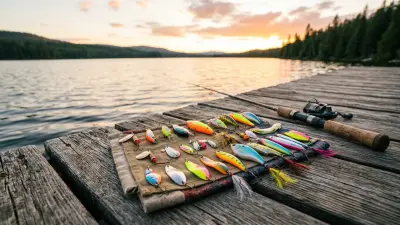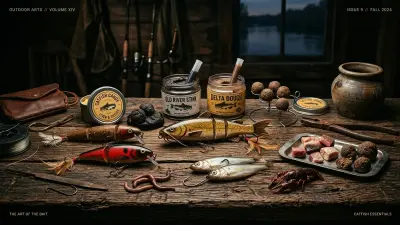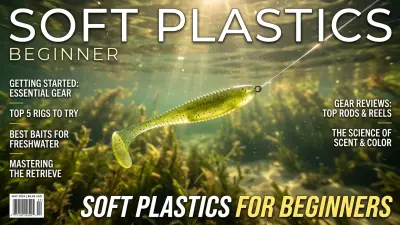
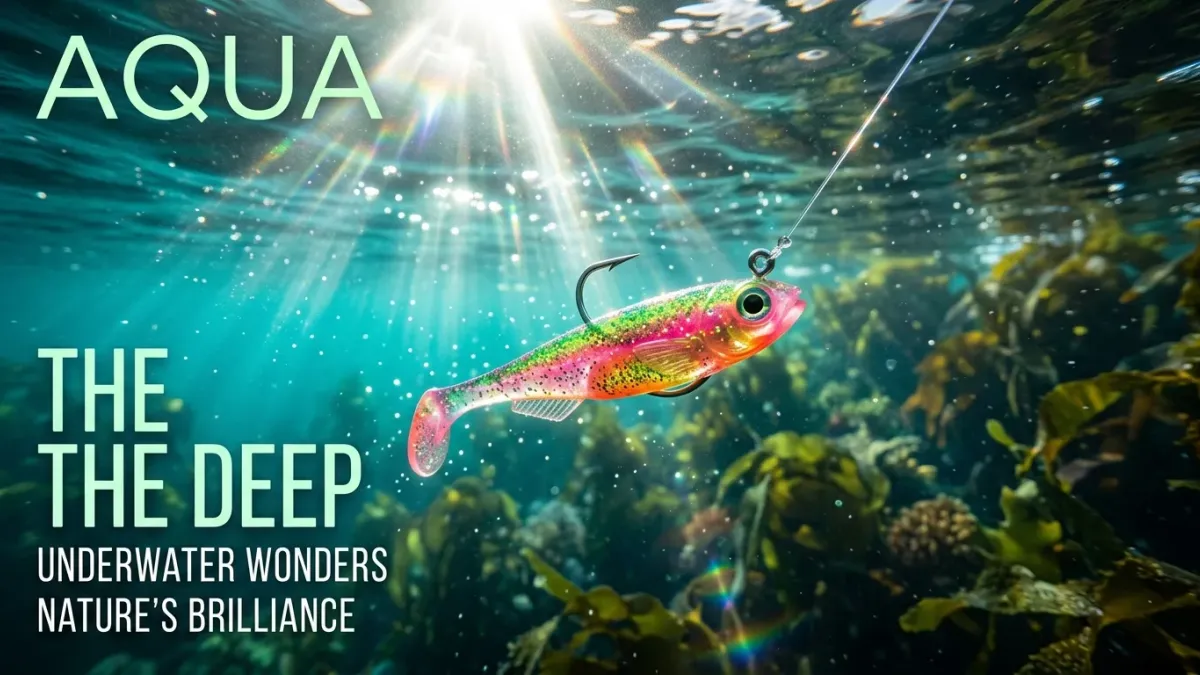
Ever felt overwhelmed by the sheer number of fishing lures out there? What if I told you there's a category of lure that's incredibly versatile, super effective, and surprisingly simple for beginners to master? Enter soft plastics – the unsung heroes of many an angler's tackle box, and a true game-changer for anyone wanting to catch more fish without the fuss of live bait.
Why Soft Plastics Are a Game Changer for Beginners
For newcomers to fishing, the idea of handling live worms or minnows can be a bit daunting, and let's be honest, sometimes a little messy. This is where soft plastics shine brightest. They offer all the realistic appeal of live bait – mimicking minnows, worms, crawfish, and more – but with the convenience and durability of a manufactured lure.
So, what exactly are soft plastics? Simply put, they are flexible, molded lures made from soft PVC plastic, designed to imitate natural prey items. Their key advantage lies in their lifelike texture and movement in the water, making them incredibly enticing to a wide variety of fish species. You can rig them in countless ways, adapting to different fishing conditions and target fish.
Honestly, I've seen countless beginners get their first real "aha!" moment with these lures. For example, imagine this situation: my friend Sarah, who’d never cast a rod in her life, came out with me to a local pond. We rigged a simple plastic worm, and within an hour, she landed her first largemouth bass – a moment of pure joy and astonishment. It wasn't complicated, just incredibly effective, and proved that fishing doesn't need to be intimidating.
Beyond their effectiveness, soft plastics are also remarkably cost-effective compared to many hard baits, and they can withstand a few bites before needing replacement. This means you can experiment more, fish longer, and worry less about losing an expensive piece of gear when you're just starting out.

Decoding the Soft Plastic Arsenal: Essential Types You Need
When you walk into a tackle shop, the array of soft plastics can be overwhelming. Don't sweat it! You don't need every shape and size. For beginners, focusing on a few key types will cover most of your bases and help you catch a ton of fish. Think of these as your go-to options for a variety of scenarios.
- Plastic Worms: These are probably the most iconic soft plastic, especially for bass fishing. They come in many styles, from long, thin "straight worms" to thicker, cylindrical "Senko" style worms. A Senko is a thick, often salt-impregnated plastic worm known for its natural wiggling fall, making it irresistible to bass.
- Grubs: Often featuring a small, compact body and a thin, curling tail (a curly tail grub), these are incredibly versatile. They're fantastic for panfish like crappie and bluegill, but also effective for bass, trout, and even some saltwater species.
- Creature Baits / Craws: Designed to imitate crawfish or other aquatic critters, these lures often have appendages that flutter and wave in the water. A craw is a soft plastic specifically designed to look like a crawfish, with claws that move enticingly, making them perfect for bottom-dwelling fish, especially bass.
- Swim Baits: These are molded to resemble small baitfish and often have a paddle-shaped tail (a paddle tail swimbait) that creates a tempting swimming action as you retrieve it. They're excellent for covering water and targeting fish that feed on minnows, like bass, pike, and many saltwater species.
When picking colors, a good rule of thumb is to match the hatch – what prey items are in your local water? For clear water, natural colors like green pumpkin, watermelon, or shades of brown and black are usually best. If the water is murky or stained, brighter colors like chartreuse, white, or junebug can stand out better and attract attention.
Rigging Up: Simple Setups for Soft Plastic Success
The real magic of soft plastics isn't just the bait itself, but how you present it to the fish. Don't worry, you don't need to be a knot-tying wizard or an advanced angler to get started. I’m going to show you three super simple and effective ways to rig soft plastics that will help you catch fish right away.
The Classic Texas Rig
This is arguably the most popular and versatile way to rig a plastic worm or creature bait, especially when fishing around weeds or cover, because it's virtually weedless. It's a go-to for bass anglers.
- First, slide a small bullet weight (a cone-shaped lead or tungsten weight, typically 1/8 oz to 1/4 oz for beginners) onto your fishing line.
- Next, tie on an offset hook (a hook with a Z-bend near the eye that helps keep the plastic straight and secure). The Improved Clinch Knot or Palomar Knot (both easy to learn) work great here.
- Now, take your soft plastic worm. Insert the hook point into the very tip of the worm, just about 1/4 inch, and push it through.
- Slide the worm up the hook shank until it passes the "offset" bend and the eye of the hook is buried in the plastic.
- Rotate the hook 180 degrees so the point is facing the worm's body.
- Measure where the hook point would naturally exit the worm so it lies straight. Push the hook point through the worm's body and gently embed the tip back into the plastic, making it weedless.
This setup allows the weight to slide freely, giving the lure a natural fall. It's fantastic for probing submerged brush, grass, and other snags where fish like to hide.
Wacky Rigging for Finicky Fish
This is probably the simplest rig you can master, and it's incredibly effective, especially for bass that are a bit shy or in clear water. It creates a mesmerizing, natural wiggle that fish find hard to resist.
- Take a Senko-style worm (the thick, cylindrical type works best).
- Simply insert your hook directly through the middle of the worm's body. That’s it!
When it falls, both ends of the worm wiggle independently, looking like a dying baitfish. It's a slow presentation, but boy, does it work!
Jig Head Presentation
This is another super simple and effective method, particularly good for grubs and paddle tail swimbaits, and excellent for targeting a wider range of species from perch to trout to bass.
- Take a jig head (a hook with a weighted lead or tungsten head, typically 1/16 oz to 1/4 oz for beginners).
- Thread your grub or swimbait onto the jig head. Insert the hook point into the nose of the soft plastic.
- Push the plastic up the hook shank, making sure it slides over the small lead keeper barb on the jig head (if it has one).
- Bring the hook out of the plastic so that the soft plastic sits straight and flush against the jig head.
The jig head provides weight for casting and allows for easy retrieves, making the soft plastic come alive with a simple reeling motion.
For most freshwater soft plastic applications, a 6-7 ft medium-power spinning rod paired with a 2500-3000 size spinning reel is perfect. Spool it with 8-10 lb monofilament line (a single strand of nylon, easy to tie, good stretch) for ease of use and good knot strength. If you want more sensitivity and casting distance, try a 15 lb braided line (multiple synthetic strands woven together, very strong, thin, no stretch) with a fluorocarbon leader (a nearly invisible line tied to your main line, good abrasion resistance and low visibility).
| Rigging Method | Soft Plastic Type | Target Fish | Best Conditions | Key Benefit |
|---|---|---|---|---|
| Texas Rig | Worms, Craws | Bass, Pike | Weeds, Heavy Cover | Weedless Presentation |
| Wacky Rig | Senko-style Worms | Bass, Trout | Clear Water, Finicky Fish | Natural Flutter on Fall |
| Jig Head | Grubs, Swim Baits | Perch, Trout, Bass, Walleye | Open Water, Deeper Areas | Versatile, Easy Retrieve |
Mastering the Retrieve: Bringing Soft Plastics to Life
So far, we've covered what soft plastics are and how to rig them. Now let's get to the really critical point: making them move like something alive in the water. Honestly, this is where many beginners miss out on potential bites, simply by not understanding how to impart action. But how do you make a piece of plastic look like a living meal?
The secret is to think like a struggling or unaware baitfish, a crawling crawfish, or an easy meal. Your rod tip and reel become the puppet strings. Avoid just casting out and reeling straight back in; while that works for some lures, soft plastics thrive on subtlety and realism.
Let me add something here: the most effective retrieves for soft plastics often involve pauses. Fish are ambush predators; they often strike when their prey looks vulnerable or is trying to escape. A sudden stop or change in direction can trigger that reaction bite.
- The Drag-and-Pause (for Texas Rigs and Craws): Cast your Texas-rigged worm or craw out, let it sink to the bottom. Once it's down, slowly drag your rod tip horizontally a few feet, then pause. Reel in the slack, and repeat. Most bites will happen on the pause, as the lure settles.
- The Twitch-and-Fall (for Wacky Rigs and Jig Heads): This retrieve works wonderfully for wacky rigs and jig head presentations with grubs or swimbaits. Cast out, let it sink to your desired depth. Then, give your rod tip a gentle twitch or two, just enough to make the lure jump. Immediately let the line go slack and let the bait fall naturally. Reel in slack and repeat.
- The Steady Retrieve (for Jig Head Swim Baits): While less dynamic, a slow, steady retrieve with a paddle tail swimbait on a jig head is incredibly effective. The paddle tail does all the work, creating a tempting vibration and swimming motion. Vary your speed until you find what the fish prefer.
Remember, fish are often looking for something easy to eat. A frantic, unnatural retrieve can often scare them off. Sometimes, less is more. Experiment with different speeds and pauses until you find what triggers a strike.
Common Soft Plastic Mistakes & How to Avoid Them
Based on my experience, even seasoned anglers can make these blunders, so don't feel bad! But knowing them upfront will save you a lot of frustration and help you get more bites, faster.
- Not Rigging Correctly: An improperly rigged soft plastic that's twisted, balled up, or has an exposed hook point (when it should be weedless) will look unnatural and drastically reduce your chances of a bite. Take your time to ensure your lure is straight and sits flush against the hook.
- Reeling Too Fast: This is probably the number one mistake beginners make with soft plastics. Many types of soft plastics, especially worms, are designed to work slowly. Reeling too quickly often pulls the lure out of the strike zone or makes it look unnatural. Slow down! Give the fish time to see it, follow it, and commit.
- Ignoring the Fall: A significant number of bites on soft plastics happen as the lure is sinking or "falling" through the water column. Many beginners miss these subtle strikes because they aren't paying attention to their line during the fall. Watch your line where it enters the water for any twitch, jump, or sideways movement – that's often a bite!
- Using the Wrong Weight: The weight you use (especially with Texas rigs or jig heads) significantly impacts the lure's action. Too heavy, and it sinks unnaturally fast, blowing past the fish. Too light, and you can't cast it effectively or feel the bottom. Start with lighter weights (1/8 oz to 1/4 oz) and adjust based on depth, wind, and current.
- Monotonous Presentation: If you're casting out and doing the exact same retrieve repeatedly without success, you're missing an opportunity. Fish are not always in the same mood. Vary your retrieve speed, the length of your pauses, and the amount of twitching. Experimentation is key to figuring out what the fish want on any given day.
Patience and observation are your best tools when fishing with soft plastics. Pay attention to how the lure feels and reacts in the water, and don't be afraid to change things up!
Sustainable Soft Plastic Practices for a Healthy Future
We all love the thrill of fishing, and to ensure future generations can enjoy it just as much, we need to be responsible stewards of our waterways. Soft plastics, while incredibly effective, have a unique environmental consideration that every angler should be aware of.
Proper Disposal is Key: Unlike organic bait, soft plastics are not biodegradable. If lost or discarded in the water, they can persist for a very long time and pose a threat to wildlife. Always make it a habit to pocket any used or torn soft plastics and dispose of them properly in a trash can at home or at a designated recycling point if available. Never leave them on the shore or toss them into the water.
Minimize Loss: While snags are an inevitable part of fishing, especially when using bottom-bouncing soft plastics, try to minimize losing lures. Using weedless rigs like the Texas rig can help significantly. If you do get snagged, take a moment to try and free your lure safely rather than just breaking off. Some manufacturers are also starting to produce biodegradable or more environmentally friendly soft plastic alternatives, which are worth exploring.
Catch and Release with Care: If you're practicing catch and release, consider using barbless hooks for your soft plastics (or simply pinch down the barb on a regular hook with pliers). This makes hook removal much easier and reduces stress and injury to the fish, boosting their survival rates. Handle fish gently, keep them in the water as much as possible, and release them quickly to ensure they swim away strong.
By following these simple practices, you're not just a fish hunter, but also a protector of the aquatic environment that provides us with so much joy.
Frequently Asked Questions
What colors should I start with?
For clear water, natural colors like green pumpkin, watermelon, or black and blue are excellent choices that mimic natural prey. In murky or stained water, opt for brighter colors such as chartreuse, white, or junebug, which provide better visibility to the fish.
Do soft plastics work in saltwater?
Absolutely! Many soft plastics, especially paddle tail swimbaits and grub tails rigged on jig heads, are incredibly effective for a wide range of saltwater species including snappers, redfish, speckled trout, and flounder. Just ensure your hooks and jig heads are designed for saltwater use to prevent corrosion.
How do I know when a fish bites a soft plastic?
It's often subtle. You might feel a light "tap" or "thump," a spongy resistance, or suddenly see your line twitch or start moving sideways. Sometimes it feels like your line just gets "heavy." Any unusual sensation should prompt you to set the hook firmly!
How long do soft plastics last?
The durability varies greatly depending on the brand, material, and how aggressive the fish are. Softer plastics like Senkos might only last for one or two fish before they tear. Tougher creature baits or swimbaits can often endure many catches. It's always a good idea to bring a variety and plenty of spares!
There you have it – your comprehensive guide to unlocking the secret power of soft plastics! These versatile lures are truly a beginner's secret weapon, offering endless possibilities for exciting catches without needing a complicated setup. So grab some soft plastics, rig them up simply, and get ready to experience some truly thrilling bites this weekend. At Fish Hunter, we believe fishing should be easy and rewarding, and soft plastics deliver exactly that.