Hey there, fellow anglers and future fish hunters! For over two decades, I’ve had my hands on countless rods, reels, and tackle boxes, experiencing the thrill of the bite on everything from serene freshwater lakes to the salty chaos of ocean piers. Fishing has always been a journey of learning and adaptation, but lately, the pace of innovation has been astounding. It’s no longer just about a hook and a line; the future of fishing gear is here, and it’s making our beloved hobby more accessible, more enjoyable, and crucially, more sustainable than ever before. Whether you’re an apartment dweller dreaming of your first cast or an office worker looking for that perfect weekend escape, these advancements are designed to get you on the water with less hassle and more success.
Making Angling Easier: Smart Tech & User-Friendly Innovations
Remember the days of endless tangled lines or guessing where the fish might be hiding? Well, many of those frustrations are becoming relics of the past thanks to some incredible advancements in fishing technology. Modern gear is being designed with the angler, especially the beginner, firmly in mind, focusing on intuitive features that cut down on the learning curve and ramp up the fun factor. It’s like having a seasoned guide right in your tackle box!
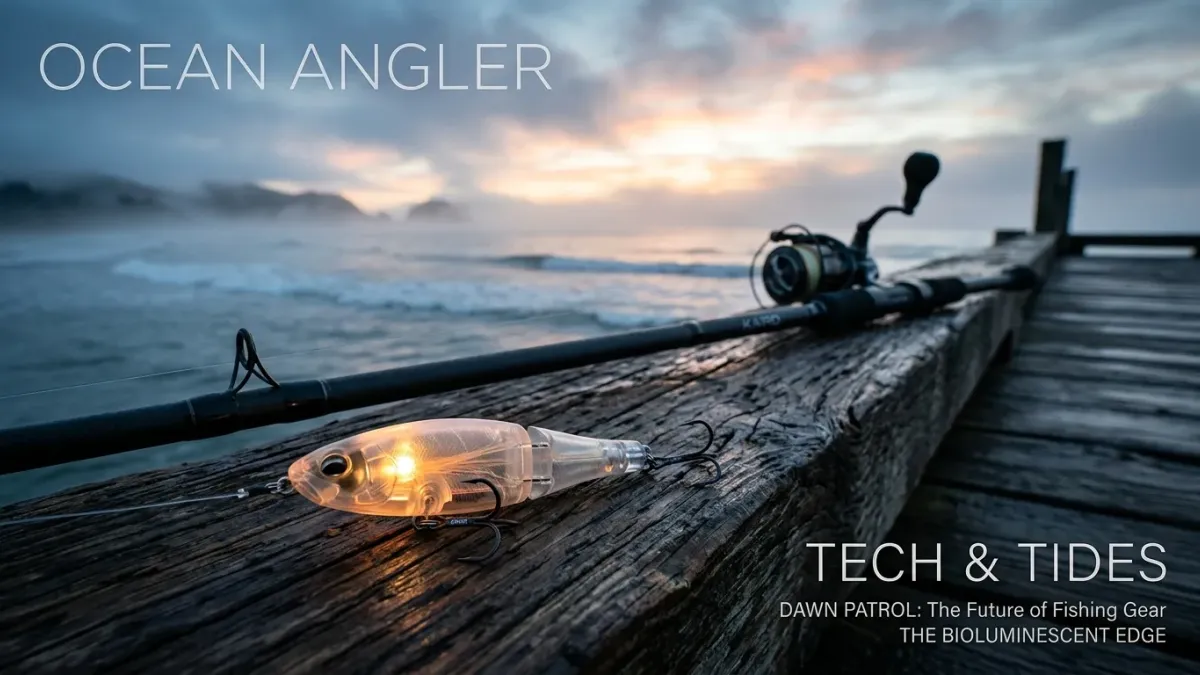
One of the most exciting areas is the integration of smart technology into our rods and reels. We’re talking about reels with built-in line counters that precisely tell you how much line you’ve spooled out, which is invaluable for replicating successful casts or targeting specific depths. Some cutting-edge rods even boast integrated sensors that can detect the slightest nibble, sending a subtle vibration or visual alert directly to you. This is a game-changer for beginners who are still learning to distinguish a current from a cautious bite, and it significantly increases your chances of setting the hook successfully.
Beyond the rod itself, portable electronics have revolutionized how we find fish. Portable fish finders are no longer just bulky units for big boats; many are compact, castable devices that sync with your smartphone. You can cast them out, retrieve them, and get a real-time display of underwater structure, depth, and even fish lurking below. Paired with GPS mapping apps on your phone, you can mark hotspots, track your movements, and navigate new waters with confidence. This technology empowers anglers to explore new spots and understand their local waterways like never before, turning what used to be a guessing game into a strategic adventure.
The Power of Intuitive Design and Simplified Systems
It’s not just about high-tech gadgets; many innovations focus on making the fundamental act of fishing simpler. For beginners, choosing the right gear can feel overwhelming. That’s why many manufacturers now offer beginner combos – a rod and reel pre-matched and often pre-spooled with line. A great starting point for most freshwater applications, especially for species like Largemouth Bass, Trout, or Catfish, is a 6-7 foot medium-power spinning rod paired with a 2500-3000 size spinning reel. This setup is versatile enough for various baits and fish sizes without being too heavy or unwieldy.
Furthermore, innovations in tackle organization and quick-change systems mean less time fumbling and more time fishing. Magnetic tackle boxes, interlocking lure systems, and easily interchangeable weights and hooks streamline the entire process. No one wants to spend half their precious fishing time untangling knots or searching for the right lure, right? These small design improvements add up to a much smoother and more enjoyable experience on the water.
- Pre-spooled Reels: Many beginner combos come with line already on the reel, saving you a common initial hassle.
- Quick-Connect Leaders: Systems that allow you to rapidly change lures or leaders without retying complex knots.
- Ergonomic Rod Handles: Designed for comfort and reduced fatigue, especially during longer fishing sessions.
- Waterproof & Buoyant Electronics: Ensuring your valuable gadgets survive an accidental dip.
- Self-Contained Bait Systems: Innovative bait containers that keep live bait fresh and accessible.
Sustainability at the Core: Eco-Conscious Tackle for a Healthier Future
As anglers, we’re inherently connected to nature, and ensuring the health of our waterways is paramount. The fishing industry is increasingly recognizing this responsibility, leading to a wave of innovations focused on sustainability. This isn't just a trend; it's a critical shift towards protecting the environments we love to fish in, ensuring future generations can enjoy the same experiences we do.
One of the most significant areas of development is in biodegradable and recycled materials. Traditional fishing lines, often made of plastics like monofilament or fluorocarbon, can take hundreds of years to break down if lost in the water. Now, companies are experimenting with lines made from recycled plastics or even natural, biodegradable polymers that minimize environmental impact. Similarly, we’re seeing lures and soft plastics crafted from plant-based materials that naturally decompose over time, reducing the amount of plastic pollution in our lakes and oceans. Even packaging for tackle is moving towards recycled, recyclable, and compostable options, shrinking our overall ecological footprint.
Another crucial innovation addresses the issue of lead-free alternatives for weights and jig heads. Lead, a toxic heavy metal, can leach into aquatic environments, posing a threat to wildlife and ecosystems if lost. The shift towards materials like bismuth, tungsten, and steel for sinkers and lure weights is a massive step forward for environmental protection. While these alternatives might sometimes cost a little more upfront, their long-term benefit to the environment is immeasurable. I've personally made the switch to tungsten weights for my bass fishing, and the difference in feel through the line is often an added bonus!
Choosing Gear with a Conscience
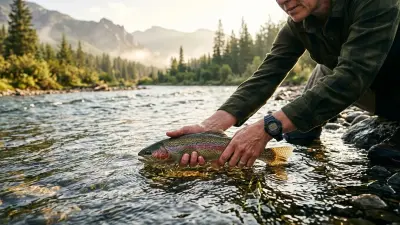
Beyond materials, practices like using barbless hooks are gaining traction. Barbless hooks make it much easier to release fish, causing less damage to their mouths and significantly improving their chances of survival. For anyone practicing catch-and-release – a cornerstone of sustainable angling – barbless hooks are a must-have. When targeting species like Trout or Perch, where multiple catches and releases are common, this small change makes a huge difference. Paired with careful handling techniques and quick-release tools, we can ensure our fish populations remain healthy and thriving.
Innovations for Comfort, Efficiency, and the Modern Angler
Fishing isn't just about catching fish; it's about the experience, the relaxation, and the connection with nature. Modern gear innovations aren't solely focused on the catch, but also on enhancing your comfort and efficiency on the water, making those long days by the lake or coast even more enjoyable. For busy urban anglers, maximizing comfort means maximizing enjoyment, especially during precious weekend escapes.
Advanced apparel is a prime example. Gone are the days of bulky, uncomfortable fishing clothes. Today, you can find clothing designed with UPF (Ultraviolet Protection Factor) ratings as high as 50+, effectively blocking harmful UV rays and protecting you from sunburn during long exposure. Moisture-wicking fabrics keep you cool and dry in summer, while lightweight, insulating layers and even heated vests ensure you stay warm during those crisp fall mornings or winter ice fishing trips. Proper gear allows you to focus on the fishing, not the elements.
Ergonomic design plays a huge role in preventing fatigue. Modern rods feature comfortable, non-slip grips that fit naturally in your hand, reducing strain during casting and fighting fish. Reels are becoming lighter and more balanced, making them easier to handle for extended periods. Even tackle boxes are evolving, with modular designs that allow for custom organization and easier access to your gear, minimizing wasted time and frustration. When you’re comfortable, you’re more patient, and patience often leads to more fish.

Finally, consider the rise of portable power solutions. With so many of us relying on smartphones for navigation, fish-finding apps, and communication, keeping devices charged is essential. Compact, high-capacity power banks are now standard gear, ensuring your phone or castable sonar stays powered up all day. Some even integrate solar charging capabilities, making them perfect for extended trips where outlets are scarce. These innovations mean you can stay connected and utilize your tech without worrying about a dead battery cutting your trip short.
Comparative Look: Traditional vs. Innovative Gear
To truly appreciate how far fishing gear has come, it's helpful to see a direct comparison of traditional approaches versus the modern innovations we're discussing. This table highlights some key areas where new technologies and materials are making a significant impact.
| Feature | Traditional Gear (Common) | Innovative Gear (Modern) |
|---|---|---|
| Line Material | Monofilament, Fluorocarbon (petroleum-based) | Recycled braided line, biodegradable polymers, low-stretch options |
| Weights/Sinkers | Lead sinkers (toxic to environment) | Bismuth, tungsten, steel, ceramic alternatives (eco-friendly) |
| Bite Detection | Visual observation, feel through rod, bobbers | Smart rod sensors, electronic alarms, line tension monitors |
| Fish Locating | Reading water, intuition, basic boat sonar | Castable fish finders (smartphone integration), advanced GPS mapping with depth contours |
| Ease of Use (Beginner) | Steep learning curve, trial and error for setup | Pre-spooled combos, guided apps, quick-change systems |
| Environmental Impact | Higher potential for plastic pollution, lead toxicity | Reduced footprint through sustainable materials and practices |
| Angler Comfort | Basic attire, minimal ergonomic focus | UPF apparel, moisture-wicking fabrics, ergonomic grips, heated gear |
Beyond the Gear: Knowledge, Community, and Responsible Angling
While cutting-edge gear is fantastic, it’s only one piece of the puzzle. The true future of fishing also lies in how we access information and connect with each other. For beginners especially, having reliable guidance is just as important as having the right rod. What good is a fancy lure if you don't know where or when to cast it?
Online resources and dedicated fishing apps have become invaluable tools. These platforms provide instant access to local regulations, species identification guides, weather forecasts, tide charts, and even crowd-sourced fishing reports. Many apps allow you to explore satellite maps with depth contours, helping you scout potential fishing spots from the comfort of your home. This democratization of information means that even someone new to an area can quickly get up to speed on what's biting and where to go, without needing years of local knowledge.
Furthermore, the rise of virtual communities and online forums has fostered an incredible sense of camaraderie among anglers. Platforms like Reddit, Facebook groups, and dedicated fishing forums connect beginners with seasoned veterans who are often eager to share tips, answer questions, and even organize meetups. This mentorship aspect is crucial for shortening the learning curve. I've seen countless instances where a simple question about a specific knot (like the Improved Clinch Knot for attaching lures, or the Palomar Knot for braided line) or the best bait for Catfish in a local river is answered by multiple experienced anglers within minutes, complete with diagrams and personal anecdotes.
Common Pitfalls & How Modern Solutions Help Avoid Them
One of the most common beginner frustrations is a tangled line – a "bird's nest." While practice is key, modern reels often have improved line management systems to reduce tangles. Smart rods can help identify subtle bites, preventing you from missing fish you didn't even know were there. Apps that identify fish species help prevent accidentally keeping an out-of-season or undersized fish, ensuring you adhere to size and bag limits – a vital part of sustainable fishing. These innovations don't replace skill, but they certainly smooth out the rough edges of the learning process.
Your Next Cast: Embracing the Future of Fishing This Weekend
The future of fishing gear is exciting, offering incredible opportunities to make angling more enjoyable, efficient, and responsible for everyone. As you consider dipping your toes into fishing or upgrading your current setup, remember that you don't need the most expensive gear to get started. Focus on smart, practical choices that fit your budget and your local waters.
For a true beginner, that 6-7 ft medium spinning rod with a 2500-3000 size reel, spooled with 6-12 lb monofilament line, is still your best friend. Add a pack of live worms for bass or trout, or some shrimp for saltwater species like Snapper, and you’re good to go. If you're ready to step up, consider braided line (10-20 lb) for its strength and sensitivity, tied to a fluorocarbon leader using a Uni Knot to make it invisible to fish. Explore a castable fish finder if finding structure is a challenge in your local spot. And always, always prioritize gear that supports sustainable practices – lead-free weights, barbless hooks, and biodegradable options where possible.
So, what to do this weekend? Why not visit your local tackle shop and chat with the experts about some of these new innovations? Or, better yet, grab that beginner combo, find a nearby pier or lake, and experience the simple joy of casting a line. Pay attention to local regulations, practice catch and release, and enjoy the peace and thrill that fishing offers. Every cast is a step into a more connected and sustainable future for our beloved sport. Tight lines!