Ever cast your line with high hopes, only to reel in disappointment after disappointment? You're not alone. Every angler, even those of us who've been at it for decades, started right where you are. We've all made those frustrating, fish-losing mistakes.
But here’s the good news: most beginner blunders are easily fixed! As your fishing buddy at Fish Hunter, I'm here to share some hard-earned wisdom. We'll dive into the five most common pitfalls I've seen new anglers stumble into, and more importantly, how you can sidestep them to enjoy more successful, relaxing days on the water.
Mistake #1: Mismatching Gear (or Grabbing Just Anything!)
One of the biggest hurdles for new anglers is feeling overwhelmed by the sheer amount of gear out there. So, what do many do? They grab the cheapest combo, or whatever their buddy tells them to, without considering what they're actually trying to catch or where they're fishing. This can lead to a rod too stiff for small fish, or a reel too small for big ones, making fishing frustrating instead of fun.
How to Avoid It: Start Smart with a Versatile Setup
You don't need a tackle shop full of gear to start. My advice for urban anglers and beginners is to invest in a versatile, mid-range setup that can handle most common freshwater and light saltwater species.
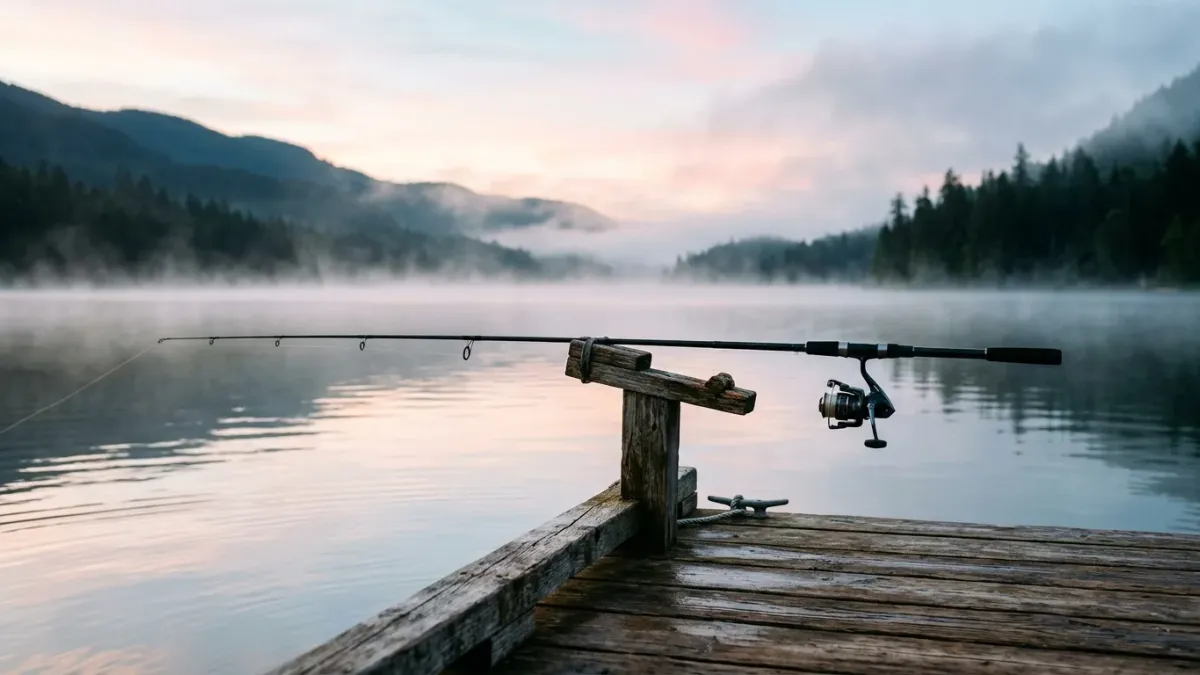
- Rod & Reel Combo: A 6-7 foot medium-action spinning rod paired with a 2500-3000 size spinning reel is your golden ticket. A spinning reel is a type of open-faced fishing reel where the spool remains stationary and the line is gathered by a rotating bail, making it incredibly easy for beginners to cast. This combo offers a great balance of casting distance, backbone for bigger fish like Largemouth Bass or Catfish, and sensitivity for smaller bites from Perch or Crappie.
- Line Choice: For beginners, 6-12 lb monofilament line is ideal. Monofilament line is a single-strand fishing line, typically made of nylon, known for its stretch, ease of tying knots, and affordability. It's forgiving, easy to tie, and has enough stretch to absorb sudden runs from fish. If you plan on tackling bigger species like Pike or Snapper, consider 10-20 lb braided line on a separate spool – braided line is made from multiple synthetic fibers woven together, offering high strength-to-diameter ratio, no stretch, and excellent sensitivity.
Don't overthink it; one good, versatile combo will get you started catching fish in lakes, rivers, and even piers.
Mistake #2: Ignoring Your Surroundings (Where the Fish Are Hiding)
I've seen it countless times: a beginner angler casts blindly into open water, wondering why nothing is biting. They might have the perfect bait, but if it's not where the fish are, it's just a swim. Fish don't just hang out randomly; they look for food, cover, and comfortable temperatures.
How to Avoid It: Read the Water Like a Pro
Learning to "read the water" is perhaps the most critical skill you can develop. It’s about understanding fish habitat and seasonal patterns.
- Look for Structure and Cover: Fish love to hide. Think about where you'd feel safe or find food. Look for downed trees (snags), rock piles, weed beds, docks, bridges, changes in depth, or anything that breaks up the open water. Bass and Pike love cover. For saltwater, look for oyster beds, jetties, or channel markers where Snapper and other species congregate.
- Understand Seasonal Patterns: Fish behavior changes with the seasons.
- Spring: Fish move to warmer, shallower waters for spawning. Think banks, coves, and flats.
- Summer: As water heats up, many species move to deeper, cooler water or seek shaded areas. Early mornings and late evenings are often best.
- Fall: A feeding frenzy before winter! Fish are actively fattening up, often found closer to shore and more aggressively biting.
- Observe Other Anglers: See where others are catching fish? It’s often a good indicator. Don't crowd them, but use it as a clue.
For example, imagine this situation: it's a hot summer afternoon. Instead of casting into the sunny, open middle of the pond, I'd focus my efforts on the shaded bank under overhanging trees, or near the deeper water by the dam. That's where the fish will be seeking refuge and food.

Mistake #3: Poor Knot Tying (The Weakest Link)
Honestly, I can't tell you how many fish I've lost over the years due to a poorly tied knot – and I'm sure every experienced angler has a similar story. You can have the best rod, reel, and bait, but if your knot fails, that fish is gone, along with your lure or hook. This is a crucial area where beginners often cut corners.
How to Avoid It: Master a Couple of Reliable Knots
Don't try to learn every knot in the book. Focus on two or three strong, reliable knots that will cover most of your fishing needs. Practice them at home until you can tie them quickly and confidently, even with a little adrenaline pumping.
- The Improved Clinch Knot: This is my go-to for tying monofilament or fluorocarbon line to hooks, swivels, or lures. It's relatively easy to learn and incredibly strong. It’s what I recommend for almost any lure or hook attachment.
- The Palomar Knot: An exceptionally strong and reliable knot, especially good for braided line, but also works well with monofilament. It's a bit trickier initially but well worth the effort for its strength and simplicity once you get the hang of it. Use it when you need absolute confidence in your connection, particularly for heavier lures or when targeting stronger fish.
Search for videos online for "Improved Clinch Knot" and "Palomar Knot." Watching someone tie it step-by-step makes all the difference. Practice, practice, practice! A strong knot is often the only thing between you and that trophy fish.
Mistake #4: Impatience and Lack of Persistence
Fishing is often called "the art of patience," and for good reason. Beginners often expect instant results. They'll cast in one spot for five minutes, get no bites, and immediately move or give up. But what would you do in this situation? True fishing success often comes from observation, subtle adjustments, and plain old stubbornness.
&h3>How to Avoid It: Be Patient, Adapt, and Keep TryingFish don't always bite on the first cast, or even the tenth. Sometimes, it takes a bit of detective work to figure out what they want.
- Vary Your Retrieve: If you're using lures (like a crankbait or soft plastic), don't just reel it in at one speed. Try fast retrieves, slow retrieves, stop-and-go motions, or jerking the rod tip to mimic injured prey. A topwater lure for bass, for instance, often works best with a pause-and-twitch retrieve.
- Experiment with Bait/Lures: If live worms aren't getting bites for bass, try a soft plastic worm or a spinnerbait. For saltwater fishing, if shrimp aren't working, try cut bait or a different artificial lure. Carry a small selection of baits – live worms or artificial grubs for freshwater, shrimp or squid for saltwater – and don't be afraid to switch it up.
- Move Slowly: Don't abandon a promising spot too quickly. Give it 15-30 minutes, trying different casts and retrieves. If still nothing, move a short distance and try again. Sometimes, a few feet can make all the difference.
- Observe & Learn: Pay attention to what's happening around you. Are fish jumping? Are there baitfish schooling? These clues can tell you where the predators might be.
Remember, it's called "fishing," not "catching." The joy is in the process, the learning, and the relaxation. The catches are the bonus!
Mistake #5: Overlooking Sustainable Fishing Practices
As passionate anglers, it's our responsibility to protect the very resource that brings us so much joy. Beginners sometimes, unknowingly, contribute to unsustainable practices simply because they aren't aware of the impact. This isn't just about rules; it's about being a good steward of our waters.
&h3>How to Avoid It: Fish Responsibly, AlwaysSustainable fishing ensures that future generations can enjoy the same experiences we do. It's simple, ethical, and makes for a healthier ecosystem.
- Know Your Local Regulations: Before you even cast a line, check your state or local fishing regulations. This includes size limits (minimum and sometimes maximum lengths for keeping fish), bag limits (how many fish you can keep), and season closures for certain species. Most areas require a fishing license, too!
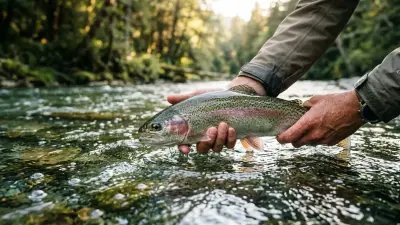
- Practice Catch and Release: If you're not planning to eat the fish, release it quickly and gently. Minimize its time out of water, handle it with wet hands to protect its slime coat, and revive it gently if needed before letting it go. This is crucial for maintaining healthy fish populations, especially for popular game fish like Bass or Trout.
- Use Barbless Hooks: Consider crimping down the barb on your hooks or buying barbless hooks. Barbless hooks are hooks with no barb or a crimped barb, making it easier to remove them from a fish with less harm, crucial for catch and release. They make hook removal much easier and less traumatic for the fish, increasing their survival rate.
- Leave No Trace: Pack out everything you pack in. Don't leave trash, fishing line, or bait containers. Our waterways are shared spaces, and keeping them clean benefits everyone.
What to Do This Weekend: Your Action Plan
Now that you know the common pitfalls, you're already ahead of the curve! This weekend, grab that versatile 6-7 ft medium spinning combo, tie a fresh Improved Clinch Knot, and head to a local pond or pier. Take 15 minutes to observe your surroundings – look for structure, shade, or signs of fish activity. Start with live worms or a simple soft plastic lure, and practice patience, trying different retrieves. And remember: respect the fish and the environment.
By avoiding these five common mistakes, you're not just improving your chances of catching fish; you're setting yourself up for a much more enjoyable, rewarding, and sustainable fishing journey. The water is calling, and with these tips from Fish Hunter, you’re ready to answer!