
Ever feel like you need a fishing win? A species that’s abundant, fun to catch, and absolutely delicious on the plate? Look no further than the crappie! Often overlooked in favor of bigger game fish, crappie are the unsung heroes of freshwater fishing, offering incredible action and a fantastic entry point for anyone looking to get into angling. Here at Fish Hunter, we believe fishing should be accessible and enjoyable for everyone, and crappie truly deliver on that promise.
Whether you’re an apartment dweller seeking a peaceful weekend escape, an office worker dreaming of outdoor relaxation, or a seasoned angler looking to fill your cooler, crappie are your ticket to consistent success. Forget complicated setups and expensive gear; catching these speckled beauties is all about finesse and understanding their simple preferences. Let’s dive in and get you hooked on crappie fishing!
Why Crappie? The Ultimate Panfish for Every Angler
Crappie, both Black and White varieties, are arguably the most rewarding panfish you can target. They’re widespread across North America, found in lakes, ponds, and slow-moving rivers. What makes them so special? For starters, their abundance means you often don’t have to wait long for a bite. This instant gratification is a huge confidence booster for beginners!
I remember one blustery spring day, I was out on a local lake, trying everything for bass with no luck. Frustrated, I decided to switch gears completely. I grabbed my ultralight setup, tied on a tiny jig, and headed for a brush pile. Within minutes, I was pulling out crappie after crappie! It wasn’t just fun; it completely turned my day around. That’s the magic of crappie – they’re often willing biters when other fish are finicky.
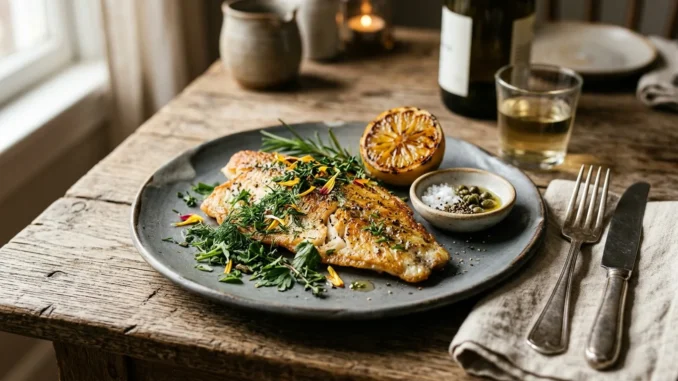
Beyond their willingness to bite, crappie are just plain fun to fight on light tackle. Their delicate mouths require a gentle touch, teaching you valuable angling skills. Plus, they’re fantastic table fare – mild, flaky white meat that’s perfect for frying. Honestly, a fresh crappie fillet is a culinary delight that makes every catch even more rewarding.
Gearing Up for Crappie: Simple & Effective Setups
You don’t need a boatload of expensive gear to catch crappie. The beauty of crappie fishing lies in its simplicity. Here’s what you’ll need for a solid, budget-friendly setup:
Rods & Reels: The Finesse Factor
- Rod: A 5 to 7-foot ultralight or light action spinning rod is ideal. “Ultralight action” means the rod tip is very flexible and sensitive, allowing you to feel even the slightest nibble from a crappie, which often have very subtle bites. A good choice would be something like a Shakespeare Ugly Stik GX2 Ultralight or a Lew’s Mach Crush SLP.
- Reel: Pair your rod with a small 1000 to 2000 series spinning reel. A spinning reel is a type of fishing reel characterized by an open-faced spool that sits below the rod, making it easy to cast light lures and baits. Look for models like a Shimano Sienna 1000 or a Daiwa BG MQ 2000. These sizes balance perfectly with ultralight rods and provide smooth casting and retrieval.
This combo is sensitive enough to detect those light crappie bites but has enough backbone to handle a good-sized fish. Trust me, the right gear makes a huge difference in your enjoyment and success.
Line & Terminal Tackle: The Devil is in the Details
When it comes to line, lighter is always better for crappie, especially if you’re targeting pressured fish. Crappie have excellent eyesight and can be line-shy.
- Line: I recommend 4 to 6-pound test monofilament or fluorocarbon line. Monofilament line is a single-strand fishing line, typically made from nylon, known for its stretch, knot strength, and affordability. Fluorocarbon line is also a single-strand line, but it’s denser than mono, making it sink faster and virtually invisible underwater, which is a big advantage for wary crappie.
- Hooks: Small, sharp hooks are crucial. Size 4 to 8 Aberdeen or baitholder hooks are perfect. Aberdeen hooks are thin-wired, which helps them straighten out if snagged, potentially saving your line.
- Bobbers: A small bobber (also called a float) is essential for presenting bait at a specific depth. For crappie, I prefer sensitive slip bobbers that allow you to easily adjust your depth, but fixed bobbers work well in shallow water.
- Weights: A few small split shot weights are all you need. Split shot weights are small, round lead or non-toxic weights that have a slit down the side, allowing them to be easily squeezed onto your fishing line to add casting weight or to sink your bait.
This terminal tackle – the hooks, weights, swivels, and leaders at the end of your line – is where most of your interaction with the fish happens, so don’t skimp on quality here.
Knots for Crappie
A reliable knot is non-negotiable. For crappie fishing, the Improved Clinch Knot is a fantastic all-rounder. It’s strong, relatively easy to tie, and works well for attaching hooks, swivels, and lures to monofilament or fluorocarbon line. Here’s how you tie it:
- Pass the line through the eye of the hook.
- Wrap the tag end (the loose end) around the standing line (the main line) 5-7 times.
- Pass the tag end back through the small loop formed just above the eye.
- Then, pass the tag end through the larger loop you just created.
- Moisten the line with saliva and pull both the standing line and the tag end slowly to tighten the knot firmly against the eye.
- Trim the excess tag end, leaving about 1/8 inch.
Practice this knot a few times at home, and it’ll become second nature on the water!
Baits & Lures That Crappie Can’t Resist
Crappie aren’t particularly picky, which is great news for anglers. You have excellent options in both live bait and artificial lures.
Live Bait: The Natural Choice
- Minnows: These are king for crappie. A small live minnow (1-2 inches) suspended under a bobber is often irresistible. Hook them gently through the lips (top lip up through the bottom) or lightly behind the dorsal fin to keep them lively.
- Worms: Small pieces of nightcrawlers or red worms also work well, especially when crappie are feeding on the bottom or near structure.
The key with live bait is presentation. Let it drift naturally or present it just above submerged structure where crappie like to hide.
Artificial Lures: The Active Approach
If you prefer a more active style of fishing, artificial lures are incredibly effective. The trick is to use small presentations and work them slowly.
- Jigs: Small jigs, typically 1/32 to 1/16 ounce, are crappie magnets. A jig is a type of fishing lure, usually with a lead weight molded onto a hook, often dressed with a soft plastic body, hair, or feathers, designed to be vertically “jigged” or retrieved with a pulsating action.
- Soft Plastics: Pair your jigs with tiny soft plastic bodies. Soft plastics are flexible, rubber-like fishing lures molded into various shapes (like worms, grubs, or small fish) that imitate natural prey. Tube jigs, tiny grub tails, or small minnow imitations like the Bobby Garland “Baby Shad” are highly effective. Stick to subtle colors like white, chartreuse, or black/blue, but don’t be afraid to experiment.
Work these lures with a slow, steady retrieve or a gentle lift-and-drop motion. Crappie often hit on the fall, so pay close attention to your line!
Finding & Catching Crappie: Tactics for Success
Knowing where crappie like to hang out is half the battle. They are structure-oriented fish, meaning they love to relate to underwater features.
Where to Find Them
- Structure & Cover: Look for submerged trees, brush piles, docks, bridge pilings, and even weed lines. Crappie use these as ambush points and protection.
- Seasonal Patterns:
- Spring: This is prime time! Crappie move into shallow water (2-5 feet) to spawn when water temperatures hit 55-65°F. Look for them around brush, reeds, and emergent vegetation.
- Summer: As water warms, crappie retreat to deeper, cooler water (10-25 feet), often suspending over brush piles, ledges, or deep timber.
- Fall: They move back to shallower, but still structured, areas as they feed aggressively to prepare for winter. Look for them around transition zones between shallow and deep water.
- Winter: Crappie tend to school tightly in deep holes or around deep structure.
A good fish finder can be a game-changer for locating these deep structures, but you can also find them by slowly drifting and probing different depths with your bait.
Techniques for the Catch
- Bobber Fishing: The classic method! Rig a minnow or small worm under a bobber, set your depth to just above the visible structure (or where you expect them to be), and let it sit. Watch that bobber like a hawk for any movement!
- Jigging: Cast a small jig near structure and let it sink. Slowly retrieve it with a slight twitching or “jigging” motion. Experiment with different depths until you find where the fish are biting.
- Trolling/Drifting: If you’re on a boat, slowly troll or drift with multiple lines (if allowed) rigged with jigs or minnows. This is called “spider rigging” and is incredibly effective for covering water and finding schools.
The most important thing? Stay patient and pay attention. Crappie bites can be incredibly subtle – sometimes it just feels like your line got heavy or your bobber just twitched. Set the hook quickly but gently with that ultralight rod.
Common Mistakes to Avoid & Sustainable Practices
Even with crappie, there are a few pitfalls beginners often encounter. Let’s make sure you avoid them!
Rookie Mistakes
- Too Heavy Gear: Using a heavy bass rod and thick line will result in fewer bites and less sensitivity. Remember, finesse is key!
- Too Big Bait/Lures: Crappie have relatively small mouths. A minnow over 2 inches or a jig larger than 1/8 ounce might be too much for them to swallow.
- Fishing the Wrong Depth: Crappie often suspend at a very specific depth. If you’re not getting bites, adjust your depth by a foot or two at a time until you find the sweet spot.
- Ignoring Subtle Bites: As mentioned, crappie bites can be incredibly light. Any unusual movement of your line or bobber should be investigated with a gentle hookset.
To be fair, we’ve all made these mistakes. I know I have! But learning from them is how we become better anglers.
Sustainable Crappie Fishing
As passionate anglers, we want to ensure healthy fish populations for generations to come. Here’s how you can practice responsible crappie fishing:
- Catch and Release: While crappie are delicious, consider releasing larger breeding-size fish (especially those big “slab” crappie) to help maintain a healthy population. Keep only what you’ll eat.
- Respect Size & Bag Limits: Always check your local regulations for crappie size and possession limits. These rules are in place for a reason!
- Barbless Hooks: Consider using barbless hooks or crimping down the barb on your hooks. This makes releasing fish much easier and causes less harm.
- Handle with Care: If you plan to release a fish, handle it minimally with wet hands and return it to the water quickly.
These practices not only preserve the environment but also ensure that your favorite crappie spots remain productive for years to come. It’s all part of being a good steward of our natural resources.
What to Do This Weekend
Grab a lightweight spinning combo, a pack of small jigs (1/32 oz), some chartreuse and white soft plastic bodies, and a handful of small minnows if you can get them. Head to your local lake or pond with docks, submerged brush, or standing timber. Start by fishing a minnow under a bobber at about 4-6 feet deep around structure. If no bites, switch to a small jig and slowly retrieve it, varying your depth. Pay attention to any subtle taps! You’ll be reeling in crappie in no time.
There you have it – a complete guide to getting started with crappie fishing. This isn’t just about catching fish; it’s about enjoying the process, connecting with nature, and finding a rewarding hobby that offers both excitement and relaxation. Crappie are the perfect fish to build your confidence and hone your skills without needing a huge investment. So, get out there, embrace the finesse, and discover the incredible fun and flavor that crappie fishing has to offer. Tight lines, fellow Fish Hunter!
Leave a Reply