
Introduction to Saltwater Fishing
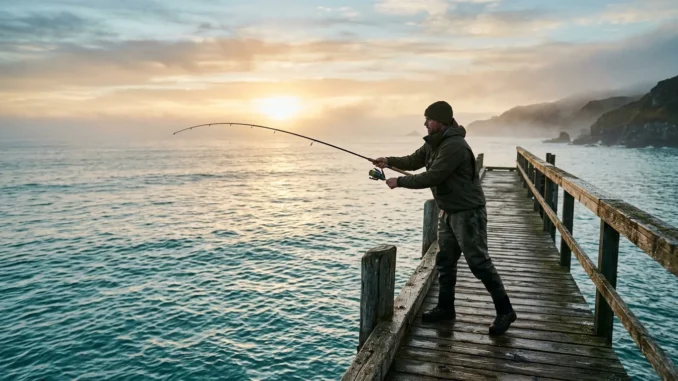
Saltwater fishing can be an exhilarating experience, with the vast ocean offering a diverse range of fish species to target. As a beginner, it’s essential to start with the basics, understanding the gear, techniques, and best practices to ensure a successful and enjoyable fishing trip. For example, imagine this situation: you’re standing on a pier, rod in hand, waiting for a bite, but unsure of what to expect. Saltwater fishing requires patience, knowledge, and the right equipment.
Based on my experience, I believe that starting with the right gear is crucial. A medium to heavy action spinning rod (around 7-9 feet long) paired with a spinning reel (size 4000-5000) is an excellent combination for beginners. The reel should be filled with a monofilament or braided line with a minimum of 15-20 lb test weight.
Honestly, the type of line you choose depends on the fishing conditions and the species you’re targeting. Braided lines are more sensitive and resistant to abrasion, while monofilament lines are more forgiving and less visible in the water.
Choosing the Right Bait and Lures
Live Bait vs. Artificial Lures
When it comes to bait and lures, the options can be overwhelming. Live bait, such as shrimp, crabs, or fish, can be highly effective, especially for species like bass, trout, and snapper. On the other hand, artificial lures like crankbaits, spinners, and soft plastics can be more convenient and versatile.
Let me add something here: the key to success lies in understanding the behavior and preferences of your target species. For instance, snapper are often attracted to shrimp or crab baits, while bass tend to favor crankbaits or soft plastics.
To be fair, there’s no one-size-fits-all solution when it comes to bait and lures. Experimenting with different options and observing the results will help you develop your own preferences and strategies.
Tips and Techniques for Saltwater Fishing
Understanding Tides and Currents
Understanding the tides and currents is essential for successful saltwater fishing. The changing tides can affect the behavior and movement of fish, making it crucial to plan your fishing trip accordingly. For example, a rising tide can bring fish into shallower waters, while a falling tide can push them into deeper areas.
But what would you do in this situation: you’re fishing in a strong current, and your line keeps getting tangled? One solution is to use a swivel to reduce line twist and a weight to keep your bait or lure near the bottom.
In my opinion, patience and observation are vital components of saltwater fishing. Take the time to study the water, observe the fish, and adjust your techniques accordingly.
Common Mistakes and Troubleshooting
As a beginner, it’s easy to make mistakes that can ruin your fishing trip. One common error is over-tightening the drag, which can lead to lost fish and damaged gear. Another mistake is underestimating the strength of the fish, resulting in a broken line or lost tackle.
To avoid these mistakes, it’s essential to set the drag correctly, leaving enough slack for the fish to run without breaking the line. Additionally, choosing the right tackle for your target species can make a significant difference in your success rate.
Honestly, the key to troubleshooting is to stay calm and think clearly. If you’re experiencing issues with your gear or technique, take a step back, and try to identify the problem. Often, a simple adjustment or change in approach can make all the difference.
Conclusion and Next Steps
In conclusion, saltwater fishing offers a unique and rewarding experience for beginners and experienced anglers alike. By understanding the basics of gear, techniques, and best practices, you can set yourself up for success and enjoy a lifetime of fishing adventures.
So, what to do this weekend? Why not start by gathering your gear, checking the tides, and heading to your local pier or beach? Remember to stay patient, observe your surroundings, and have fun. With practice and experience, you’ll become a skilled saltwater angler, reeling in impressive catches and creating unforgettable memories.
Leave a Reply