
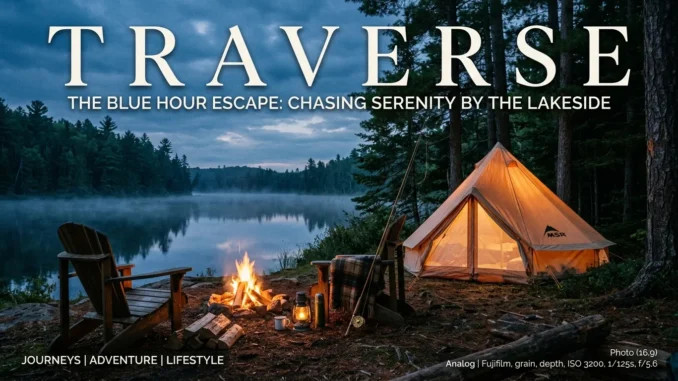
Beyond the Sunset: Why Your First Overnight Fishing Trip is a Must
There’s something truly magical about fishing when the sun dips below the horizon, painting the sky in fiery hues, and the world quiets down. A day trip is fantastic, sure, but an overnight fishing trip? That’s where the real adventure begins. It’s not just about catching fish; it’s about disconnecting from the daily grind, watching the stars blaze overhead, and waking up to the mist rising off the water, rod in hand. For busy office workers, apartment dwellers, or anyone craving a deeper connection with nature, this is your ticket to a genuine outdoor escape.
I remember my own first overnight trip like it was yesterday. It was a local state park lake, and after years of packing up when the light faded, staying put felt rebellious and exhilarating. The bass that wouldn’t bite all day suddenly came alive in the low light, and the peaceful quiet of the night was a revelation. It might sound a bit daunting at first, planning to sleep outside, but honestly, with a little preparation, it’s simpler and more rewarding than you think. Let’s break down exactly how you can turn that dream into a reality, making your first overnight fishing trip an unforgettable success.
Gear Up: Beyond Your Day Trip Essentials
You’ve got your fishing rod, reel, and tackle box ready, right? Great! For an overnight trip, we need to think beyond just catching fish. You’ll need to prepare for sleeping, eating, and staying safe and comfortable in the wild. Don’t worry, you don’t need to break the bank on expedition-grade equipment; plenty of budget-friendly options will serve you well.
Shelter & Sleep: Your Home Away From Home
Your primary concern after fishing gear is a comfortable place to rest. A simple, lightweight two-person tent is often perfect, even if you’re solo, giving you room for gear. Pair that with a sleeping bag appropriate for the expected night temperatures – check the bag’s temperature rating! A basic sleeping pad will make a huge difference, insulating you from the cold ground and providing cushioning. You can find decent beginner tents for under $100, sleeping bags for $50-100, and pads for $20-50. Look for brands like Coleman, Ozark Trail, or Amazon Basics for reliable entry-level gear.
Lighting & Navigation: Don’t Get Left in the Dark
Night fishing means you’ll need good light. A headlamp is non-negotiable – it keeps your hands free for tying knots, baiting hooks, or setting up camp. I recommend one with a red light option to preserve your night vision. A small LED lantern is great for illuminating your campsite. Don’t forget a portable power bank to recharge your phone or headlamp. For your fishing rods, a few clip-on glow sticks or bells can alert you to a bite, making night fishing much more enjoyable.
Cooking & Sustenance: Keeping Your Energy Up
Even for one night, you’ll need food and water. A compact camping stove (like a butane or propane single-burner model) is fantastic for heating water for coffee or preparing simple meals. Bring a small cooler with ice for drinks and perishable food. Always pack more water than you think you’ll need, or bring a water filter/purifier if you’re confident in a natural water source. Dehydrated meals are lightweight and easy, but frankly, a few sandwiches and snacks can often suffice for a single overnight trip.
Personal Comfort & Safety: Prepare for Anything
This is where experience really pays off. Always pack extra layers of clothing, even if the day is warm; nights can get surprisingly chilly. A good insect repellent is crucial, especially near water. A basic first-aid kit is non-negotiable, covering everything from hook punctures to minor cuts and scrapes. And honestly, a good book or some music can make downtime at camp even more relaxing.
For your actual fishing gear, your standard 6-7 ft medium spinning rod paired with a 2500-3000 size reel will handle most freshwater species you’ll encounter. For line, 6-12 lb monofilament is excellent for beginners, forgiving and easy to tie knots with. If you’re targeting bigger fish like catfish at night, consider spooling up with 10-20 lb braided line for added strength and sensitivity.
Choosing Your Spot: Safety and Success Combined
Picking the right location is paramount for a successful and safe overnight trip. It’s not just about where the fish are biting, but where you can legally and safely set up camp.
Research Legal & Safe Locations
Start with local state parks, national forests, or designated recreation areas. Many of these have specific camping zones that allow fishing, and they often have better access and facilities (like restrooms or designated fire pits). Always check the park’s website or call ahead for camping and fishing regulations, including any permits you might need. Some private campgrounds also offer excellent bank fishing opportunities.
Consider accessibility. Is the spot a long hike in, or can you drive close to your campsite? For your first trip, closer access is always better to avoid overexertion and simplify gear transport. Look for areas with a consistent history of good fishing, especially for species active at night like Catfish, Largemouth Bass, or even Trout in cooler waters. Your goal is a place that feels comfortable and secure, not isolated and intimidating.
Your Overnight Fishing Strategy: From Dusk Till Dawn
The beauty of an overnight trip is experiencing the different fishing patterns throughout the night and into the early morning. It’s a whole new ballgame compared to daytime angling.
Setting Up Camp & Night Fishing Tactics
Arrive at your chosen spot with plenty of daylight to spare. This gives you time to scout the area, pick the best campsite, and get your tent and gear organized before darkness sets in. Once camp is set, you can focus on fishing.
Night fishing requires a slight shift in strategy. Many fish rely more on sound, vibration, and scent in low light. For catfish, powerful scents are key: try stink baits, cut bait (like pieces of shad or bluegill), or good old nightcrawlers. For bass, dark-colored soft plastics (like worms or jigs) worked slowly along the bottom, or even topwater lures that create a lot of commotion (like a Jitterbug or Whopper Plopper) can be incredibly effective. Remember to tie your knots securely; the Improved Clinch Knot for attaching lures/hooks to monofilament or fluorocarbon, and the Palomar Knot for braided lines, are both excellent choices for strength and reliability. The Uni Knot is also a fantastic all-around option.
The Early Morning Bite: A Golden Opportunity
Don’t sleep through the sunrise! The period just before and after dawn is often the most productive time for many species. Fish are actively feeding after a night of rest, and the low light conditions are ideal. Fresh bait, active lure presentations, and a keen eye will pay dividends. This is where a hot cup of coffee, brewed right at the water’s edge, tastes absolutely divine. It’s a truly peaceful and rewarding experience.
To be fair, seasonal patterns play a role too. Summer nights are often ideal for overnight trips due to warmer temperatures and active fish like bass and catfish. Spring and fall can also be great, especially during a fall feeding frenzy, but you’ll need to pack warmer gear.
Common Mistakes & Sustainable Practices for Overnight Trips
As your trusted fishing buddy, I’ve seen (and made!) my share of mistakes. Let me add something here: avoiding these pitfalls will significantly improve your experience.
Don’t Forget These!
One common mistake is either overpacking (lugging too much unnecessary gear) or underpacking (forgetting critical items like bug spray, extra water, or a charged headlamp). Create a detailed checklist and stick to it. Another is not checking the weather forecast thoroughly – a sudden storm can turn a relaxing trip into a miserable one. Always tell someone where you’re going and when you expect to return. Finally, don’t try to tackle an overly ambitious spot for your first trip; start simple and build up your experience.
Leave No Trace: Be a Responsible Angler
As always, sustainable fishing practices are paramount, especially when camping. Practice catch and release for fish you don’t plan to eat, handle fish gently with wet hands, and consider using barbless hooks to minimize harm. Always respect size and creel limits for any fish you keep. When camping, remember the “Leave No Trace” principles: pack out everything you pack in (including all trash, food scraps, and fishing line), respect wildlife, and be mindful of fire safety regulations. Keep your campsite clean, quiet, and leave it better than you found it. This ensures these beautiful spots remain pristine for everyone, including future generations of Fish Hunters.
What to Do This Weekend: Plan Your Escape!
You now have the framework for planning your first overnight fishing trip. Start by researching a local state park or public fishing area that allows overnight camping. Check their regulations, look at a map, and pick a weekend. Gather your essential gear, focusing on shelter, light, and sustenance, alongside your trusty rod and reel. Pack your bag, tell a friend your plans, and prepare for an adventure that promises quiet reflection, thrilling bites, and memories that will last a lifetime. This isn’t just a fishing trip; it’s an investment in your well-being, a true escape into the peace of the outdoors.
Leave a Reply