
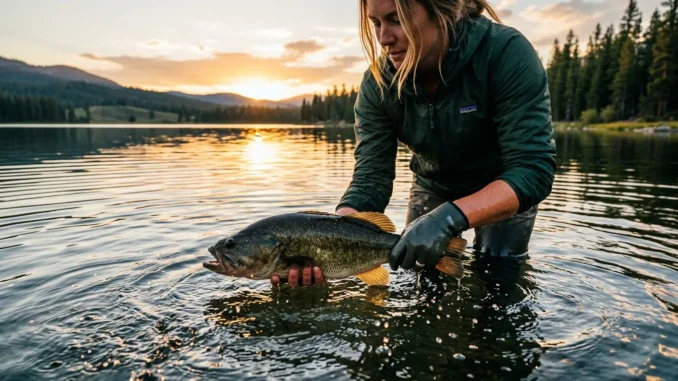
Introduction to Catch-and-Release Fishing
Catch-and-release fishing is a practice that has gained popularity in recent years, and for good reason. By releasing fish back into the water after catching them, anglers can help conserve fish populations and preserve the health of our oceans and waterways. But what would you do in this situation: you’re out on the lake, and you’ve just caught a beautiful largemouth bass. Do you keep it and take it home for dinner, or do you release it back into the water? The choice you make can have a significant impact on the environment.
For example, imagine this situation: you’re fishing in a lake that’s home to a large population of trout. You catch a beautiful rainbow trout, but instead of keeping it, you decide to release it back into the water. By doing so, you’re giving that fish the chance to spawn and reproduce, which can help maintain a healthy population of trout in the lake. This is just one example of how catch-and-release fishing can have a positive impact on the environment.
In my opinion, catch-and-release fishing is an essential practice for any angler who cares about the health of our oceans and waterways. By releasing fish back into the water, we can help conserve fish populations and preserve the delicate balance of the ecosystem. So, let’s take a closer look at the benefits of catch-and-release fishing and how it can make a positive impact on the environment.
The Benefits of Catch-and-Release Fishing
There are many benefits to catch-and-release fishing, including the conservation of fish populations, the preservation of the ecosystem, and the protection of vulnerable species. By releasing fish back into the water, anglers can help maintain a healthy balance of the ecosystem, which is essential for the long-term sustainability of fish populations. Additionally, catch-and-release fishing can help reduce the impact of overfishing, which is a major threat to the health of our oceans and waterways.
Some of the key benefits of catch-and-release fishing include:
- Conservation of fish populations: By releasing fish back into the water, anglers can help maintain a healthy population of fish in the lake or ocean.
- Preservation of the ecosystem: Catch-and-release fishing can help preserve the delicate balance of the ecosystem, which is essential for the long-term sustainability of fish populations.
- Protection of vulnerable species: Catch-and-release fishing can help protect vulnerable species, such as trout or salmon, which are often targeted by anglers.
Let me add something here: catch-and-release fishing is not just about conserving fish populations; it’s also about preserving the ecosystem as a whole. By releasing fish back into the water, anglers can help maintain a healthy balance of the ecosystem, which is essential for the long-term sustainability of fish populations.
How to Practice Catch-and-Release Fishing
Practicing catch-and-release fishing is relatively simple, and it requires minimal equipment. Here are some tips for getting started:
First, make sure you have the right equipment, including a spinning reel or baitcasting reel, a fishing rod, and a net. It’s also a good idea to use barbless hooks, which can help reduce the risk of injury to the fish. When you catch a fish, handle it gently and carefully, and make sure to release it back into the water as quickly as possible.
Some other tips for practicing catch-and-release fishing include:
- Use circle hooks, which can help reduce the risk of injury to the fish.
- Avoid over-handling the fish, which can cause stress and injury.
- Make sure to release the fish back into the water as quickly as possible, to minimize the risk of injury or stress.
To be fair, catch-and-release fishing is not without its challenges. One of the biggest challenges is making sure that the fish is released back into the water safely and humanely. But with the right equipment and a little practice, anyone can become a skilled catch-and-release angler.
Common Mistakes to Avoid
There are several common mistakes that anglers make when practicing catch-and-release fishing, including over-handling the fish, using the wrong equipment, and releasing the fish too slowly. To avoid these mistakes, make sure to handle the fish gently and carefully, use the right equipment, and release the fish back into the water as quickly as possible.
But what would you do in this situation: you’ve caught a fish, but you’re not sure if it’s safe to release it back into the water. Do you keep it and take it home for dinner, or do you release it back into the water and risk injuring it? The answer is simple: if you’re not sure if the fish is safe to release, it’s always best to err on the side of caution and release it back into the water as quickly as possible.
Honestly, catch-and-release fishing is not just about conserving fish populations; it’s also about being a responsible and ethical angler. By following the tips and guidelines outlined above, anglers can help preserve the health of our oceans and waterways, and ensure that fish populations remain healthy and sustainable for generations to come.
Conclusion
In conclusion, catch-and-release fishing is an essential practice for any angler who cares about the health of our oceans and waterways. By releasing fish back into the water, anglers can help conserve fish populations, preserve the ecosystem, and protect vulnerable species. So, the next time you’re out on the lake or ocean, remember to practice catch-and-release fishing, and do your part to help preserve the health of our oceans and waterways.
So far we’ve covered the benefits of catch-and-release fishing, how to practice it, and some common mistakes to avoid. Now, let’s get to the really critical point: taking action. Whether you’re a seasoned angler or just starting out, you have the power to make a positive impact on the environment. So, what are you waiting for? Get out there and start practicing catch-and-release fishing today!
Leave a Reply