
So, you’ve mastered the basics. You’ve caught your share of panfish, maybe a few respectable bass or trout on that trusty starter spinning combo. You’ve felt the thrill, enjoyed the peace, and now a new feeling is bubbling up inside you: the itch for something more. You’ve seen pictures, heard stories, maybe even hooked into a monster that snapped your line like thread. It’s time to go beyond the basic rod.
Stepping up your gear isn’t about spending a fortune; it’s about matching your tools to the task. It’s about gaining the power, precision, and confidence to tackle bigger fish and explore new, exciting challenges. As your fishing buddy at Fish Hunter, I’m here to guide you through the next phase, helping you choose the right upgrades to elevate your game and truly become a hunter of larger aquatic beasts.
When Is It Time to Upgrade? Recognizing the Signs
Honestly, most anglers reach a point where their beginner setup starts to feel inadequate. Maybe you’re consistently losing fish at the last second, or perhaps you’re struggling to cast heavier lures to distant structure. These are clear signals. Your current gear, while perfect for learning, might be holding you back from bigger catches.
For example, imagine this situation: You’re fishing a local lake, and you hook into something truly substantial. Your light action rod bends into an alarming arc, your small spinning reel (the open-faced reel with a bail arm, perfect for beginners) screams as line peels off, and you can feel the fish pulling with incredible power. Suddenly, *snap!* The line breaks, or the hook straightens, or worse, your rod tip gives way. That, my friend, is the universe telling you it’s time for an upgrade. A basic 6-7 ft medium spinning rod with a 2500-3000 size reel is fantastic, but it has its limits when a 10-pound catfish or a feisty pike decides to play.
Another common sign? You want to try new techniques. Perhaps you’re interested in flipping heavy jigs into dense cover for big bass, or maybe you dream of throwing massive swimbaits for musky. Your current light setup simply won’t cut it for these specialized tactics. The right gear makes these challenges not just possible, but enjoyable.
Beyond the Basic Combo: Rods & Reels for Specific Challenges
When you’re ready to move past that first all-purpose setup, you’ll encounter a world of specialized rods and reels. Don’t get overwhelmed; we’ll break it down simply. The goal here is to gain more power, better leverage, and increased line capacity.
Upgrading Your Rod: Power and Action
Instead of your medium-power, fast-action rod, you might now look at Medium-Heavy (MH) or Heavy (H) power rods. “Power” refers to the rod’s lifting strength, its ability to bend without breaking under load. A MH rod, typically 6’6″ to 7’6″ long, gives you the backbone to turn a big fish away from cover and handle heavier lures. You’ll often find these made from graphite or composite materials, offering sensitivity and strength.
A longer rod (7-8 feet or more) also provides better casting distance and leverage, which is crucial when you’re trying to reach those offshore humps or present a bait further out on a pier. For species like larger Largemouth Bass, Pike, or Catfish, a 7-foot Medium-Heavy rod is a fantastic step up, allowing you to throw bigger crankbaits, jigs, and even smaller swimbaits with confidence.
Elevating Your Reel: Bigger Spinning or Introducing Baitcasting
For those sticking with spinning gear, consider a 4000-5000 size spinning reel. These larger reels offer increased line capacity, stronger drags (the mechanism that allows line to be pulled out under pressure to prevent breaking), and more cranking power. They pair perfectly with those MH or H rods and are excellent for heavier freshwater species or light inshore saltwater fishing like Snapper or smaller Redfish. They are still intuitive to use, much like your beginner reel, just beefier.
Now, for the really exciting jump: Baitcasting reels. These reels sit on top of the rod, rather than hanging underneath, and are operated by a thumb bar release. They take some practice to master (backlashes, where the line snarls into a bird’s nest, are common initially), but they offer unparalleled casting accuracy and power for heavy lures. When you’re flipping a jig into a tiny opening in the reeds or need to make hundreds of precise casts with a big Bass lure, a baitcaster shines. They come in various gear ratios; a lower ratio (e.g., 6.4:1) is great for cranking power, while a higher ratio (e.g., 7.1:1 or 8.1:1) excels at quickly retrieving line or skipping baits. Pairing a quality baitcasting reel with a 7-foot MH rod is, in my opinion, one of the most versatile and enjoyable upgrades an angler can make for targeting Bass, Pike, or even inshore saltwater species.
Line, Lures & Leaders: The Unsung Heroes of Big Fish
So far we covered the big sticks and reels. Now let’s get to the really critical point: what connects you to the fish. Your line and terminal tackle are just as important, if not more so, for landing bigger fish.
Upgrading Your Line: Braided Power
Move over, monofilament! While monofilament line (a single strand of nylon) is great for beginners due to its stretch and knot-friendliness, braided line (multiple strands woven together) is the big-fish hunter’s best friend. It offers incredible strength-to-diameter ratio (e.g., 20 lb braid is often thinner than 8 lb mono), virtually no stretch for superior sensitivity and hooksets, and excellent casting distance. For bigger freshwater fish, 10-20 lb braided line is a great starting point, going up to 30-50 lb for really heavy cover or powerful saltwater species. Remember, braid is opaque, so you’ll almost always want to tie on a fluorocarbon leader (a nearly invisible line with good abrasion resistance) for stealth and abrasion resistance. A 10-20 lb fluorocarbon leader is common.
Lures and Leaders: Match the Hatch, Only Bigger
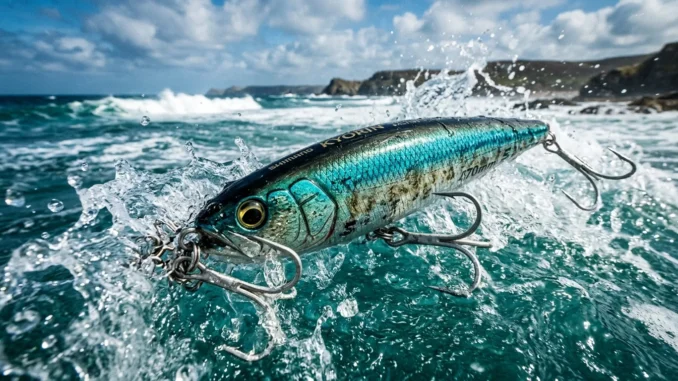
When targeting bigger fish, you generally need bigger baits. Think larger crankbaits that dive deeper, heavier jigs for punching through mats, substantial swimbaits mimicking larger forage, or robust topwater lures that create a commotion. For catfish, bigger cut bait or liver chunks are the ticket. For saltwater, larger shrimp, crabs, or whole baitfish will attract species like Snook or Striped Bass.
Your leader selection is also vital. For toothy critters like Pike or Musky, a steel or heavy fluorocarbon leader (60lb+) is non-negotiable to prevent bite-offs. For Bass or Redfish, a 15-25 lb fluorocarbon leader provides stealth and excellent abrasion resistance against rocks and timber. Knots like the Improved Clinch Knot (for mono/fluoro) and the Palomar Knot (excellent for braid and general strength) are crucial, and learning a Uni-to-Uni knot or FG knot for connecting braid to fluorocarbon leader will serve you well.
Targeting Bigger Fish: Species and Strategies
With your upgraded gear, you can now confidently pursue species that would have been too much for your old setup. Think Largemouth Bass in heavy cover, big Catfish in river currents, aggressive Pike in weed beds, or powerful inshore species like Snook and Redfish. Each species has its preferred habitat and feeding patterns.
Generally, bigger fish often relate to deeper water or heavier structure like submerged trees, rock piles, or dense weed lines. Understanding seasonal patterns becomes even more critical: spring spawning concentrates fish, summer often sends them to cooler, deeper waters, and fall brings a feeding frenzy as they bulk up for winter. Learning to “read the water” for these hiding spots is a skill that comes with experience and observation.
And with bigger fish comes bigger responsibility. Sustainable fishing practices are paramount. When targeting larger fish, especially trophy-sized ones, practice catch and release. Use barbless hooks (or crimp down barbs on existing hooks) to minimize harm, and handle fish gently with wet hands, supporting their weight, especially when taking photos. Respecting size and bag limits ensures these magnificent creatures are there for future generations of anglers. It’s not just about the catch; it’s about the conservation.
Common Mistakes When Upgrading Your Setup
- Buying Overkill Gear: Don’t jump straight to the most expensive, heaviest setup unless you truly need it. A 7-foot MH rod with a 4000 spinning reel or an entry-level baitcaster is a significant step up without being extreme.
- Mismatching Components: A heavy rod with a tiny reel, or vice-versa, will feel unbalanced and perform poorly. Ensure your rod, reel, and line are rated for similar applications.
- Neglecting Practice: Especially with a baitcasting reel, practice casting in your yard before hitting the water. It saves frustration and prevents tangles.
- Forgetting the Terminal Tackle: All the fancy rod and reel in the world won’t help if your hooks are too small or your leader isn’t strong enough for the target species.
- Ignoring Maintenance: Upgraded gear, especially reels, often requires a bit more care. Rinse saltwater gear thoroughly and keep reels lubricated.
Quick “What to Do This Weekend” Takeaway
This weekend, take stock of your current fishing. Have you been losing fish you know are bigger? Research a good quality medium-heavy spinning combo (7-foot rod, 4000-size reel) or an entry-level baitcasting combo (7-foot MH rod, baitcaster with a 7.1:1 ratio) within your budget. Many brands offer excellent options around $100-$200 for a solid combo that will last. Spool it up with 20 lb braided line and grab some 15 lb fluorocarbon leader. Then, head to a local pond or quiet area and practice casting. Get used to the feel, and then go chase those bigger fish you’ve been dreaming about!
Upgrading your gear isn’t just about getting new toys; it’s about expanding your capabilities, increasing your enjoyment, and ultimately, catching more and bigger fish. It’s a natural progression for any passionate angler. The adventure continues, and with the right tools in hand, those lunkers won’t stand a chance. Happy fishing, and I’ll see you out there on the water!
Leave a Reply