
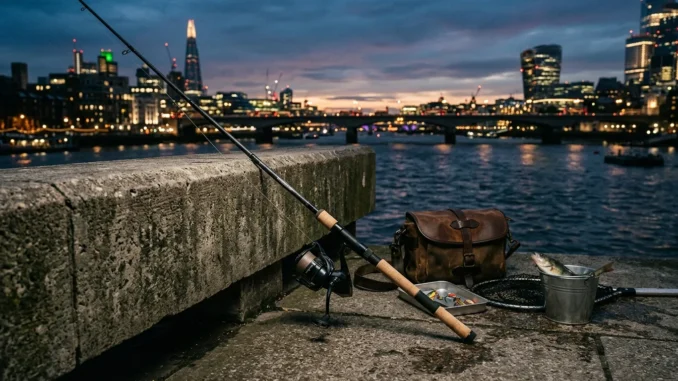
Unlock the Thrill: Your Urban Perch Fishing Adventure Starts Here
Ever gazed at the water in your local park, river, or even a city canal and wondered if there were fish swimming beneath the surface? The answer is often a resounding “yes!” And among the most exciting, accessible, and delicious targets for the urban angler is the humble yet feisty perch. These striped beauties are more common in city waters than many realize, offering a fantastic entry point for anyone looking to cast a line without driving hours out of town.
I’ve spent countless hours navigating concrete jungles to find these fish, and honestly, some of my most memorable catches have come from spots just a short walk or bike ride from my front door. If you’re an apartment dweller dreaming of a relaxing weekend hobby, or an office worker craving an outdoor escape, urban perch fishing is your ticket. It’s simple, fun, and incredibly rewarding.
Why Perch? The Perfect Urban Target
So, why focus on perch? Well, for starters, they are incredibly widespread. You’ll find different species like yellow perch, white perch, or even European perch thriving in a variety of freshwater and brackish environments across North America and Europe. This means there’s a good chance they’re in a waterway near you. They’re also not too picky, which makes them ideal for beginners, yet they offer enough fight to keep things exciting for seasoned anglers.
Beyond their prevalence, perch are fantastic table fare – mild, flaky, and delicious. Catching a meal from your local waters is an incredibly satisfying experience. Plus, they’re often found in schools, meaning if you catch one, there are likely more around! This makes for active, engaging fishing sessions that keep you on your toes. To be fair, they might not be the biggest fish out there, but what they lack in size, they certainly make up for in spirit!
Finding Perch: Your Urban Treasure Map
The first step to catching perch is knowing where to look, and thankfully, urban environments offer plenty of prime real estate. Think about any public access points to water: city parks with ponds or lakes, riverfronts, canals, storm drains emptying into larger bodies of water, and even old pier pilings or dock areas.
Decoding Perch Habitat in the City
- Structure is Key: Perch love structure. Look for submerged logs, rock piles, weed beds, bridge pilings, docks, or even concrete retaining walls. These spots offer cover from predators and ambush points for their prey.
- Depth Changes: Areas where the bottom drops off suddenly, or where shallow water transitions to deeper water, are often perch magnets. These “transition zones” allow perch to move easily between feeding grounds and safety.
- Moving Water vs. Slack Water: While perch can be found in slow currents, they often prefer areas of slightly calmer, “slack” water adjacent to current seams. This could be behind a bridge pillar or in an eddy created by a bend in the river.
For example, imagine this situation: you’re walking along a city river, and you spot a public park with a small marina or old dock. You also notice a section of the river where a slow-moving tributary empties in, creating a slight current break. These are exactly the kinds of spots I’d mark on my mental map. I’d start by casting near the dock pilings, then move towards the current break, exploring how the fish react.
Gear Up: Simple Setups for Urban Perch
You don’t need a boatload of expensive gear to catch perch. A simple, versatile setup is all it takes. My recommendation for beginners is a spinning rod and reel combo.
Your Essential Perch Rig
- Rod: A 6 to 7-foot medium-light spinning rod is perfect. This length gives you good casting distance in open urban areas and enough sensitivity to feel those subtle perch bites. The “medium-light” action means it’s flexible enough for smaller fish but still has backbone for a feisty fight.
- Reel: Pair it with a 2500 to 3000 size spinning reel. A spinning reel is the most user-friendly type of fishing reel, where the spool remains stationary and the line is wrapped around it by a rotating bail arm. It’s incredibly easy to cast and manage, making it ideal for beginners.
- Line: For line, I usually recommend 6-8 lb test monofilament line for beginners. Monofilament line (often shortened to “mono”) is a single-strand fishing line, known for its stretch, ease of tying knots, and affordability. It’s forgiving and less prone to tangles than other lines. Alternatively, you could use 10 lb braided line with a 6 lb fluorocarbon leader. Braided line is made of multiple synthetic fibers woven together, offering incredible strength for its diameter and no stretch, giving you excellent sensitivity. A fluorocarbon leader is a nearly invisible section of line tied to your main line, used because fish are less likely to see it.
- Basic Tackle:
- Small hooks: Size 6 to 10 aberdeen or baitholder hooks.
- Split shot weights: Assorted sizes to help your bait sink.
- Bobbers: Small slip bobbers or clip-on bobbers. A slip bobber slides freely up and down your line, allowing you to easily adjust your fishing depth.
- Swivels: Small barrel swivels to prevent line twist.
Honestly, you can find a decent beginner combo for well under $100. Look for brands like Ugly Stik, Shimano, or Daiwa in their entry-level spinning rod lines. These setups are robust, reliable, and will serve you well for many fishing adventures.
Bait & Lures: What Perch Can’t Resist
Perch are opportunistic feeders, which means they’ll hit a variety of offerings. This is great news for anglers, as you have options!
Live Bait for Perch
When in doubt, go with live bait. It’s often the most effective choice, especially for beginners.
- Worms: Nightcrawlers or red worms are perch candy. Thread a small piece onto your hook, leaving a bit dangling.
- Minnows: Small live minnows (1-2 inches) are incredibly effective, especially for larger perch. Hook them lightly through the lip or just behind the dorsal fin.
- Shrimp: In brackish or saltwater urban environments, small pieces of fresh or frozen shrimp can be irresistible.
Artificial Lures for Perch
If you prefer artificials, perch will readily strike small lures.
- Jigs: Small jigs (1/32 to 1/8 ounce) tipped with a small soft plastic grub (like a Mister Twister or Berkley Gulp! Minnow) or a piece of worm are deadly. A jig is a type of fishing lure, usually consisting of a weighted head and a hook, often adorned with a soft plastic body or feathers.
- Spinners: Inline spinners like Mepps or Rooster Tail in sizes 0-2 are fantastic. A spinner is a lure with a blade that rotates around a central wire shaft, creating flash and vibration in the water.
- Soft Plastics: Tiny tubes, grubs, or creature baits on a small jig head can be very effective, especially when fished slowly. Soft plastics are lures made from pliable plastic materials, designed to imitate various prey items like worms, minnows, or crawfish.
Based on my experience, early spring and late fall often see perch more aggressive towards artificials as they feed heavily. During warmer summer months, slower presentations with live bait can be more productive, especially in deeper, cooler water.
Mastering the Technique: Your Perch-Catching Playbook
Catching perch isn’t rocket science, but a few simple techniques will significantly boost your success.
Basic Perch Rigs
- Bobber Rig: This is a classic. Attach a small clip-on or slip bobber to your line, then a split shot weight about 6-12 inches above your hook. Set your bobber so your bait is suspended just above the bottom, or at the depth you’re seeing fish on your fish finder (if you have one). This rig is fantastic for fishing around submerged structure.
- Bottom Rig: For deeper water or when fish are hugging the bottom, a simple bottom rig works well. Tie a small weight (like a bell sinker or egg sinker) to the end of your line, then tie a loop knot about 6-12 inches above it, to which you’ll attach a short leader with your hook. This keeps your bait near the bottom.
Casting and Retrieval Tips
Once your bait or lure is in the water, the presentation matters. For live bait under a bobber, a simple cast and wait approach works. Watch your bobber carefully! For jigs and spinners, a slow, steady retrieve is usually best. You can add small twitches or pauses to make the lure look more enticing. When you feel a bite – a tap or a sudden pull – set the hook with a quick, upward snap of your rod tip. Setting the hook ensures the hook barb properly penetrates the fish’s mouth.
Common Mistakes to Avoid
- Too Big Bait/Lures: Perch have relatively small mouths. Don’t use hooks larger than a size 6 or lures bigger than 2 inches.
- Fishing Too Fast: Perch aren’t usually chasing down prey at lightning speed. Slow down your retrieve, especially with artificials.
- Ignoring Structure: Casting into open water is usually less effective. Always aim for areas with cover or depth changes.
- Giving Up Too Soon: If a spot isn’t producing, try adjusting your depth, bait, or moving to another piece of structure nearby.
Sustainable Perch Fishing & Your Weekend Takeaway
As passionate anglers, we all have a responsibility to protect our resources. Practice sustainable fishing: respect local size and bag limits, use barbless hooks for easier release if you’re practicing catch and release, and always pack out everything you pack in. These small actions ensure future generations can enjoy the thrill of urban perch fishing just as much as we do.
So, what would you do this weekend? Grab that medium-light spinning combo, a handful of worms, and head to your nearest city park lake, riverfront, or public pier. Look for docks, submerged trees, or any visible structure. Cast a small worm under a bobber, relax, and get ready for a feisty fight. You might be surprised at the incredible fishing opportunities right in your backyard. Happy hunting, Fish Hunter!
Leave a Reply