
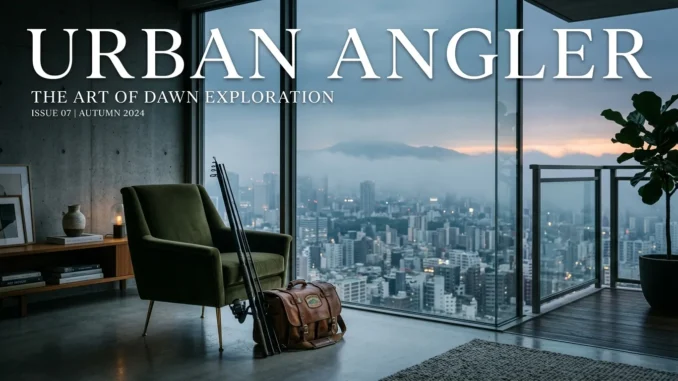
Hey fellow urban adventurer! Ever found yourself staring out your apartment window, dreaming of a weekend escape, a place where the only deadlines are the fish biting? You’re not alone. Many city dwellers think fishing is a complex, gear-heavy hobby reserved for those with boats and lakeside cabins. Honestly, that couldn’t be further from the truth. As an angler who’s spent over two decades chasing fish in everything from bustling city parks to quiet coastal piers, I can tell you that fishing is one of the most accessible, rewarding, and incredibly relaxing hobbies you can pick up, no matter where you live.
This guide is your personal roadmap to getting started, specifically designed for busy apartment dwellers and office workers looking for a slice of tranquility. We’re going to break down everything you need to know, from picking your first rod to finding those hidden urban fishing gems, all without breaking the bank or requiring a garage full of gear. Let’s cast off!
Why Fishing is Your Perfect Urban Escape (And What You Need to Start Small)
After a long week of deadlines and screen time, stepping away from the concrete jungle for a few hours with a fishing rod in hand can be incredibly therapeutic. It’s an instant stress reliever, reconnecting you with nature in a way that few other hobbies can. Plus, it’s a skill you can enjoy for a lifetime, offering both solitude and the chance to bond with friends or family.
Many people assume fishing requires a huge investment in time and money, especially if you’re living in a small space. But that’s a common misconception! For apartment dwellers, the beauty of fishing is its minimalist appeal. You don’t need a boat, a massive truck, or a dedicated fishing room. A simple, compact setup can fit easily in a closet, under a bed, or even behind a door. The key is choosing versatile, user-friendly gear that makes your first trips enjoyable and successful.
Imagine this: After a long week of emails and meetings, you grab your compact fishing rod, a small tackle bag, and walk a few blocks to a local pond or riverfront park. The city sounds fade, replaced by birdsong and the gentle ripple of water. You cast your line, feeling the fresh air, and for a few hours, the world’s worries melt away. That’s the accessible, rewarding experience we’re aiming for.
Your First Gear Kit: Simple, Effective, and Budget-Friendly
Getting started with fishing gear doesn’t have to be overwhelming. You don’t need every gadget on the market. For beginners, especially those with limited space, simplicity and versatility are your best friends. Here’s my no-nonsense guide to building your first essential fishing kit.
The Rod & Reel Combo: Your Core Setup
Forget the fancy stuff for now. What you need is a reliable spinning rod and reel combo. A spinning reel is an open-faced reel with a bail arm that you manually flip open to cast. It’s incredibly easy to learn and perfect for beginners. I recommend a 6 to 7-foot medium-light or medium power spinning rod paired with a 2500-3000 size spinning reel. This setup is incredibly versatile, capable of handling everything from small panfish to decent-sized bass or even some lighter saltwater species.
- Rod Length: 6-7 feet provides good casting distance without being unwieldy for urban environments.
- Rod Power: Medium-light or medium is a great all-around choice. It has enough backbone to fight fish but is sensitive enough to feel bites.
- Reel Size: A 2500-3000 size reel balances line capacity with overall weight, making it comfortable to cast all day.
You can often find excellent quality, budget-friendly combos from brands like Ugly Stik (the GX2 is a classic beginner choice) or Penn for around $50-$80. These combos come pre-matched and are ready to fish.
Fishing Line: The Connection to Your Catch
For your first setup, I highly recommend monofilament line. Monofilament is a single strand of nylon, known for its stretchiness and ease of use, making it forgiving for beginner knots and casting. Spool your reel with 6 to 10-pound test monofilament. It’s strong enough for most freshwater fish you’ll encounter and won’t break the bank. While braided line (multiple strands woven together for strength and sensitivity) is excellent, it can be a bit more challenging for beginners to tie knots with and is more expensive.
Essential Terminal Tackle & Basic Tools
This is the small stuff that makes a big difference. Keep it simple!
- Hooks: A small assortment of bait holder hooks (sizes 4-8) is perfect for worms and other live baits.
- Sinkers: A pack of assorted split-shot sinkers (small weights that pinch onto your line) and a few egg sinkers (egg-shaped weights with a hole through the middle) will cover your needs for getting your bait down.
- Bobbers: Clip-on bobbers are great for beginners, indicating bites visually. Bobbers are small floats that keep your bait at a certain depth and signal when a fish bites by dipping or moving.
- Pliers/Line Clippers: A small pair of needle-nose pliers (for removing hooks) and dedicated line clippers (or even nail clippers) are invaluable. Trust me, you’ll need these!
- Small Tackle Bag/Box: A compact, soft-sided tackle bag or a small plastic utility box will keep everything organized and easy to carry.
Finding Your Urban Oasis: Local Fishing Spots & Target Species
One of the biggest hurdles for apartment dwellers is often knowing where to fish. But fear not! Urban areas are often brimming with accessible fishing opportunities if you know where to look. Your local park might hold a hidden gem, or a nearby river could offer fantastic angling.
How to Scout Your Spots
My favorite method for urban spot scouting is a combination of modern tech and old-school legwork. Start with Google Maps or other satellite imaging apps. Look for blue patches – ponds, lakes, rivers, or canals – within walking or short driving distance. Zoom in and look for public access points, parks, or even piers. Next, check your local city or state park websites; many actively manage fishing ponds and provide information on fish stocking.
Don’t underestimate the power of local knowledge! Visit a nearby bait and tackle shop. These places are treasure troves of information, and the staff usually love to help new anglers. They can tell you exactly what’s biting, what bait to use, and where the best local spots are. Plus, keep an eye out for other anglers when you’re out and about – a friendly chat can reveal a lot.
Common Urban Target Species
The beauty of urban fishing is the variety of fish you can catch without traveling far. Here are some reliable targets:
- Freshwater:
- Largemouth Bass: Often found in ponds, lakes, and slower river sections. They’re aggressive fighters and respond well to worms or soft plastic lures.
- Panfish (Bluegill, Crappie, Perch): Abundant in almost any freshwater body. Perfect for beginners, they’re eager biters and fun to catch on small hooks with worms or tiny lures.
- Catfish: Found in many rivers and lakes, especially bottom feeders. They can get big and put up a great fight, often biting on stink baits or chicken liver.
- Trout: Many urban parks and state agencies stock trout, especially in cooler months. Look for designated trout streams or ponds.
- Saltwater (if you’re coastal):
- Croaker, Spot, Flounder, Spotted Seatrout: Common catches from piers, jetties, and accessible beaches. Shrimp or cut bait are often irresistible to them.
Remember to always check your local fishing regulations (state DNR or fish and wildlife websites are your go-to) for specific species, size limits, and licensing requirements before you head out. This is a critical step!
Mastering the Basics: Casting, Knot Tying, and Baiting Up
So far we’ve covered what gear to get and where to go. Now let’s get to the really critical point: the hands-on skills that will make your fishing trips successful and enjoyable. Don’t worry, these aren’t complex; they just require a little practice.
The Simple Cast: Getting Your Line Out There
For a spinning reel, casting is straightforward. Hold the rod, open the bail arm (the metal half-circle on the reel), and grip the line with your index finger. Bring the rod back over your shoulder, then smoothly sweep it forward, releasing your finger as the rod points to your target. Practice in your backyard or a local park (without hooks!) until you get the feel for it. Smoothness over power is the key to accurate, tangle-free casts.
Knot Tying: The Strongest Link
Why bother with knots? Because a bad knot means losing fish and gear, and that’s just frustrating! You only need to learn a couple of reliable knots to start. I recommend practicing these at home until they become second nature:
- Improved Clinch Knot: This is your workhorse knot for tying your fishing line directly to a hook, swivel, or lure. It’s strong and relatively easy to learn.
- Palomar Knot: An incredibly strong and reliable knot, especially good for tying lures or swivels to your line. It’s also excellent for braided line.
You can find countless video tutorials online for these knots. Watch them a few times, grab a piece of string and a key, and start practicing!
Bait Selection & Presentation: What Fish Crave
For beginners, live bait is king because it appeals to a wide variety of fish and requires less technique.
- Worms: The ultimate freshwater bait. Red wigglers or nightcrawlers (available at any bait shop or even many gas stations) catch almost anything that swims, from panfish to bass and catfish.
- Shrimp: If you’re fishing saltwater, fresh dead shrimp (from a tackle shop or grocery store) is a phenomenal bait for a huge range of species.
- Lures (Entry-Level): If you want to try lures, start with simple soft plastics like small grubs or worms (flexible, lifelike plastic baits that imitate prey). Rig them on a small jig head or Texas rig for bass. Small inline spinners are also great for panfish and trout.
When baiting, make sure your hook point is exposed for a better hook set. With worms, thread them on so they look natural and can wriggle. For shrimp, thread a piece onto the hook, leaving the tail intact if possible.
Beyond the First Cast: Sustainable Fun and Common Pitfalls
You’ve got your gear, found a spot, and learned the basics. Now, let’s talk about how to make sure every trip is enjoyable, sustainable, and free from common beginner frustrations.
Common Mistakes to Avoid
- Over-complicating your setup: Stick to the simple combo and tackle we discussed. You don’t need a dozen different lures on your first trip.
- Not checking regulations: This is crucial! Fishing without a license or keeping undersized fish can lead to fines. Always know the rules for your specific body of water.
- Impatience: Fishing requires patience. Some days the fish just aren’t biting. Enjoy the process, the scenery, and the peace.
- Forgetting basic tools: A pair of pliers for hook removal and line clippers are essential. Don’t leave home without them!
- Using old line: Monofilament degrades over time, especially in sunlight. Replace your line at least once a year to prevent frustrating break-offs.
Sustainable Fishing Practices for All
As anglers, we’re stewards of our waters. Practicing responsible fishing ensures these opportunities remain for everyone, including future generations. Catch and release is a fantastic way to enjoy fishing without impacting fish populations, especially for species you don’t intend to eat or that are out of season. If you plan to release fish, consider using barbless hooks (hooks with no barb, or simply pinch down the barb on a regular hook with pliers) as they cause less damage and make unhooking easier. Always respect size and bag limits, and please, leave no trace – pack out everything you pack in, including any discarded fishing line.
Your Quick “What to Do This Weekend” Takeaway
- Get Your License: First and foremost, head to your state’s Department of Natural Resources or Fish & Wildlife website and purchase your fishing license. It’s usually quick and inexpensive.
- Grab a Combo: Visit a local sporting goods store or even a larger department store and pick up that 6-7 ft medium spinning rod/2500-3000 reel combo. Make sure it’s spooled with 6-10 lb mono!
- Stock Up Small: Get a small pack of hooks (size 6-8), split-shot sinkers, a couple of clip-on bobbers, pliers, and clippers. Don’t forget some live worms!
- Scout Your Spot:
Use Google Maps to find a local park pond or river access point within 15-30 minutes of your apartment.
Fishing from your apartment might seem like a distant dream, but with the right mindset and a few basic tools, it’s incredibly achievable. This isn’t about becoming a tournament angler; it’s about finding peace, connecting with nature, and enjoying a truly rewarding hobby. So, what are you waiting for? Your urban fishing adventure starts now. Get out there, cast a line, and let the worries of the city drift away with the current.
Leave a Reply