
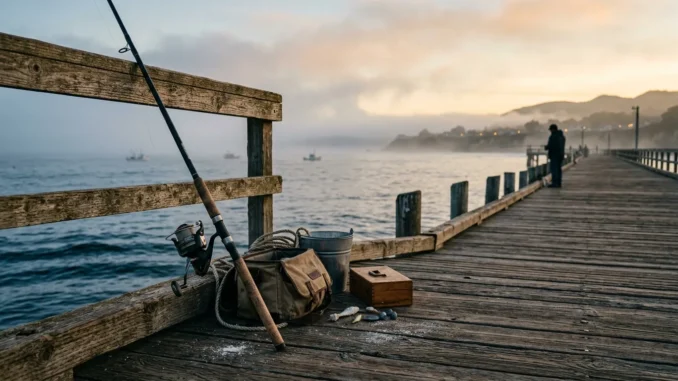
Why Pier Fishing is Your Go-To Coastal Adventure
Ever dreamt of the ocean breeze, the rhythmic crash of waves, and the thrill of a tug on your line, all without needing a boat or a complicated setup? That’s the magic of pier fishing! As an angler with decades of experience, I can tell you there’s no easier or more accessible way for a beginner to get into saltwater fishing. Piers offer a fantastic vantage point to reach deeper water and migratory fish species that often elude shore anglers, all while keeping your feet on solid ground.
Forget the stress of navigating a boat or finding remote river spots. Piers provide a ready-made fishing platform, often equipped with amenities like bait shops, restrooms, and cleaning stations. It’s perfect for apartment dwellers or office workers looking for a quick, relaxing outdoor escape. You can just show up, cast a line, and enjoy the experience. The beauty of it is, you don’t need expensive gear to start reeling in some great fish.
Assembling Your Beginner-Friendly Pier Fishing Kit
Getting started with pier fishing doesn’t require breaking the bank. My philosophy at Fish Hunter has always been about making fishing simple and successful for everyone. For pier fishing, a basic yet reliable setup is all you need. Here’s what I recommend for your first coastal adventure:
Rod, Reel, and Line: Your Core Setup
- Rod: A 7-9 foot medium-heavy spinning rod is ideal. The extra length helps with casting further from the pier and provides better leverage when fighting larger fish that might be lurking around the pilings. Look for a rod that has enough backbone to handle a decent fight but is still sensitive enough to feel those lighter bites.
- Reel: Pair your rod with a 3000-4000 series spinning reel. A spinning reel is the most beginner-friendly type, featuring an open-face design where the line spools off a stationary spool during the cast. This size reel offers a good balance of line capacity for longer casts and cranking power for bringing in fish.
- Line: For beginners on a pier, I’d suggest spooling your reel with 15-20 lb monofilament line. Monofilament line (or “mono”) is a single-strand nylon line, known for its stretch, abrasion resistance, and ease of handling, which is great for learning. If you’re feeling a bit more adventurous, consider 20-30 lb braided line with a 20-30 lb fluorocarbon leader. Braided line is made of multiple woven strands, offering incredible strength for its diameter and no stretch, which means better bite detection. A leader is a short length of line (often fluorocarbon, which is nearly invisible underwater) tied to the end of your main line, protecting it from abrasion and making your presentation more subtle.
Essential Terminal Tackle and Accessories
Terminal tackle refers to all the bits and pieces you tie onto the end of your fishing line. Here’s a basic list:
- Hooks: A variety of sizes (e.g., #1, 1/0, 2/0 circle hooks or Kahle hooks). Circle hooks are fantastic for beginners because they usually hook fish in the corner of the mouth, making catch-and-release much safer for the fish. Plus, you don’t need to “set the hook” aggressively; just reel in when you feel a bite.
- Sinkers (Weights): Pyramid or egg sinkers in various weights (1-3 oz) to hold your bait on the bottom against currents. Sinkers are simply weights that help cast your line further and keep your bait at the desired depth.
- Swivels: Barrel swivels (size 7-10) help prevent line twist, especially when using cut bait that might spin in the current. A swivel is a small metal device that allows your line to rotate freely, reducing tangles.
- Pliers/Line Cutters: Crucial for cutting line, removing hooks, and crimping weights.
- Small Cooler/Bucket: To keep your bait fresh and your catch (if keeping) on ice.
- Sun Protection: Hat, sunglasses, sunscreen – piers offer little shade.
- Rag/Towel: For wiping hands or handling fish.
Mastering Bait, Lures, and Essential Pier Techniques
Now that you have your gear, let’s talk about what to put on the hook and how to get it to the fish. Pier fishing offers a diverse range of species, from panfish like Croaker and Pinfish to larger game fish such as Spotted Seatrout, Flounder, Spanish Mackerel, and even smaller sharks. Your bait and technique will depend on what you’re targeting, but for beginners, simplicity is key.
Top Baits for Pier Fishing
- Shrimp: Hands down, the most versatile and effective pier bait. Both live shrimp (if available) and frozen shrimp (cut into pieces) work wonders for almost any fish you’ll encounter.
- Squid: Tough, stays on the hook well, and catches a wide variety of fish. Cut it into strips or small squares.
- Cut Bait: Small pieces of oily fish like sardines, mullet, or finger mullet are excellent for bigger fish.
- Bloodworms/Fishbites: Great for smaller bottom feeders like Croaker, Pinfish, and Whiting. Fishbites are synthetic, scented baits that mimic natural options and are easy to use.
Basic Pier Fishing Rigs and Techniques
For a beginner, I recommend two simple setups:
- Bottom Rig: This is your go-to. Tie a Palomar Knot (excellent for braided line) or Improved Clinch Knot (great for mono) to attach your main line to a swivel. Then, tie a 1-2 foot leader from the other end of the swivel to your hook. Above the swivel, slide on an egg sinker (this is called a “fish-finder rig” as the line can slide through the sinker, allowing the fish to take the bait without feeling immediate resistance). Alternatively, you can use a pre-tied high-low rig which has two hooks and a sinker at the bottom. Cast this rig out, let it sink, and wait for a bite. This rig targets species like Pompano, Whiting, Croaker, and Red Drum.
- Float Rig (Popping Cork): For fish that feed higher in the water column, like Spanish Mackerel or Speckled Trout. Attach a popping cork (a buoyant float that makes a “pop” sound when jerked, attracting fish) to your main line, then a 2-4 foot leader with a hook. Bait it with live shrimp or a small lure. Cast it out and periodically twitch your rod tip to make the cork pop. It’s a visual and exciting way to fish!
When fishing, pay attention to the tides and currents. Fishing around high tide or low tide changes often brings more activity. Look for structure like pier pilings, which attract baitfish and, consequently, bigger predators. For example, imagine this situation: it’s early morning, the tide is just starting to come in, and you see birds diving a bit further out. That’s a strong signal that baitfish are active, and bigger fish like mackerel or blues might be feeding nearby. Cast your float rig in that direction!
Avoiding Common Pier Pitfalls & Fishing Smart
Even with the simplest setup, beginners can run into a few common snags. Honestly, I’ve seen (and made!) these mistakes myself in my early days. But what would you do in this situation?
- Tangling Lines: Piers can get crowded. Always be mindful of other anglers. Cast in a consistent direction and try not to cast over someone else’s line. If you do get tangled, communicate calmly and work together to untangle.
- Losing Tackle: Pier pilings are notorious for snagging hooks and sinkers. If you get snagged, try pulling from a different angle. Sometimes, letting out a bit of slack and then pulling can free it. If not, it’s better to break off and re-tie than to damage your rod or reel. This is why having extra terminal tackle is crucial!
- Not Checking Regulations: Before you even cast, know the local fishing regulations. This includes size limits, bag limits, and any seasonal closures for specific species. Most piers will have signage, or you can check your state’s wildlife agency website. A fishing license is almost always required, even on a pier.
- Poor Knot Tying: A weak knot is a lost fish. Practice your Improved Clinch Knot and Palomar Knot at home. A good knot is your direct connection to the fish, and a little practice goes a long way.
Let me add something here: sustainable fishing practices are not just good, they’re essential. If you’re not planning to eat your catch, consider catch and release. Handle fish gently with wet hands, remove hooks quickly, and use barbless hooks (or crimp down the barb on regular hooks) to minimize harm. Always release fish that are undersized or protected. We want these fisheries to thrive for generations to come, and it starts with us, the anglers.
Your Coastal Fishing Journey Starts This Weekend!
Pier fishing is more than just catching fish; it’s about soaking in the environment, enjoying the company of fellow anglers, and finding a peaceful escape from the daily grind. It’s an incredibly rewarding hobby that doesn’t demand a huge investment of time or money to get started. With the right basic gear, a bit of fresh bait, and these straightforward techniques, you’re well on your way to a successful and relaxing day on the pier.
So, what are you waiting for? Grab a simple spinning combo, a handful of hooks and sinkers, some fresh shrimp, and head to your nearest coastal pier this weekend. The ocean is calling, and your next fishing adventure awaits. You’ll be surprised how quickly you gain confidence and start reeling in fish. Happy fishing from your friends at Fish Hunter!
Leave a Reply