
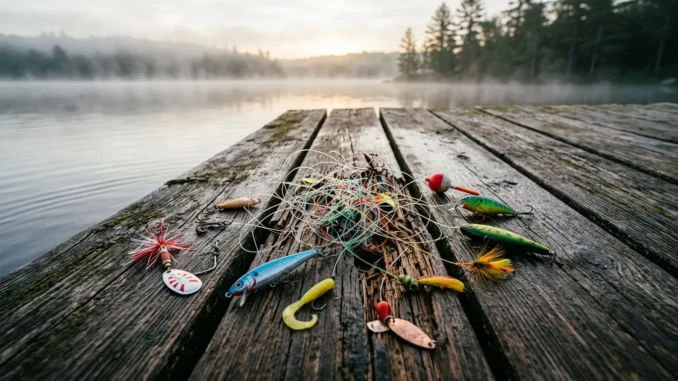
Introduction to Common Fishing Mistakes
As a seasoned angler, I’ve seen many beginners make the same mistakes that can easily be avoided with a little knowledge and practice. Have you ever found yourself out on the lake, excited to catch your first fish, but after hours of waiting, you still haven’t gotten a bite? You start to wonder if it’s the fishing gear you’re using or if you’re just not using the right fishing techniques. The truth is, it’s probably a combination of both, along with a few other common mistakes that beginner anglers make.
Fishing is a skill that takes time to develop, and it’s okay to make mistakes. The key is to learn from them and adjust your approach accordingly. With over 20 years of real-world fishing knowledge, I’ve identified five common mistakes that beginner anglers make, and I’m excited to share them with you so you can avoid them and become a better angler.
So, what are these common mistakes? Let’s dive in and explore each one in detail. From choosing the wrong fishing gear to using the wrong bait or lure, we’ll cover it all. By the end of this article, you’ll have a clear understanding of what to do and what not to do to ensure a successful and enjoyable fishing experience.
Choosing the Wrong Fishing Gear
Understanding Your Options
One of the most critical mistakes beginner anglers make is choosing the wrong fishing gear. With so many options available, it can be overwhelming to decide what to use. But what would you do in this situation? Would you choose a spinning reel or a baitcasting reel? The answer depends on the type of fishing you’re doing and the species you’re targeting.
Spinning reels are a great option for beginners because they’re easy to use and require less maintenance than baitcasting reels. However, baitcasting reels offer more precision and control, making them a better choice for experienced anglers. When it comes to fishing rods, a medium-action rod is a good all-purpose choice for beginners. Some recommended fishing gear for beginners includes:
- A 6-7 ft medium spinning rod paired with a 2500-3000 size spinning reel
- 6-12 lb monofilament line for freshwater fishing
- 10-20 lb braided line for saltwater fishing or targeting larger species
It’s essential to do your research and choose the right gear for your specific fishing needs. Don’t be afraid to ask for advice at your local tackle shop or seek guidance from an experienced angler.
Using the Wrong Bait or Lure
Matching the Hatch
Another common mistake beginner anglers make is using the wrong bait or lure. Different species are attracted to different types of bait or lures, so it’s essential to do your research and choose the right one for the job. For example, if you’re targeting Largemouth Bass, live worms or crankbaits are excellent choices.
But what about Trout or Salmon? In these cases, fly fishing or using spinners can be more effective. It’s all about matching the hatch and using the right bait or lure for the specific species you’re targeting. Some other bait and lure recommendations include:
- Shrimp for saltwater fishing
- Soft plastics for targeting Bass or Walleye
- Spinners or spoons for targeting Trout or Salmon
Remember, the key to successful fishing is to understand the behavior and preferences of your target species. By choosing the right bait or lure, you’ll increase your chances of catching fish and having a more enjoyable experience.
Fishing at the Wrong Time or Place
Understanding Seasonal Patterns
Fishing at the wrong time or place is another common mistake beginner anglers make. Different species are active at different times of the day and year, and understanding these seasonal patterns is crucial for success. For example, during the spring spawning season, Bass are more likely to be found in shallow water, while during the summer months, they tend to move to deeper water.
It’s not just about the time of year, but also the time of day. Early morning and late evening are often the best times to fish, as this is when many species are most active. Consider the weather and water conditions when planning your fishing trip, and be prepared to adjust your strategy accordingly.
Some recommended fishing times and locations include:
- Early morning or late evening for targeting Bass or Trout
- Structure such as rocks, weeds, or drop-offs for targeting Walleye or Perch
- Shallow water during the spring spawning season for targeting Bass
By understanding the seasonal patterns and fishing at the right time and place, you’ll increase your chances of catching fish and having a more successful fishing experience.
Tying the Wrong Knot or Using the Wrong Line
Basic Knots and Line Types
Tying the wrong knot or using the wrong line is another common mistake beginner anglers make. A good knot can make all the difference in landing a fish, while the wrong line can lead to break-offs and lost fish. For example, the Improved Clinch Knot is a reliable choice for attaching lures or hooks to your line.
But what about line types? Monofilament and braided lines are two popular options, each with their own advantages and disadvantages. Monofilament line is a good choice for freshwater fishing or targeting smaller species, while braided line is better suited for saltwater fishing or targeting larger species.
Some recommended knots and line types include:
- The Improved Clinch Knot for attaching lures or hooks to your line
- Monofilament line for freshwater fishing or targeting smaller species
- Braided line for saltwater fishing or targeting larger species
By choosing the right knot and line, you’ll increase your chances of landing fish and having a more successful fishing experience.
Conclusion and Final Tips
As a beginner angler, it’s essential to be aware of the common mistakes that can hinder your success. By choosing the right fishing gear, using the right bait or lure, fishing at the right time and place, and tying the right knot and using the right line, you’ll increase your chances of catching fish and having a more enjoyable experience.
Remember, fishing is a skill that takes time to develop, and it’s okay to make mistakes. The key is to learn from them and adjust your approach accordingly. With practice and patience, you’ll become a more confident and successful angler.
So, what are you waiting for? Get out there and start fishing! Don’t be afraid to try new things and experiment with different techniques. And most importantly, have fun and enjoy the experience.
Leave a Reply