
Why Largemouth Bass? Your Perfect First Catch!
Ever dreamt of that exhilarating tug on your line, the bend in your rod, and the thrill of reeling in a feisty fish? For countless anglers, especially beginners, that dream starts with the Largemouth Bass. These fantastic fish aren’t just widespread and accessible; they’re aggressive, put up an incredible fight, and are honestly just plain fun to catch. They’re the perfect gateway species for anyone looking to dive into the world of fishing, whether you live in an apartment or have a sprawling backyard.
Largemouth Bass thrive in a variety of freshwater environments – from small urban ponds and reservoirs to big lakes and slow-moving rivers. This means you likely have a prime bass fishing spot closer than you think! Unlike some elusive species, bass are often willing to strike a variety of baits and lures, making them incredibly forgiving for newcomers. Based on my experience, there’s nothing quite like the explosive strike of a Largemouth Bass to get your heart pumping.
Gearing Up: Simple & Effective Bass Fishing Tackle
You don’t need to break the bank or fill your garage with gear to start fishing for bass. My philosophy, especially for beginners, is to keep it simple, effective, and budget-friendly. We’re aiming for success without the fuss!
Rods & Reels: The Dynamic Duo
For Largemouth Bass, a versatile setup is key. I always recommend starting with a spinning rod and reel combo. A spinning reel is the most user-friendly type of reel, great for casting lighter lures and baits with ease. Pair this with a 6 to 7-foot medium-action spinning rod. A “medium action” rod means it bends in the upper half of its length, offering a good balance of power for casting and sensitivity for feeling bites, while still having enough backbone to handle a good-sized bass.
For the reel, a 2500 or 3000 size is ideal. These numbers refer to the reel’s capacity and retrieve power; a 2500-3000 size offers a great balance for bass fishing. Brands like Ugly Stik (their GX2 combo is fantastic value) or a basic Penn Battle III setup offer excellent durability and performance without emptying your wallet. Honestly, for your first few trips, a decent combo under $100 will serve you incredibly well.
Line Choices: What’s Best for You?
The line connecting you to the fish is crucial. For beginners, I strongly suggest starting with 8 to 12-pound monofilament line. Monofilament is a single-strand nylon line that’s affordable, easy to tie knots with, and has a good amount of stretch, which can be forgiving when a bass makes a sudden run. It’s also nearly invisible underwater, a definite plus.
As you gain experience, you might explore braided line. Braided line, made of multiple strands woven together, is much stronger for its diameter and has almost no stretch, offering incredible sensitivity for feeling even the lightest bites. A 10 to 20-pound braided line is common for bass. However, its lack of stretch and slicker texture can make knot tying a bit more challenging for beginners, so stick with mono initially.
Essential Terminal Tackle & Tools
Your tackle box doesn’t need to be a treasure chest. Here’s a basic checklist:
- Hooks: A small pack of 1/0 to 3/0 EWG (Extra Wide Gap) worm hooks. These are perfect for rigging soft plastics weedless.
- Sinkers: A few 1/8 to 1/4 ounce bullet weights. These slide onto your line to help baits sink.
- Swivels: Small barrel swivels (size 7-10) to prevent line twist.
- Bobbers: A couple of clip-on bobbers can be great for suspending live bait.
- Pliers: Small needle-nose pliers are invaluable for removing hooks safely and cutting line.
- Line Clippers: A small pair of nail clippers works wonders for trimming excess line.
- Small Tackle Box: Just something to keep everything organized.
Finding and Catching Bass: Where & How to Cast
You’ve got your gear; now, where do you find these elusive green fish, and how do you get them to bite? This is where the real fun begins, understanding their world just a little bit.
Reading the Water: Where Bass Hide
Largemouth Bass are ambush predators. They love cover and structure – anything they can hide in or around to surprise their prey. Look for:
- Lily Pads & Weeds: These offer shade, cover, and attract baitfish.
- Submerged Logs & Rocks: Underwater debris provides excellent ambush points.
- Docks & Piers: The shade and pilings are magnets for bass.
- Brush Piles: Any fallen trees or branches in the water are prime real estate.
- Drop-offs: Areas where the bottom depth changes quickly.
For example, imagine this situation: you arrive at a local pond and see a line of old wooden docks stretching out. The water under them is shaded, and you spot some small minnows darting around. That’s a textbook bass spot, practically begging for a cast!
Bait & Lure Strategies: From Live Worms to Basic Lures
For your first few trips, keep your bait simple and effective. My number one recommendation for beginners is live worms (nightcrawlers). Rigged under a bobber or Texas-rigged (more on that in a moment), worms are irresistible to bass and countless other species.
Once you’re comfortable with live bait, venture into lures:
- Soft Plastics: These are incredibly effective and versatile. Think plastic worms or stick baits like a Senko. To rig them Texas-style, thread the hook point into the worm’s head, bring it out the side, then rotate the hook 180 degrees and bury the point back into the worm’s body. This makes it virtually weedless, allowing you to cast into thick cover without snagging.
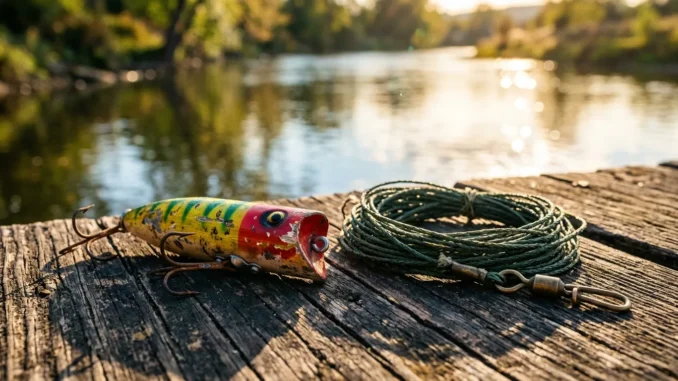
- Crankbaits: A crankbait is a hard plastic lure with a lip that makes it dive when retrieved. Small, shallow-diving crankbaits in natural colors (green pumpkin, perch patterns) are great for covering water. Simply cast it out and reel it back in at a steady pace.
- Spinnerbaits: These lures have a wire frame with one or more spinning blades, creating flash and vibration that bass can’t resist. Cast and retrieve, varying your speed.
To be fair, there’s a huge world of lures out there, but start with these basics. You’ll be amazed at their effectiveness. Remember, bass are often caught by varying your retrieval speed and making your lure look like an injured or easy meal.
Basic Casting & Retrieval Techniques
Practice makes perfect, but the basic cast for a spinning reel is straightforward. Open the bail (the metal arm on the reel), grab the line with your index finger, bring the rod over your shoulder, and then flick it forward, releasing the line as the rod points towards your target. Close the bail once the lure hits the water. Retrieval usually involves a slow, steady crank, but don’t be afraid to add pauses, twitches, or speed bursts to entice a strike. What’s the secret to finding them? It’s often about patience and trying different spots and retrieves until you figure out what they like that day.
Beyond the Cast: Knots, Ethics, and Common Pitfalls
Landing a fish is just one part of the equation. Knowing how to secure your tackle and respect the environment are equally important skills for any angler.
Essential Knots: Your Connection to the Fish
A weak knot is a lost fish. You don’t need to know dozens of knots, but mastering two or three reliable ones will serve you well:
- Improved Clinch Knot: This is a fantastic all-around knot for tying hooks, swivels, and lures directly to your monofilament or fluorocarbon line. It’s strong and relatively easy to learn.
- Palomar Knot: Often considered one of the strongest knots, especially great for braided line or when using lures with an eyelet. It’s a favorite for tying on soft plastic hooks.
There are plenty of videos online for step-by-step instructions. Practice them at home until you can tie them confidently in the field. Your line is your only connection to that fish, so make it a strong one!
Sustainable Bass Fishing: Be a Responsible Angler
As anglers, we’re stewards of our waters. Practicing sustainable fishing ensures healthy fish populations for everyone, including future generations.
- Catch and Release: For Largemouth Bass, especially bigger ones, practicing catch and release is highly encouraged. Handle fish gently, minimize their time out of water, and use wet hands to protect their slime coat.
- Barbless Hooks: Pinching down the barb on your hook (or buying barbless hooks) makes it much easier to remove the hook, reducing harm to the fish.
- Respect Size & Bag Limits: Always check your local regulations. These limits are in place to protect fish populations.
- Leave No Trace: Pack out everything you pack in. Let’s keep our fishing spots clean and beautiful.
Troubleshooting Common Beginner Mistakes
Everyone makes mistakes, especially when starting out. Here are a few common ones and how to avoid them:
- Not Checking Knots: Always give your knot a quick tug to test its strength before casting.
- Setting the Hook Too Early/Late: With soft plastics, wait until you feel a solid “thump” or the line moving before setting the hook with a strong, upward sweep of the rod.
- Fishing in Barren Water: If you’re not getting bites after 15-20 minutes, move to a new spot with more cover or structure. Don’t be afraid to change locations!
- Getting Frustrated: Fishing takes patience. Some days are just slower than others. Enjoy the process, the outdoors, and the peace it brings.
Your First Bass Trip: What to Do This Weekend!
So far, we’ve covered the why, what, and how of getting started with Largemouth Bass. Now, it’s time to put it all into action! This weekend, don’t overthink it. Grab that 6-7 ft medium spinning combo, spool it with 10 lb monofilament, tie on a 1/0 EWG hook, and pick up a pack of soft plastic worms or a container of nightcrawlers. Find a local pond or lake with some visible cover—lily pads, fallen trees, or docks are perfect.
Cast your line, enjoy the fresh air, and pay attention to what the water tells you. Remember to handle any catches gently and release them safely to fight another day. The biggest tip I can give you as a seasoned urban angler? Just get out there! Every cast is a chance to learn, every bite is a thrill, and every trip is a step towards becoming a more confident and relaxed angler. Your first Largemouth Bass is waiting for you at Fish Hunter!
Leave a Reply