
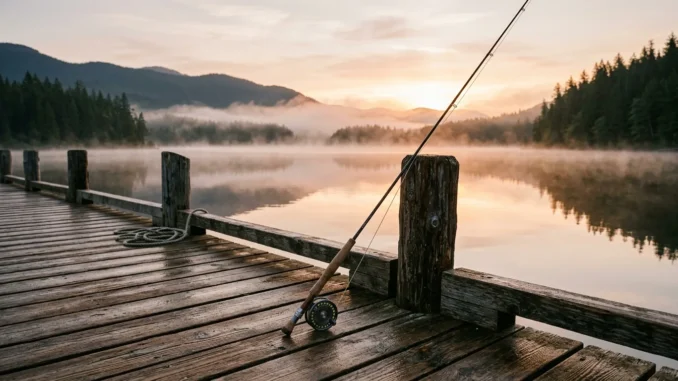
Introduction to Bank Fishing
Bank fishing is a great way to enjoy the outdoors and catch fish without the need for a boat. Whether you’re fishing from a shoreline, pier, or dock, there are many techniques and secrets that can help you maximize your catch. In my opinion, bank fishing is one of the most accessible and rewarding types of fishing, as it allows you to connect with nature and challenge yourself to catch fish in a variety of environments.
For example, imagine this situation: you’re fishing from a pier on a sunny summer day, and you’re not sure what type of bait to use. Do you go with a classic worm or try something more exotic like a lure? The answer depends on the type of fish you’re targeting and the conditions of the water. Understanding the basics of bank fishing is crucial to making informed decisions like this and increasing your chances of catching fish.
To get started with bank fishing, you’ll need a few basic pieces of gear, including a rod and reel, line, and bait. Based on my experience, a 6-7 ft medium spinning rod paired with a 2500-3000 size reel is a great combination for beginners. You’ll also want to choose a line that’s suitable for the type of fishing you’ll be doing, such as 6-12 lb monofilament for smaller fish or 10-20 lb braided line for larger species.
Choosing the Right Location
Understanding Water Conditions
When it comes to bank fishing, the location is everything. You need to choose a spot that has the right conditions for the type of fish you’re targeting. This includes factors like water depth, temperature, and structure. For example, if you’re fishing for Largemouth Bass, you’ll want to look for areas with plenty of cover, such as weeds, rocks, or sunken logs.
But what would you do in this situation: you arrive at the lake and the water is choppy and windy? Do you still try to fish, or do you look for a more sheltered spot? Honestly, it’s usually best to wait for the water to calm down before trying to fish, as this will make it easier to cast and increase your chances of catching fish.
Some of the best locations for bank fishing include shoreline drop-offs, where the water suddenly drops off from shallow to deep, and structure like rocks or weeds, which can provide ambush points for fish. You can also try fishing from piers or docks, which can provide access to deeper water and a variety of fish species.
Techniques and Strategies
Bait and Lure Selection
Once you’ve chosen a location, it’s time to think about the type of bait or lure you’ll use. This will depend on the type of fish you’re targeting, as well as the conditions of the water. For example, if you’re fishing for Trout, you may want to use a small spinner or fly, while if you’re fishing for Catfish, you may want to use a bottom rig with bait like worms or chicken livers.
Let me add something here: it’s also important to consider the time of day and the season when choosing your bait or lure. For example, during the spring spawning season, fish like Bass and Panfish are often more active and willing to bite, while during the summer months, fish may be more lethargic and require more enticing baits.
Some other techniques to keep in mind when bank fishing include casting at different angles to cover more water, using a variety of retrieval speeds to imitate different types of prey, and paying attention to your line and bait to detect even the lightest bites.
Common Mistakes and Troubleshooting
One of the most common mistakes beginners make when bank fishing is not being patient enough. It’s easy to get frustrated when you’re not catching fish right away, but the truth is that fishing is often a waiting game. You need to be willing to spend time waiting for a bite, and to adjust your techniques and strategies as needed.
Another mistake is not respecting the environment. This includes things like catch and release fishing, to help conserve fish populations, and following local regulations, such as size limits and bag limits. By being a responsible and sustainable angler, you can help ensure that fish populations remain healthy and thriving for generations to come.
To be fair, bank fishing can be challenging, especially for beginners. But with practice and patience, you can develop the skills and knowledge you need to succeed. Some other tips for troubleshooting common problems include checking your gear regularly to make sure everything is in good working order, trying different baits and lures to see what works best, and seeking out advice from more experienced anglers who can offer valuable insights and guidance.
Conclusion and Final Tips
Bank fishing is a fun and rewarding hobby that can be enjoyed by people of all ages and skill levels. By choosing the right location, using the right techniques and strategies, and being patient and responsible, you can increase your chances of catching fish and having a great time on the water. So far we covered the basics of bank fishing, and now let’s get to the really critical point: getting out there and giving it a try.
What to do this weekend: grab your gear and head to a nearby lake or river to try your hand at bank fishing. Don’t be afraid to experiment and try new things – and don’t get discouraged if you don’t catch anything right away. With time and practice, you’ll develop the skills and knowledge you need to become a successful bank fisherman.
Leave a Reply