
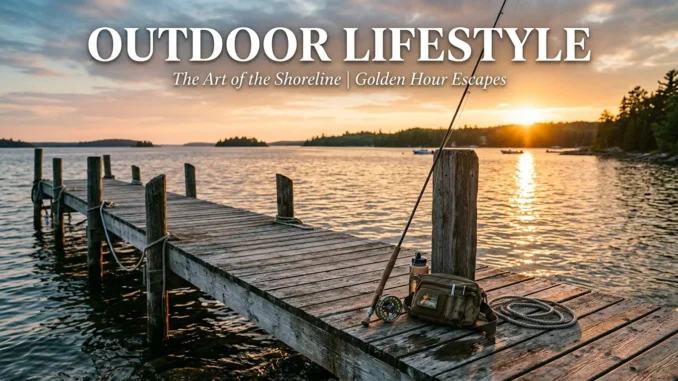
Unlock the Power of Bank Fishing: Your Path to Relaxation and Reel Action
Ever gazed at a lake, river, or ocean from the shore and wondered what it would be like to cast a line and feel the thrill of a fish on the other end? Good news: You don’t need a fancy boat or expensive equipment to enjoy fantastic fishing. Bank fishing—casting from shore, a pier, or a dock—is arguably the most accessible, relaxing, and rewarding way to get into the sport. It’s perfect for busy apartment dwellers, office workers, or anyone looking for a peaceful escape and the excitement of a tug on the line.
As a seasoned angler who’s spent more hours than I can count on countless banks, piers, and docks, I’m here to tell you that success isn’t about luck; it’s about understanding a few simple principles. Forget the overly complicated setups; we’re going to focus on practical, actionable advice that will have you catching fish this weekend. Let’s dive in and transform your shoreline strolls into memorable fishing adventures.
Your Essential Bank Fishing Gear: Simple, Effective, and Budget-Friendly
The beauty of bank fishing is its simplicity. You don’t need a tackle shop full of gear to get started. My philosophy has always been to maximize enjoyment with minimal fuss. For beginners, a simple, versatile setup is key to building confidence and avoiding frustration.
The Perfect Beginner Combo: Rod, Reel, and Line
- Rod & Reel Combo: Start with a spinning rod and reel combo. A 6 to 7-foot medium-action spinning rod paired with a 2500 to 3000 size spinning reel is your all-around workhorse. This setup offers enough power to handle a variety of fish, from panfish to decent-sized bass or even smaller saltwater species, while still being light enough for comfortable casting all day. A spinning reel is incredibly user-friendly for beginners because it minimizes tangles and makes casting intuitive.
- Fishing Line: For most freshwater bank fishing, I recommend starting with 6 to 10-pound test monofilament line. Monofilament, often called “mono,” is stretchy, easy to tie knots with, and forgiving for new anglers. It’s also less visible underwater. For situations where you might encounter bigger fish or want more sensitivity, like on a saltwater pier, you could consider 10 to 20-pound test braided line. Braided line is incredibly strong for its diameter and has no stretch, offering excellent sensitivity, but it can be a bit trickier to tie knots with for absolute beginners.
Beyond the Basics: A Smart Tackle Box
Don’t overpack! Your essential tackle box should be compact and focused. Here’s a quick checklist:
- Hooks: A variety of sizes (e.g., #6, #4, #2, 1/0, 2/0) to match different baits and fish mouths. Circle hooks are excellent for beginners and catch-and-release, as they usually hook fish in the corner of the mouth, causing less harm.
- Sinkers (Weights): Split-shot weights (small, pinch-on) and egg or bullet sinkers (1/8 oz to 1/2 oz) for getting your bait down to the fish.
- Bobbers/Floats: Small, clip-on bobbers are perfect for suspending your bait at a specific depth and indicating bites.
- Swivels and Snaps: Small barrel swivels (size 10-12) prevent line twist, and snaps make changing lures quick and easy.
- Pliers/Forceps: Essential for removing hooks safely and cutting line.
- Small First-Aid Kit: For minor cuts or scrapes.
- Sun Protection: Hat, sunglasses, sunscreen. Trust me, the sun is stronger than you think, even on cloudy days.
- Water & Snacks: Stay hydrated and energized!
Honestly, you can get a decent beginner spinning combo for under $70-100, and a basic tackle kit for another $30-50. It’s a small investment for endless hours of enjoyment.
Reading the Water: Where Fish Hide on Shorelines, Piers, and Docks
This is where the “secrets” really begin. You can have the best gear, but if you’re casting into barren water, you won’t catch much. Fish are creatures of habit; they seek food, cover, and comfortable temperatures. Learning to “read the water” is the single most important skill for a bank angler.
Identifying Fish-Holding Structures from Shore
When you’re walking the bank, keep an eye out for these hotspots:
- Cover: Think about anything that offers shelter or shade. Overhanging trees, submerged logs, rock piles, lily pads, weed beds, and even man-made structures like old tires or concrete blocks are prime real estate for fish. Bass, panfish, and pike love to ambush prey from cover.
- Structure: This refers to changes in the lake or river bottom. Look for points that jut out into the water, sudden drop-offs (where shallow water quickly becomes deep), channels, or even subtle changes in bottom composition. Fish often cruise these areas or hold on the edges where they can easily move between shallow feeding grounds and deep safety.
- Current Seams: In rivers, look for areas where fast-moving water meets slower water, creating a “seam.” Fish will often sit in the calmer water of the seam, waiting for food to be swept past them by the current. Eddies (swirling pockets of water behind obstacles) are also excellent spots.
For example, imagine this situation: You arrive at a new lake. Instead of just casting straight out into the middle, you notice a fallen tree extending halfway into the water, creating shade. Further down, there’s a small patch of lily pads near a rocky outcropping. Where would you cast first? My money is on the fallen tree and the lily pads. Fish feel safe there, and they know food will be hanging around.
Piers and Docks: Built-in Fish Magnets
Piers and docks are bank angler goldmines. Why? Because they provide structure, shade, and often attract baitfish. Focus your efforts:
- Pilings: The vertical supports of piers and docks are like artificial reefs. Algae grows on them, attracting small baitfish, which in turn attracts bigger predators. Cast your bait or lure tight against the pilings.
- Shade Lines: Especially on sunny days, fish will congregate in the shade cast by the pier or dock. Work your bait along the edges of these shadow lines.
- Underneath: If you can safely cast underneath a dock, do it! The darkness and protection offer ideal ambush points.
- Near the End: Often, the end of a pier or dock reaches deeper water or closer to a channel, making it a highway for migrating fish.
Remember, fish don’t have hands to build homes, so they use what nature (or humans) provide. Your job is to find those homes.
Bait & Lure Strategies: What to Offer and How to Present It
Now that you know where the fish are, what do you offer them for dinner? Matching your bait or lure to the local fish and their natural forage is crucial.
Live Bait: The Universal Appetizer
For beginners, live bait is a cheat code. It smells, moves, and looks natural, often enticing even finicky fish. My go-to choices:
- Worms (Nightcrawlers, Red Wigglers): The king of freshwater bait. Almost every freshwater species, from Largemouth Bass and trout to catfish and panfish (like bluegill and perch), will devour a worm. Thread them onto a hook, or just hook them once or twice through the middle, allowing them to wiggle.
- Minnows: Excellent for targeting predatory fish like bass, trout, crappie, and pike. Hook them lightly through the lips or just behind the dorsal fin.
- Shrimp (Fresh or Frozen): A saltwater superstar! Shrimp are irresistible to snapper, redfish, flounder, and many other coastal species. Hook them through the tail for better casting.
- Corn/Dough Balls: Great for carp and some panfish in freshwater.
Using a simple hook, split-shot weight, and a bobber rig is incredibly effective with live bait. Cast it out, let it sit, and watch that bobber for any twitch or dive!
Lure Fishing: Active and Engaging
Lures require a bit more active participation, but they can be incredibly rewarding. They allow you to cover more water and mimic prey in different ways. For bank fishing, keep it simple:
- Soft Plastics (e.g., Senkos, Grubs, Worms): Extremely versatile for bass, walleye, and even panfish. Rig them “Texas-style” (weedless) to avoid snags in cover, or on a small jig head. Slowly drag, hop, or twitch them along the bottom.
- Spinners (e.g., Mepps, Rooster Tail): Fantastic for trout, panfish, and smaller bass. The spinning blade creates flash and vibration, irresistible to many fish. Simply cast and retrieve at a steady pace.
- Crankbaits: These hard-bodied lures dive when retrieved, mimicking baitfish. Different crankbaits dive to different depths, so choose one that gets into the zone where you expect fish. A medium-diving crankbait is a good starting point for bass and pike.
- Topwater Lures (e.g., Poppers, Walk-the-Dog baits): Exhilarating for bass and pike, especially at dawn or dusk. They sit on the surface, creating splashes and commotion, triggering aggressive strikes.
When tying on a lure or hook, a reliable knot is paramount. The Improved Clinch Knot is a fantastic all-purpose knot for tying monofilament or fluorocarbon to hooks, swivels, and lures. For braided line, or when you need exceptional strength, the Palomar Knot is my absolute favorite; it’s incredibly strong and fairly easy to learn. Practice these at home, and they’ll become second nature.
Timing, Tactics, and Troubleshooting for Consistent Catches
You’ve got the gear, you know where to cast, and you’ve picked your bait. Now let’s refine your approach and tackle common snags.
The Best Times to Fish from Shore
Fish are generally most active during certain periods. Understanding these patterns will significantly increase your success:
- Time of Day: Dawn and dusk are prime times. The lower light conditions make fish feel safer to hunt, and temperatures are usually more comfortable. Overcast days can also be excellent throughout the day.
- Seasonal Patterns:
- Spring: Fish move into shallower waters for spawning. This is a fantastic time for bank anglers! Look for fish near spawning beds or warming shallow flats.
- Summer: Fish often move to deeper, cooler water during the heat of the day. Target them early morning, late evening, or in shaded areas.
- Fall: A “feeding frenzy” as fish bulk up for winter. They can be very aggressive and active, making this a prime season for shore fishing.
- Winter: Fishing slows down, but fish can still be caught, often in deeper holes or slower-moving waters.
- Tides (Saltwater): Fishing around moving tides (incoming or outgoing) is usually more productive than slack tide. Moving water brings food and stimulates fish activity.
Common Bank Fishing Mistakes (and How to Avoid Them)
Every angler makes mistakes, especially when starting out. Here are a few common ones I’ve seen:
- Fishing One Spot Too Long: If you’ve made 10-15 good casts in a spot with no bites, move! Fish aren’t everywhere. Keep moving along the bank, trying different types of cover and structure.
- Ignoring the Conditions: Is it sunny and hot? Fish might be deep or in heavy shade. Is it windy? Fish might be on the calm side of a point. Pay attention to temperature, light, and wind.
- Wrong Bait/Lure for the Conditions: If fish aren’t biting a fast-moving crankbait, try a slow-moving soft plastic or live worm. If they ignore a small worm, try a bigger one or a minnow. Experiment!
- Poor Knot Tying: A weak knot means a lost fish. Practice until your knots are strong and reliable. This is a non-negotiable skill.
- Overlooking the “Micro-Spots”: Sometimes the best spot is a tiny eddy behind a rock, or a small pocket in a weed bed. Don’t just cast to the obvious; look for the subtle differences.
Sustainable Fishing: Protecting Our Waters
As passionate anglers on Fish Hunter, we believe in preserving our natural resources. Please practice sustainable fishing:
- Catch and Release: Especially for bigger breeding fish or species you don’t plan to eat. Handle fish gently with wet hands, remove hooks quickly, and release them carefully.
- Barbless Hooks: Pinching down the barb on your hooks makes releasing fish much easier and causes less damage.
- Respect Size and Bag Limits: Know your local regulations and adhere to them. These rules are in place to protect fish populations.
- Leave No Trace: Pack out everything you pack in. Keep our fishing spots clean for everyone to enjoy.
Your Weekend Bank Fishing Action Plan
So, what can you do this weekend? Grab that 6-7 foot medium spinning combo, spool it with 8-pound monofilament, and head to your local lake, river, or pier. Take some worms or shrimp, a handful of hooks, split shots, and a bobber. Spend some time walking the bank, identifying those hidden spots—the fallen trees, the shaded dock pilings, the weed lines. Cast your line, watch that bobber, and be patient. The tug is the drug, my friend, and it’s waiting for you.
Bank fishing is more than just catching fish; it’s about connecting with nature, finding peace, and enjoying the simple pleasure of an outdoor escape. With these tips, you’re not just ready to fish—you’re ready to succeed. Tight lines!
Leave a Reply