Why Bother? The Real Cost of Neglect
You’ve just returned from a fantastic day on the water, maybe you landed your first bass or battled a feisty snapper off the pier. The last thing on your mind is probably cleaning your gear, right? You just want to kick back and relive the moments. But honestly, skipping a few minutes of post-trip care is one of the biggest mistakes a new angler, or even a seasoned one, can make. Think of your fishing gear as an extension of yourself when you’re out there; it deserves respect and a little TLC.
Based on my experience over two decades of chasing fish, a well-maintained rod and reel isn't just about making them last longer – though that's a huge benefit for your wallet! It's about reliability, performance, and ultimately, your enjoyment. Imagine this situation: you've finally hooked into that trophy fish you've been dreaming about, and suddenly, your reel seizes up, or a guide on your rod snags your line, causing it to snap. That heart-sinking moment could have been entirely avoided with a bit of simple maintenance. What good is a perfect cast if your equipment can't handle the fight?
Proper fishing gear maintenance ensures your drag system works smoothly, your line casts freely, and your rod has the integrity to absorb every head shake. It saves you money on replacements, prevents frustrating equipment failures, and keeps you confident that your setup is ready for whatever the water throws at it. So let's talk about making sure your gear is always ready for the next adventure.
Rod Care: Keeping Your Backbone Strong
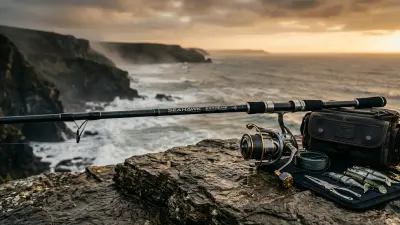
Your fishing rod is the primary tool for casting and feeling those subtle bites, the backbone of your entire setup. It takes a lot of abuse, from being leaned against trees to getting splashed with saltwater. Keeping it clean and inspecting it regularly will extend its life and prevent costly breakages at the worst possible time.
Cleaning Your Rod After Every Trip
After each fishing trip, especially if you’ve been in saltwater, give your rod a quick wipe down. Use a damp cloth with fresh water to remove any salt spray, dirt, or fish slime from the blank – that's the main body of the rod. Pay special attention to the handle, which can get grimy. For cork handles, a mild soap and water solution with a soft brush can work wonders to remove built-up grime, restoring its grip and appearance. Make sure to rinse thoroughly and let it air dry completely before storing.
But let me add something here: the most critical parts of your rod for maintenance are the guides – those small rings along the rod that the fishing line passes through. Check each guide for cracks, bends, or damage, especially the ceramic inserts within them. A tiny crack in a guide can act like a razor blade on your fishing line, leading to frustrating breaks. If you find any damage, it's best to have them replaced by a professional or learn how to do it yourself if you're handy. A quick visual inspection of these guides can save you from losing a big fish or an expensive lure.

Reel TLC: The Heart of Your Setup
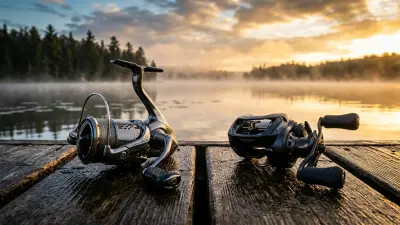
The fishing reel is arguably the most complex and vital piece of your fishing arsenal. It's a collection of gears, bearings, and drag washers that all need to work in harmony. Neglect it, and you'll quickly find yourself with a gritty, stiff, or even seized reel. This is where most maintenance efforts should be focused.
A Quick Guide to Basic Reel Cleaning
- Rinse, Don't Submerge: After every trip, especially in saltwater, lightly rinse the outside of your reel with fresh water. Use a gentle stream from a hose or a damp cloth. Never submerge your reel in water unless it's specifically designed for it (which most aren't) – you'll wash out the internal lubrication and introduce water into sensitive areas.
- Dry Thoroughly: Shake off excess water and use a clean, dry cloth to wipe down the entire reel. Let it air dry completely in a shaded, well-ventilated area before storage. Don't leave it in direct sunlight, which can dry out lubricants too quickly.
- Loosen the Drag: Before storing your reel, always loosen the drag knob completely. This takes pressure off the drag washers – the internal components that create resistance when a fish pulls line – and prevents them from compressing over time, which can lead to inconsistent drag performance.
- Light Lubrication: Apply a tiny drop of specialized fishing reel oil to moving parts like the bail arm pivot points (on a spinning reel, which is a reel with an open-face design where the line comes off a stationary spool), the handle knob, and any accessible gears. Use a tiny dab of reel grease on the main gear if you can easily access it. Remember, less is more! Too much lubricant attracts dirt and can hinder performance. Consult your reel's manual for specific lubrication points.
For more in-depth maintenance, like disassembling and cleaning the internal components, I'd recommend watching some reputable online tutorials or taking it to a professional. For beginners, sticking to external cleaning and light lubrication will make a huge difference. Trust me, a smooth-operating reel makes fishing so much more enjoyable, especially when you're fighting a strong fish.
Line, Lures, and Tackle Box: Small Details, Big Impact
While rods and reels get most of the attention, the smaller components of your gear are just as crucial. A single weak point can ruin your day, so don't overlook these often-forgotten areas.
Caring for Your Fishing Line
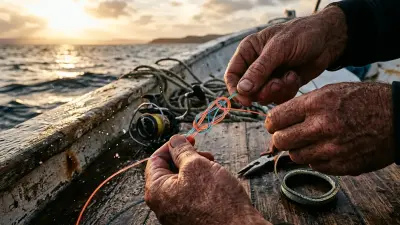
Your fishing line is your direct connection to the fish. After each trip, especially if you've been casting a lot or fishing around abrasive structures, run your fingers along the last few feet of your line. Feel for any nicks, frays, or rough spots. If you find any, cut back a few feet of line and re-tie your leader or lure. This simple check can prevent a heartbreaking break-off. For braided line, a strong, thin line made of multiple woven strands, this is less critical as it's very durable, but still worth a check. For monofilament or fluorocarbon, lines typically made of a single strand of plastic, this is paramount. Also, consider replacing your line regularly – at least once a season for active anglers, or every couple of seasons for more casual use.
Lures, Hooks, and Your Tackle Box
Hooks on your lures can rust quickly, especially after saltwater exposure, becoming dull and weak. After each trip, rinse all your lures and hooks in fresh water, dry them thoroughly, and check for rust. If you spot any, consider replacing the hook or sharpening it with a hook file. A sharp hook is absolutely essential for a good hookset! Dull hooks lead to missed fish, pure and simple. Keeping your tackle box clean and dry is also critical. Remove any wet baits, old line scraps, or debris. A few silica gel packets inside can help absorb moisture and prevent rust on your prized lures. This sustainable practice of sharpening hooks not only saves you money but reduces waste too!
Your Maintenance Schedule: Pre-Trip & Post-Trip Habits
The secret to effortless fishing gear maintenance isn't about spending hours on it; it's about establishing simple, quick routines. Consistency is key.
Pre-Trip Checklist: Get Ready for Action
Before you even head out the door, take two minutes to:
- Inspect Your Line: Check the last few feet for nicks or abrasions.
- Test Your Drag: Give your reel's drag a quick pull to ensure it's smooth and consistent.
- Check Your Knots: Give your leader and lure knots a gentle tug to confirm they're secure. (The Improved Clinch Knot or Palomar Knot are fantastic choices for beginners).
- Verify Rod Guides: A quick glance at all the guides on your rod for any cracks.
Post-Trip Routine: Secure Your Investment
Once you’re back, make this routine part of your cool-down:
- Rinse Everything: Rods, reels, and any lures you used get a quick freshwater rinse.
- Dry Thoroughly: Wipe down and air dry all components.
- Loosen Drag: Crucial for reel longevity.
- Inspect & Store: A quick visual check for damage, then store your gear in a cool, dry place away from direct sunlight.
What to Do This Weekend: Your Quick Maintenance Task
If you haven't touched your gear in a while, pick one rod and reel this weekend. Give it a good wipe-down, loosen the drag, and apply a tiny bit of reel oil to the bail arm and handle. Then, inspect your line and hooks. It's a small investment of time that will pay huge dividends on your next fishing trip, making it more relaxing and successful.
A well-maintained fishing setup isn't just about saving money; it's about respecting the craft, ensuring peak performance, and ultimately, enhancing your entire fishing experience. Take pride in your gear, and it will serve you well for countless memorable days on the water. Happy fishing, Fish Hunter!