Introduction to Local Fishing Reports
As an avid angler, I've often found myself wondering what makes a fishing trip truly successful. Is it the gear, the location, or the timing? While all these factors play a crucial role, there's one often-overlooked aspect that can make all the difference: the local fishing report. For example, imagine this situation: you're planning a weekend fishing trip to your favorite lake, but you're not sure what to expect. The water level, temperature, and fish behavior can all impact your chances of catching fish. That's where the local fishing report comes in – a treasure trove of information that can help you make informed decisions and increase your catch rate.
But what would you do in this situation? Would you rely on guesswork or try to gather as much information as possible? Honestly, I believe that decoding local fishing reports is an essential skill for any angler, regardless of their experience level. It's not just about knowing what's biting, but also about understanding the underlying factors that affect fish behavior.
So, let's dive into the world of local fishing reports and explore how to use them to our advantage. We'll cover the basics of what to look for, how to interpret the data, and how to apply it to our fishing trips.
Understanding Local Fishing Reports
What to Look for in a Fishing Report
A typical local fishing report will include a range of information, such as water temperature, clarity, and level. It may also mention the types of fish that are being caught, as well as the most effective baits and lures. Some reports may even provide detailed information on fishing patterns, such as the best times of day to fish and the most productive locations.
When reading a fishing report, it's essential to look for specific details that can help you plan your trip. For instance, if the report mentions that the fish are feeding on crankbaits in the morning, you can adjust your tackle accordingly. Similarly, if the report notes that the water level is rising, you may need to adjust your fishing location to account for the changing conditions.
To be fair, not all fishing reports are created equal. Some may be more detailed than others, and some may be more accurate than others. However, by learning how to read and interpret these reports, you can gain a valuable edge on the water.

Interpreting Fishing Report Data
Water Temperature and Its Impact on Fish Behavior
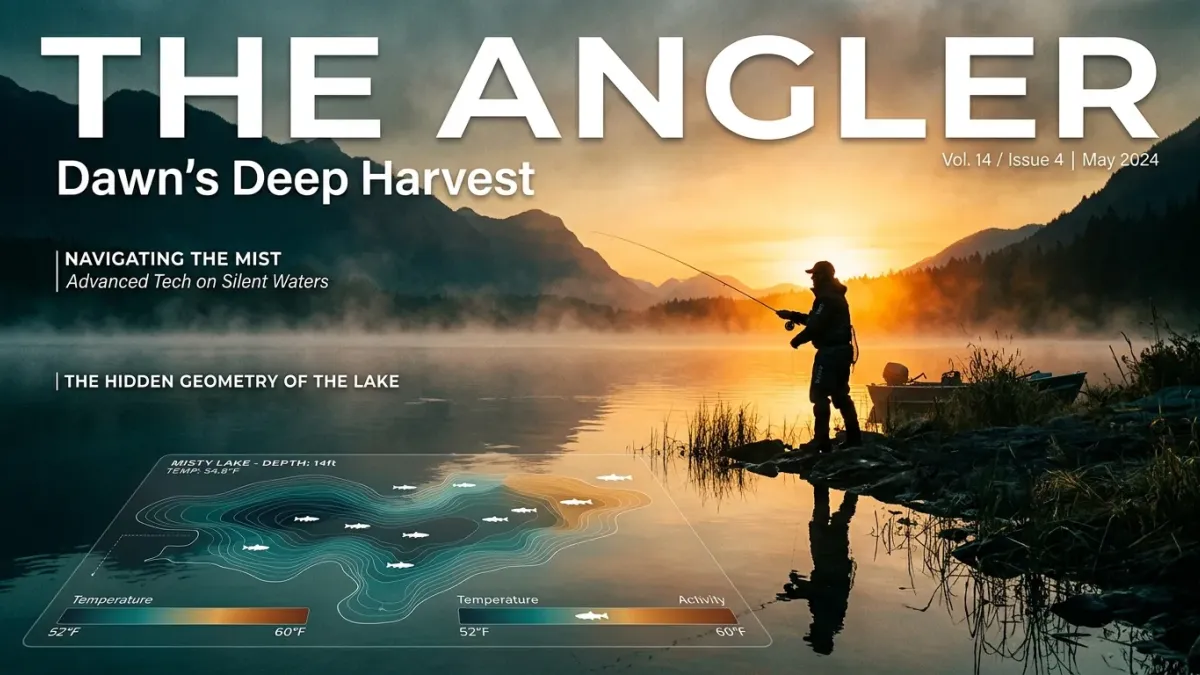
Water temperature is a critical factor in determining fish behavior, and it's often included in local fishing reports. Different species of fish are active at different temperature ranges, so it's essential to know what to expect. For example, bass tend to be more active in warmer water, while trout prefer cooler temperatures.
By understanding the water temperature and its impact on fish behavior, you can adjust your fishing strategy accordingly. If the water is too cold, you may need to use slower-moving lures or baits to entice the fish. On the other hand, if the water is warm, you can use faster-moving lures to trigger a strike.
Let me add something here: it's not just about the temperature itself, but also about the rate of change. If the water temperature is rising or falling rapidly, it can affect the fish behavior and make them more or less active.
Applying Fishing Report Information to Your Trip
Planning Your Fishing Trip
Once you've decoded the local fishing report, it's time to plan your trip. This involves choosing the right tackle, selecting the most productive locations, and timing your trip to coincide with the best fishing conditions.
Based on my experience, I believe that having a solid plan in place can make all the difference between a successful and unsuccessful fishing trip. By taking the time to read and interpret the fishing report, you can increase your chances of catching fish and make the most of your time on the water.
So, what to do this weekend? Take some time to read the local fishing report, and use the information to plan your trip. Choose the right tackle, select the most productive locations, and time your trip to coincide with the best fishing conditions. With a little practice and patience, you'll be decoding fishing reports like a pro and catching more fish than you ever thought possible.
Common Mistakes to Avoid
While decoding local fishing reports can be a powerful tool for improving your catch rate, there are some common mistakes to avoid. One of the most significant mistakes is relying too heavily on the report and not using your own judgment. Remember, fishing reports are just a guide, and conditions can change rapidly.
Another mistake is not taking the time to understand the underlying factors that affect fish behavior. By taking a closer look at the water temperature, clarity, and level, you can gain a deeper understanding of what's driving the fish behavior and make more informed decisions.
In my opinion, the key to successful fishing is to strike a balance between using the fishing report as a guide and trusting your own instincts. By combining these two approaches, you can increase your catch rate and make the most of your time on the water.