
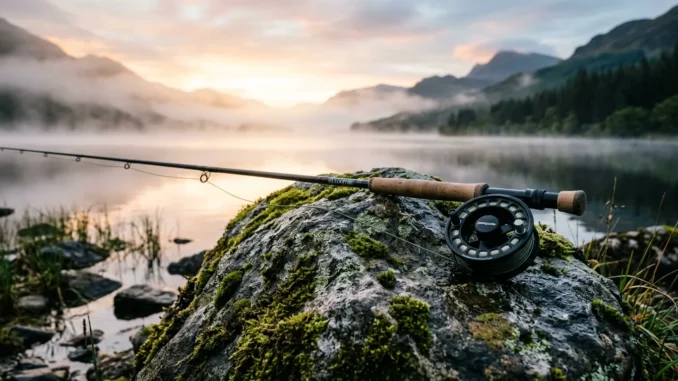
The Future is Now: Angling Smarter, Not Harder
Fishing has always been about patience, skill, and a little bit of luck. But what if I told you the future of fishing gear is making it easier, more fun, and incredibly more effective for everyone, from the absolute beginner to the seasoned angler? As someone who’s spent over two decades chasing fish in every type of water imaginable, I’ve seen gear evolve from basic setups to incredibly sophisticated tools. The exciting part? These innovations aren’t just for pros; they’re designed to help YOU catch more fish with less hassle, all while keeping our waters healthy.
Forget the days of blindly casting for hours. Modern fishing gear is integrating technology and sustainable practices like never before. We’re talking about tools that give you an underwater advantage, materials that are lighter yet stronger, and methods that ensure our beloved sport thrives for generations. Let’s dive into how these advancements are shaping your next fishing trip.
Smart Sonar & Fish Finders: Your Eyes Beneath the Surface
One of the biggest game-changers for any angler, especially those just starting out or exploring new waters, is the evolution of fish finders. These devices use sonar technology – sending sound waves into the water and interpreting the echoes – to create a visual representation of what’s beneath your boat or even right at your feet on the bank.
Portable and App-Connected Devices
Gone are the days when fish finders were bulky, expensive units only for big boats. Today, you can find incredibly portable, castable sonar devices that connect directly to your smartphone or tablet via Bluetooth or Wi-Fi. Brands like Deeper and Garmin Striker Cast are leading this charge. Imagine this situation: you’re fishing from a pier or kayak, you cast out a small, spherical device, and instantly your phone screen shows you the depth, water temperature, bottom structure (like rocks or weeds), and – most importantly – the fish! This means you can quickly identify where fish are holding, saving you hours of unproductive casting.
For beginners, this technology is a godsend. It takes away much of the guesswork, helping you understand how fish relate to their environment. Learning to read your fish finder, even a simple portable one, is a skill that will dramatically improve your catch rate. Plus, by targeting specific areas where fish are present, you’re practicing a more efficient and, in turn, more sustainable form of angling by reducing unnecessary disturbance to other parts of the fishery.
Advanced Materials: Lighter, Stronger, More Eco-Conscious Gear
The innovation isn’t just in electronics; the very materials we use for our rods, reels, and lines are constantly improving, making our gear more enjoyable and durable.
Rods, Reels, and Lines: Performance Meets Durability
Modern fishing rods are increasingly crafted from advanced carbon fiber composites, making them incredibly lightweight yet astonishingly strong and sensitive. This sensitivity allows you to feel even the most subtle bites, which is crucial for increasing your catch rate, especially with finicky fish. Reels are also seeing advancements, with smoother drags and more corrosion-resistant components, extending their lifespan.
Fishing lines have come a long way too. While monofilament line (a single strand of nylon, great for beginners at 6-12 lb test) and fluorocarbon line (nearly invisible underwater, perfect for leaders) are still staples, braided line (multiple strands woven together, offering incredible strength-to-diameter ratio, 10-20 lb for general use) continues to evolve. Newer braids are thinner, stronger, and cast further, allowing you to cover more water with less effort. And here’s the kicker for sustainability: durable gear means you replace it less often, reducing waste. I’ve found that investing a little more in quality components upfront pays dividends in longevity and performance.
Eco-Friendly Baits and Lures
The push for sustainability is also driving innovation in what we attach to our lines. We’re seeing more biodegradable soft plastics and lures entering the market. These environmentally conscious options break down naturally over time if lost, minimizing their impact on aquatic ecosystems. Honestly, it’s a huge step forward from traditional plastics that can persist for centuries. Choosing these alternatives is a simple but powerful way to make your fishing more sustainable.
Digital Tools & Apps: Your Personal Fishing Assistant
Beyond physical gear, our smartphones have become invaluable tools for anglers, providing a wealth of information at our fingertips that was once only available to seasoned pros or through extensive research.
Weather, Tides, and Local Intel
Dedicated fishing apps now offer real-time weather forecasts, detailed tide charts for coastal areas, and even solunar tables (predicting fish feeding activity based on moon and sun positions). Knowing when the fish are most active, or when the tide is perfect for your spot, can transform a slow day into a banner day. Many apps also allow users to share fishing reports and hot spots, helping you discover new productive areas near you.
These digital aids aren’t just about catching more fish; they’re about planning smarter, more enjoyable trips. Instead of guessing, you can confidently pick the best time to head out, maximizing your relaxation and minimizing frustration. It also helps you understand local regulations and access points, ensuring you fish legally and respectfully.
Sustainable Innovations: Protecting Our Waters for Tomorrow
As anglers, we have a responsibility to protect the resources we cherish. The future of fishing gear isn’t just about catching more; it’s about fishing smarter and greener. Many innovations are specifically designed with conservation in mind.
- Barbless Hooks: While not new, their adoption is growing. A barbless hook (a hook without the small barb that prevents a fish from spitting the hook) makes catch and release much easier and less traumatic for the fish, increasing their survival rate. Many anglers simply pinch down the barb on their existing hooks.
- Biodegradable Fishing Line: Research and development are ongoing to create fishing lines that fully biodegrade if lost in the environment, further reducing plastic pollution in our waterways. This is a game-changer that I believe will become standard practice in the coming years.
- Specialized Catch & Release Tools: From lip grippers that safely handle fish without touching their delicate slime coat to knotless landing nets that prevent fin damage, these tools are designed to minimize stress on the fish you intend to release.
- Gear Recycling Programs: Many tackle manufacturers and retailers are now offering programs to recycle old fishing line and tackle, ensuring these materials don’t end up in landfills or, worse, in our oceans. Look for these initiatives in your local tackle shops.
These practices are crucial for maintaining healthy fish populations and pristine environments. We are, after all, stewards of the water.
Common Mistakes to Avoid with New Tech
While new gear makes fishing easier, it’s not a magic bullet. Here are a few common pitfalls I’ve seen:
- Over-reliance on Technology: Don’t let a fish finder replace your basic understanding of fish behavior, water reading skills, or local knowledge. It’s a tool, not a substitute for learning the craft.
- Ignoring Local Regulations: Even with all the tech, always verify local fishing regulations, size limits, and catch limits. Apps can help, but a quick check of your state’s fishing guide is paramount.
- Neglecting Basic Maintenance: High-tech gear often requires more care. Keep your electronics charged, clean your reels, and check your lines.
- Buying Too Much, Too Soon: Start with essential, budget-friendly innovations that genuinely enhance your experience, like a portable fish finder or some biodegradable lures. Don’t feel pressured to buy every new gadget.
Your Weekend Fishing Mission
So, what can you do this weekend to embrace the future of fishing? First, if you haven’t already, download a good fishing app that provides local weather, tide, and solunar data. Second, consider pinching down the barbs on a few of your hooks or picking up a pack of barbless ones – it’s a simple, impactful step toward sustainable angling. Finally, if you’re curious about sonar, research some of the affordable, castable fish finders. They’re excellent tools for apartment dwellers or office workers looking to quickly find fish in local ponds or rivers without needing a boat. It’s about making your time on the water more productive and enjoyable, plain and simple.
The world of fishing is constantly evolving, bringing exciting new possibilities to our sport. By embracing these innovations – both technological and sustainable – we can make our time on the water more successful, more relaxing, and ensure that future generations can enjoy the same joy of fishing that we do. Tight lines, fellow Fish Hunter!
Frequently Asked Questions
What is the future of fishing gear?
The future of fishing gear is about integrating technology and sustainable practices to make fishing easier, more fun, and effective for everyone. This includes innovations like smart sonar and fish finders, portable and app-connected devices, and advanced materials that are lighter, stronger, and more eco-conscious.
How do fish finders work?
Fish finders use sonar technology to send sound waves into the water and interpret the echoes, creating a visual representation of what's beneath the surface. This allows anglers to quickly identify where fish are holding, saving time and increasing catch rates.
What are the benefits of portable fish finders?
Portable fish finders are incredibly useful for beginners and experienced anglers alike, as they take away much of the guesswork and help understand how fish relate to their environment. They also promote more efficient and sustainable angling by reducing unnecessary disturbance to other parts of the fishery.
How are fishing rods, reels, and lines evolving?
Fishing rods are being crafted from advanced carbon fiber composites, making them lightweight yet strong and sensitive. Reels are seeing advancements with smoother drags and corrosion-resistant components, while fishing lines are becoming thinner, stronger, and more durable, reducing waste and promoting sustainability.
What role does sustainability play in the future of fishing gear?
Sustainability is a key aspect of the future of fishing gear, with innovations focused on reducing waste, promoting eco-friendly practices, and ensuring the long-term health of fisheries. This includes the use of durable gear, eco-friendly baits and lures, and responsible fishing practices that minimize harm to the environment.
Leave a Reply