
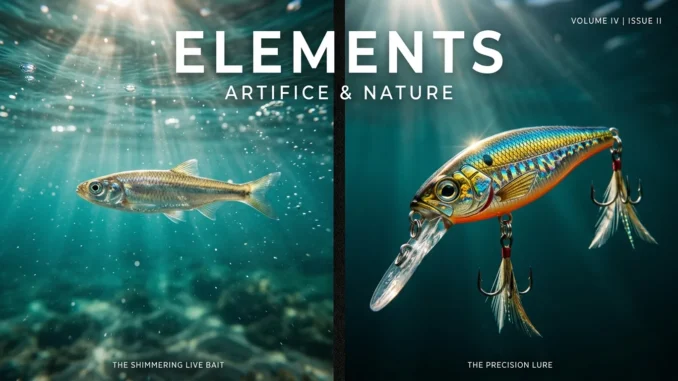
Every angler, from the seasoned veteran to the eager beginner, eventually faces the fundamental question: live bait or artificial lures? It’s a debate as old as fishing itself, and honestly, there’s no single “right” answer. The true secret to maximum success isn’t about picking a side, but understanding when and why to choose one over the other. As your fishing buddy with over two decades on the water, I’ve learned that this knowledge is what truly separates a good day from a great one. Let’s dive into the practical realities.
The Allure of Live Bait: Nature’s Proven Catcher
Live bait is, quite simply, what fish naturally eat. It offers unparalleled advantages that no artificial lure can fully replicate: natural scent, lifelike movement, and texture. These factors combine to create an irresistible offering that can entice even the most cautious fish. If you’re a beginner looking for reliable bites, especially on slower days, starting with live bait is often your best bet.
When are live baits your go-to? Often, it’s for species known for being less aggressive or more scent-driven, like Catfish, Panfish (Bluegill, Crappie), Trout, or even finicky Largemouth Bass on a tough bite. It’s also fantastic for a relaxed day of fishing, sitting back and letting the bait do most of the work. You don’t need fancy retrieves or complex techniques; just present it naturally, and often, the fish will find it.
Recommended Live Baits and Simple Setups
- Worms (Nightcrawlers, Red Worms): The universal bait! Excellent for almost any freshwater species from Bass and Trout to Perch and Catfish. Easy to find, inexpensive, and incredibly effective.
- Minnows/Shiners: Great for targeting predatory fish like Largemouth Bass, Pike, Walleye, and even larger Trout. Hook them lightly through the lips or back.
- Shrimp (Live or Dead/Fresh): A saltwater powerhouse! Unbeatable for species like Snapper, Redfish, Flounder, and Speckled Trout. Live shrimp under a popping cork is deadly.
- Cut Bait: Pieces of fish (like shad or mullet) work wonders for larger Catfish, Striped Bass, and many saltwater bottom dwellers.
For a basic live bait setup, you don’t need to break the bank. A 6-7 foot medium power spinning rod paired with a 2500-3000 size spinning reel is perfect. Spool it with 6-10 lb monofilament line – it’s forgiving, easy to tie knots with, and less visible in the water. Add a small bobber, a split shot weight, and a #1-#4 circle hook (which helps prevent gut-hooking, a great sustainable practice!) or a J-hook, and you’re ready to fish.
Common Mistake with Live Bait: One of the biggest blunders I see new anglers make is not keeping their live bait, well, alive and active. Dead bait, while sometimes effective, loses its primary advantage. Invest in a small aerated bait bucket for minnows or a breathable worm container. Also, don’t overload your hook; a small piece of worm or a single minnow hooked correctly will be much more enticing than a tangled mess.
The Art of Artificial Lures: Active and Versatile
Artificial lures are a different beast altogether. They require more active participation from the angler, but in return, they offer incredible versatility, allowing you to cover vast amounts of water quickly and target aggressive, predatory fish. There’s a certain satisfaction that comes from tricking a fish into biting a piece of plastic or metal! Plus, they’re clean, always “fresh,” and you don’t have to worry about running out of bait.
Lures shine when fish are actively feeding or you need to locate fish in a new area. They’re fantastic for species like Largemouth Bass, Pike, Walleye, aggressive Trout, Striped Bass, and many saltwater predators such as Redfish and Snapper. The key is to imitate the movement and appearance of baitfish or other prey, triggering a strike through sight, sound, or vibration.
Key Lure Types for Beginners
- Soft Plastics: Think worms, craws, and swimbaits made of soft plastic. These are incredibly versatile, mimicking natural prey with subtle movements. Rigged weightless or with a jig head, they’re perfect for Largemouth Bass and Panfish.
- Crankbaits: Hard-bodied lures with a lip that makes them dive when retrieved. They come in various depths (shallow, medium, deep) and colors. Great for covering water and eliciting reaction strikes from Bass, Walleye, and Pike.
- Topwater Lures: Designed to float and create commotion on the water’s surface (poppers, walk-the-dog lures). Incredibly exciting for Bass and Pike, especially during low light conditions.
- Spoons: Simple, curved metal lures that wobble and flash like an injured baitfish. Effective for Trout, Salmon, Pike, and many saltwater species.
Your same 6-7 foot medium spinning rod and 2500-3000 reel work great for lures. However, you might consider spooling up with 10-20 lb braided line for lures. Braided line is thinner, casts further, and has no stretch, offering incredible sensitivity to feel those subtle bites. Just remember to add a fluorocarbon leader (a nearly invisible line) to the end of your braid for stealth, tied with a reliable Uni Knot or FG Knot.
For example, imagine this situation: You’re fishing a new lake, trying to locate active Largemouth Bass. You’ve cast live worms for an hour with no luck. You switch to a crankbait, casting it parallel to a weed line, retrieving it quickly, feeling it bump off submerged structures. Suddenly, BAM! A fish hits. That’s the power of covering water with lures.
Common Mistake with Lures: A big one is sticking to one retrieve speed or motion. Fish aren’t always aggressive. Vary your retrieve, add pauses, twitch your rod tip. Another common error is using the wrong lure for the conditions. Clear water might call for natural colors, while murky water often benefits from bright colors or lures with strong vibrations.
The Deciding Factors: When to Choose Which
So far we’ve covered the strengths of each. Now let’s get to the really critical point: how do you decide on the day? It comes down to a few key factors that every savvy angler considers.
Key Considerations for Your Choice
- Water Conditions:
- Clear Water: Fish can see well. Live bait’s natural appearance is excellent. For lures, subtle colors and natural presentations (like a finesse soft plastic) often outperform flashy ones.
- Murky Water: Scent becomes crucial. Live bait really shines here. For lures, choose those that create a lot of vibration (like a lipless crankbait) or have bright, contrasting colors that stand out.
- Fish Activity Level:
- Aggressive/Active Fish: Lures are fantastic for triggering strikes from actively feeding fish, especially predatory species. They allow you to cover more ground and find the hungry ones.
- Lethargic/Spooked Fish: When fish are less willing to chase, live bait’s natural scent and subtle movements are often the only way to get a bite. Finesse lures, retrieved very slowly, can also work.
- Target Species: Some fish simply prefer one over the other. Catfish are primarily scent feeders, making cut bait or worms highly effective. Trout can be caught on both, but live worms or powerbait often work wonders, while spoons and small spinners are also deadly. Bass are notorious for hitting a wide variety of both.
- Your Fishing Style & Time: Do you want to actively cast and retrieve all day, or kick back and relax? Lures are for active searching; live bait is often for waiting. If you only have an hour, lures might help you find fish faster. If you have all afternoon, live bait provides a relaxing experience.
- Seasonal Patterns:
- Spring Spawning: Fish are often shallower and aggressive, making lures like crankbaits or soft plastics very effective. Live bait can also be great for finicky spawners.
- Summer Deep Water: Fish often go deep to find cooler water. Deep-diving crankbaits or live bait fished on the bottom become crucial.
- Fall Feeding Frenzy: Fish are fattening up for winter. Both lures (especially larger, faster-moving ones) and live bait can be incredibly effective.
But what if the fish are refusing everything you throw at them? Sometimes, that’s when you get creative and combine strategies.
The Hybrid Approach & Sustainable Success
In my opinion, the most successful anglers don’t just pick one; they adapt. There are times when a hybrid approach can be incredibly effective. “Tipping” a lure – adding a small piece of worm, shrimp, or even a commercially available scent to a jig or soft plastic – can give you the best of both worlds: the visual appeal and action of a lure, combined with the irresistible scent of natural bait. This is a tactic I often employ when the bite is tough.
For beginners, don’t feel overwhelmed. Start simple. Grab some live worms and a basic bobber rig for your first few trips. Once you’re comfortable, add a few versatile lures like a small spinner or a pack of soft plastic worms. Experiment, observe, and learn what works best in your local waters. Every body of water, and every day on it, is a little different.
Fishing Smarter: Sustainable Practices
No matter your preference, always remember the importance of sustainable fishing practices. If you’re using lures with treble hooks, consider replacing them with single, barbless hooks to make catch and release easier and less harmful to the fish. When using live bait, make sure to handle fish gently. Always respect local size and bag limits, and only keep what you’ll eat. We want to ensure these waters remain bountiful for generations of Fish Hunters to come.
Your Weekend Fishing Plan
This weekend, pack both! Head to your local lake, river, or pier. Start with live bait in one spot, perhaps under a bobber near some cover. Then, grab your lure rod and actively cast around, experimenting with different retrieves. See what the fish tell you. Observe water clarity, fish activity, and time of day. Pay attention to when you get bites on each method. This real-world experience is the fastest way to become a truly adaptable and successful angler.
Ultimately, there’s no magic bullet. The most effective approach is often a blend of both live bait and artificial lures, chosen strategically based on the conditions and the fish you’re targeting. By understanding the strengths of each and being willing to adapt, you’ll not only catch more fish but also gain a deeper appreciation for the nuanced art of angling. So, get out there, experiment, and enjoy the thrill of the catch!
Leave a Reply