The Unseen Battle: Why Our Fishing Spots Need Protection
There's nothing quite like finding that perfect fishing spot – a serene stretch of river, a quiet corner of a lake, or a bustling pier where the bites are consistent. It’s where memories are made, frustrations are forgotten, and the thrill of the catch comes alive. But have you ever arrived at your favorite spot only to find it littered with trash, the water murky, or the fish population strangely absent? Honestly, it's a gut punch for any angler, and unfortunately, it's becoming a more common sight in many areas.
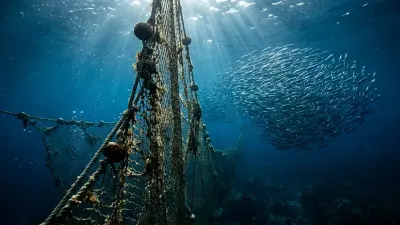
Our precious fishing grounds face a constant barrage of threats. We're talking about things like habitat degradation, which is just a fancy way of saying the natural homes for fish – think weed beds, rocky bottoms, or submerged logs – are getting destroyed or damaged. Then there's pollution, from everyday litter like plastic bottles to more insidious chemical runoff that silently poisons the waters. Overfishing, especially when regulations aren't followed, can also decimate populations, turning a once-bountiful spot into a ghost town. These challenges are real, and they directly impact our ability to enjoy the sport we love.
Based on my 20+ years on the water, I’ve seen this firsthand. I remember a small, crystal-clear creek I fished as a kid, teeming with trout. Over the years, urban development encroached, and the creek became a dumping ground for leaves and debris, eventually silting up and losing its vibrant fish life. It was heartbreaking to witness. But what would you do in that situation? Would you just give up on the spot, or would you try to make a difference?

Local Heroes: What Community Conservation Looks Like
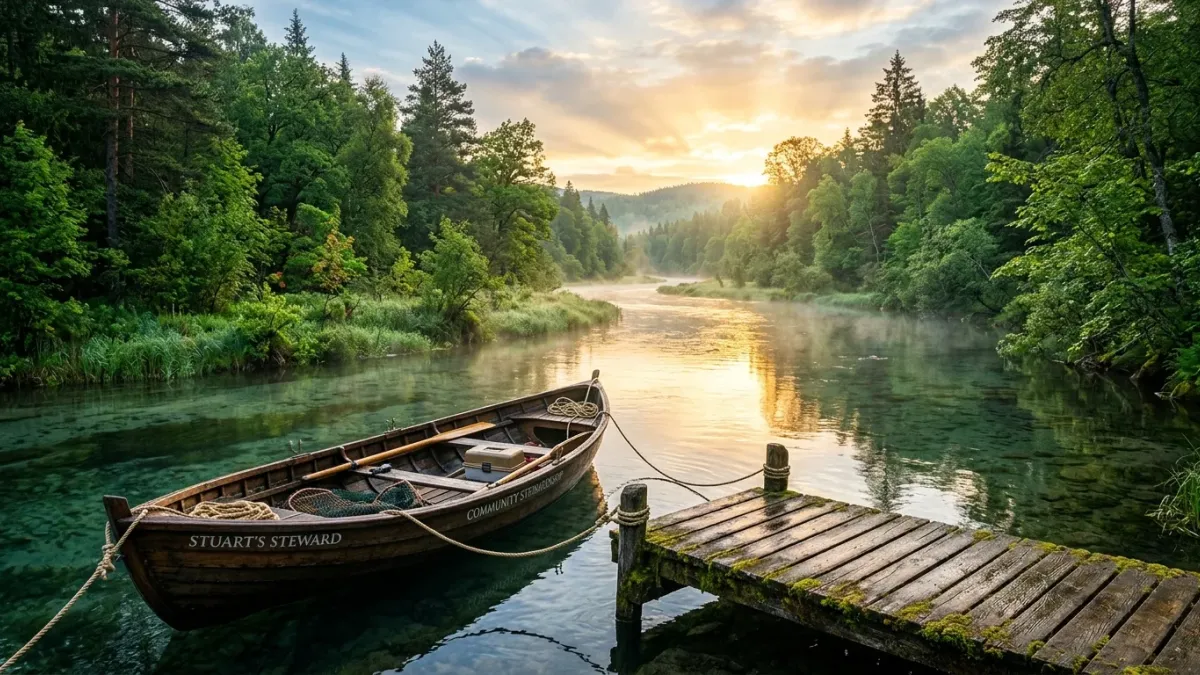
The good news is, we don't have to stand by and watch our fishing spots disappear. Across the country, ordinary people – just like you and me – are stepping up. These aren't always big government programs; often, they are dedicated local groups, passionate anglers, and environmental enthusiasts forming community conservation efforts. These initiatives are the backbone of protecting our local waters, and they come in many forms.
Imagine this situation: You're at your local park's pond, and you notice an invasive plant species taking over the shoreline, choking out native vegetation and making it harder for fish to thrive. A local group might organize a "weed pull" event, where volunteers spend a Saturday removing these plants by hand, restoring the natural balance. Or perhaps there's a river cleanup, where dozens of people walk the banks, collecting everything from old tires to plastic bags, literally hauling tons of trash out of the water. These tangible actions directly improve water quality and fish habitat.
Beyond cleanups, these local heroes are involved in crucial habitat restoration projects. This could mean planting native trees along riverbanks to prevent erosion and provide shade, or even building artificial reefs in lakes or coastal areas to create new homes for fish. Many groups also engage in advocacy, working with local governments to pass better environmental protections, enforce fishing regulations, and ensure sustainable practices. These angler advocacy groups ensure our voices are heard where decisions are made. They might also monitor water quality, counting fish populations, or tracking pollution sources, providing vital data that informs conservation strategies.
Your Role: Simple Ways to Become a Fishing Steward
So far we've covered the 'why' and the 'what.' Now let's get to the really critical point: your role in all of this. You don't need to be an expert biologist or dedicate your life to conservation to make a difference. Every single angler has the power to be a fishing steward and contribute to the health of our waters. Even small actions, when multiplied by many, create massive positive change.
One of the easiest ways to contribute is by practicing sustainable fishing techniques. This includes strictly adhering to local size and bag limits – those rules aren't there to annoy you, they're there to ensure fish populations thrive for future generations. Consider using barbless hooks, especially if you plan on practicing catch and release, as they minimize harm to the fish. When you do release a fish, handle it gently, get it back into the water quickly, and allow it to recover before letting it go.
Beyond your personal fishing practices, think about getting involved with local conservation groups. Many organizations, from national chapters like Trout Unlimited or Coastal Conservation Association to smaller, hyper-local watershed councils, are always looking for volunteers. You could help with a cleanup day, assist with habitat restoration, or simply spread awareness among your friends and family. Even something as simple as reporting pollution or suspicious activity to local authorities can be incredibly helpful. Every effort counts towards protecting our fishing spots.

Common Pitfalls & How to Avoid Them
It's easy to feel overwhelmed or discouraged when you think about environmental challenges. One common pitfall is thinking, "My small effort won't make a difference." Honestly, that couldn't be further from the truth. If every angler picked up just three pieces of trash on every trip, our waterways would be significantly cleaner. Another mistake is not knowing where to start. Many people want to help but don't know who to contact or what to do.
To avoid these pitfalls, start small and locally. Don't try to solve global warming on your first day. Instead, focus on your immediate fishing environment. Pick up litter every time you visit your favorite spot. Look up local fishing clubs or conservation organizations online – a quick search for "[your city/state] fishing conservation" or "[your river/lake name] watershed council" will often yield results. Many of these groups have social media pages where they announce volunteer opportunities.
Another common misstep is becoming disheartened if you don't see immediate results. Conservation is a long game, often requiring patience and persistence. habitat restoration projects can take years to show full results, and changing public perception takes time. Keep in mind that consistent effort, even if it feels small, builds momentum. Remember that creek I mentioned earlier? Years later, local volunteers and a state grant helped clean it up, restore its banks, and it's slowly coming back to life. It’s a testament to sustained community effort.
What You Can Do This Weekend: Making a Difference
You don't need to wait for a special event to start making a positive impact. Right now, you can take steps to contribute to the health of your local waters and ensure your favorite fishing spots remain productive for years to come. This weekend, when you head out, think about these actionable items.
- Pack It In, Pack It Out (and then some): Always bring a small trash bag with you. Not only should you take home everything you brought, but make it a habit to pick up a few extra pieces of litter you find along the banks or on the pier. Every little bit helps keep our waters clean for everyone, including the fish.
- Research Local Groups: Spend 15 minutes online looking for local fishing clubs, environmental groups, or watershed organizations in your area. Many have websites or Facebook pages listing upcoming cleanup days or volunteer opportunities. Sign up for their newsletter or follow them on social media to stay informed.
- Be a Responsible Angler: Practice proper catch and release techniques. Know your local regulations like the back of your hand – size limits, bag limits, and seasonal closures are there for a reason. Consider trying barbless hooks, especially for species you frequently release.
- Spread the Word: Talk to your fishing buddies about the importance of conservation. Share what you've learned on Fish Hunter. Encourage them to join you in picking up trash or supporting a local initiative. A ripple effect starts with one person.
By taking these simple steps, you become more than just an angler; you become a guardian of the waters, a true fish hunter who understands that protecting the resource is just as important as the chase. Together, we can ensure our favorite fishing spots continue to thrive for generations to come, making every trip a chance to connect with nature and enjoy the sport we love.