Ever wondered what mysteries lie beneath the surface, just waiting to be discovered? For many anglers, the most consistent action isn't always visible. It's often happening right on the bottom, where a whole world of fish forage and hide. Bottom fishing is one of the oldest, most reliable, and frankly, most relaxing ways to catch fish, whether you're standing on a pier, a riverbank, or cruising in a boat. It’s a fundamental skill that every angler, from the apartment dweller seeking a weekend escape to the seasoned enthusiast, should have in their toolkit. I’ve spent over two decades exploring these depths, and I can tell you, the rewards are often spectacular.
Understanding Bottom Fishing: Why Go Deep?
So, what exactly is bottom fishing? Simply put, it's a technique where you present your bait directly on or very close to the seabed in lakes, rivers, or oceans. This strategy targets fish species that prefer to feed near the bottom, often scavengers or ambush predators that lurk among structure like rocks, ledges, or submerged vegetation. Think about it: many fish spend their entire lives close to the bottom, where food collects and cover is abundant.
The appeal of bottom fishing is its incredible effectiveness and accessibility. You don’t need fancy electronics or advanced boat maneuvers. Often, all you need is a rod, reel, some weight, and bait. This method is a fantastic entry point for beginners because it's relatively straightforward to learn, yet it consistently produces results. From Largemouth Bass and Catfish in freshwater to Snapper, Grouper, and Perch in saltwater, a huge variety of species are caught this way. It allows you to tap into a rich ecosystem that might otherwise be overlooked.
The Bottom Line on Going Deep
Bottom fishing is about understanding where fish feed naturally. It's about patience and presentation. By targeting these deeper zones, you open yourself up to a whole new world of angling opportunities, often catching some of the biggest and most consistent fish in any given body of water. Based on my experience, it's the technique I recommend to anyone looking for reliable action without a steep learning curve.
Essential Gear for Bottom Fishing: Keep It Simple, Get Results
You don't need to break the bank to start bottom fishing. The beauty of this technique is its simplicity. Let's talk about the core components you’ll need to get started, keeping your budget and ease of use in mind.
Rods, Reels, and Line: Your Foundation
- Rod & Reel Combo: For beginners, a 6-7 ft medium spinning rod paired with a 2500-3000 size spinning reel is ideal. A spinning reel is one where the spool is fixed, and a metal "bail" rotates around it to wind line in – it’s super easy to cast and manage. This setup is versatile enough for most freshwater bottom fishing (bass, catfish, trout) and even lighter saltwater applications from piers or shore. It offers a good balance of casting distance, backbone for fighting fish, and sensitivity to feel bites.
- Line Type and Strength:
- Monofilament Line: For absolute beginners, 6-12 lb monofilament is a fantastic choice. Monofilament is a single-strand nylon line known for its stretch, which acts as a shock absorber, making it forgiving when a fish strikes hard. It’s also very easy to tie knots with.
- Braided Line: As you gain confidence, consider 10-20 lb braided line. Braided line is made of multiple strands woven together, offering superior strength for its diameter and virtually no stretch. This means incredible sensitivity – you'll feel every bump and nibble! Just remember, you'll typically want a fluorocarbon leader (a short section of clear line) tied to your braid for stealth, as braid can be visible in clear water.
Honestly, monofilament for forgiveness, braid for feel – pick what suits your current skill level and budget.
Weights, Hooks, and Essential Tackle
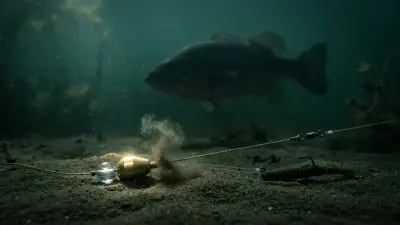
These are the small, but critical, components that connect you to the fish. Weights (often called sinkers) are crucial for getting your bait to the bottom and keeping it there against current. Pyramid sinkers or bank sinkers (1/2 oz to 3 oz, depending on current and depth) are common choices for their ability to hold steady. Egg sinkers are great for rigs that allow the line to slide through the weight, like a Carolina rig.
For hooks, I highly recommend circle hooks (sizes #1 to 4/0, depending on target fish and bait). Circle hooks are designed to hook fish in the corner of the mouth as they swim away, reducing gut-hooking and making catch-and-release much safer for the fish. They often "set themselves," so a gentle, steady pull is usually all that’s needed. Don’t forget essential tackle box items like needle-nose pliers (for hook removal), line cutters, extra swivels, and a variety of sinkers.

Mastering the Rigs: Your Line to the Bottom
A fishing rig is simply the arrangement of your hook, leader, swivels, and weight on your fishing line. Getting this right is paramount for effective bottom fishing. Here are two workhorse rigs that will cover most of your bottom fishing needs.
The Carolina Rig: Slide and Conquer
The Carolina Rig is a freshwater favorite, especially for bass and catfish, but it works in saltwater too. It's designed for a natural bait presentation. Here's how it goes:
- Slide an egg sinker onto your main line.
- Add a small plastic or glass bead (this protects your knot from the sinker).
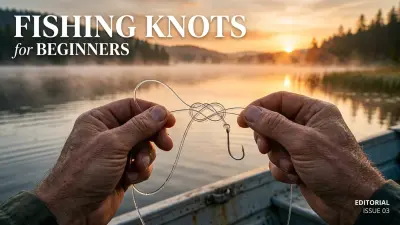
- Tie on a barrel swivel using an Improved Clinch Knot (a strong, easy-to-tie knot for attaching line to hooks, swivels, and lures). Knots are your fishing lifeline! A poorly tied knot is the quickest way to lose a fish.
- Tie a fluorocarbon leader (1-3 feet long, a bit lighter than your main line) to the other end of the swivel.
- Finally, tie your hook to the end of the leader using a Palomar Knot (one of the strongest and most reliable knots for attaching line to hooks or swivels).</li<
The beauty of the Carolina Rig is that the weight slides freely, allowing your bait to drift naturally on the bottom, separate from the sinker. This makes it incredibly appealing to finicky fish. I remember my first time trying a Carolina rig in a murky pond for catfish; the subtle bites were unmistakable because the line could move through the sinker, giving me direct feedback from the bait. It was a game-changer.
The High-Low Rig (Bottom Rig): Double Your Chances
Also known as a bottom rig or dropper loop rig, this setup is fantastic for saltwater species like snapper, perch, and croaker, as well as for multi-species freshwater fishing. It allows you to present two baits at different depths.
- Start with a length of monofilament leader material (2-4 feet).
- Tie two dropper loops (small loops that stand out from the main line) along the leader, about 12-18 inches apart, using a Uni Knot (a versatile and strong knot ideal for tying line to terminal tackle and for creating loops).
- Attach hooks to these loops (you can pass the loop through the hook eye and then around the hook shank).
- Tie a barrel swivel to one end of the leader (to connect to your main line) and a pyramid or bank sinker to the other end.
This rig lets you cover more of the water column near the bottom and often doubles your chances of a bite. It’s also great if you want to try different baits simultaneously to see what the fish are biting.
Bait, Strategy, and Sustainable Practices
You’ve got your gear and your rig. Now, let’s talk about what makes fish bite and how to ensure our fishing grounds remain healthy for years to come.
Bait Selection: What Are They Eating Down There?
The right bait is half the battle. Fresh, local bait is often best.
- Freshwater: Live worms (nightcrawlers, red wigglers) are universal fish magnets for almost everything from bass to trout to perch. Cut bait like chicken liver or hot dogs are deadly for catfish. Corn is surprisingly effective for carp and sometimes trout. Small minnows or shiners can tempt larger predatory fish.
- Saltwater: Shrimp (live or fresh dead, peeled or unpeeled) is arguably the most versatile saltwater bait. Squid, cut into strips, is another excellent option. Cut bait from local fish like mullet or bunker works wonders for larger bottom dwellers.
Casting, Presentation, and Fighting Fish
Once you have your bait, cast it out and let it sink directly to the bottom. For example, imagine this situation: you're fishing a river, and you know there's a deep bend with some submerged logs. You’d want to cast just upstream of that structure, allowing the current to carry your bait naturally into the fish's zone. Once your bait is down, keep a relatively tight line, just enough to feel for bites. You don't need to constantly reel; let the current and the fish do their work.
When you feel a bite – a tug, a tap, or a steady pull – resist the urge to violently yank your rod. With circle hooks, a steady, firm lift of the rod is usually all it takes for the hook to set itself. Then, keep constant pressure on the fish, reel steadily, and enjoy the fight! But what if you don't feel anything for a while? Don't be afraid to reel in, check your bait, or move to a slightly different spot. Sometimes a few feet can make all the difference.
Troubleshooting Common Problems
- Snags: The bane of bottom fishing! If you get snagged, try pulling from different angles, or even letting slack line out and then snapping it quickly. To avoid them, try to identify rocky or snaggy areas before casting. Sometimes, a slightly lighter sinker will drag over snags instead of getting wedged.
- Not getting bites: Change bait. Change location (even 20 feet can make a difference). Adjust your rig – maybe a shorter leader is needed, or a lighter weight. Patience is key, but don't be afraid to experiment.
- Tangled lines: Overly enthusiastic casting or not managing your line can lead to tangles. Always check your line before casting, and learn a few basic knot tying skills for quick repairs.
Sustainable Fishing: Protecting Our Waters
As passionate anglers, we have a responsibility to protect the resources we enjoy. Always practice catch and release for fish you don’t intend to eat, especially larger breeding stock. Use barbless hooks (or crimp down barbs on regular hooks) to minimize harm. Respect all local size and bag limits, and only keep what you’ll consume. These simple practices ensure that fish populations remain healthy for future generations of Fish Hunters.
Common Mistakes to Avoid for Beginners
- Using too heavy a weight: While you need to hold bottom, an overly heavy sinker can make your bait look unnatural and dull your feel for bites.
- Wrong hook size: A hook too large for your bait or target fish will deter bites, and too small might not hold the fish properly.
- Not checking line regularly: Especially after fighting a fish or getting a snag, your line can get abraded. A quick check and re-tie can save you from a lost fish.
- Lack of patience: Bottom fishing often requires waiting. Don't constantly reel in and cast. Give the fish time to find your bait.
- Ignoring structure: Fish relate to structure. Casting in "dead water" without any features will yield fewer results than targeting rocks, weeds, or drop-offs.
Your Weekend Bottom Fishing Plan!
Ready to put these tips into action? Here’s your quick guide for this weekend:
- Find a Spot: Look for a local pier, river bank, or calm lake shore. Use online maps or local fishing forums to identify potential spots with structure or depth.
- Grab Your Gear: Get a simple 6-7 ft medium spinning combo, spool it with 8-10 lb monofilament. Pick up a few egg sinkers (1/2 oz to 1 oz), a pack of barrel swivels, and #1 or 1/0 circle hooks. Don't forget some live worms or fresh shrimp!
- Tie Your Rig: Practice tying a simple Carolina Rig. Remember that Improved Clinch Knot and Palomar Knot!
- Go Fish! Cast it out, let it sink, and relax. Feel for those subtle bites. You might be surprised at what you pull up from the depths.
Bottom fishing is more than just dropping a line; it's about connecting with the underwater world and experiencing the thrill of a hidden strike. It's accessible, rewarding, and a fantastic way to unwind. With these simple, actionable techniques, you're well on your way to mastering the art of bottom fishing and enjoying consistent catches. Don't overthink it—just get out there, drop a line, and let the fish come to you. Happy fishing, and may your lines always be tight!