
Introduction to Overnight Fishing Trips
Imagine waking up to the sound of water lapping against the shore, the sun rising over the trees, and a day of fishing ahead of you. Overnight fishing trips offer a unique opportunity to connect with nature and reel in some impressive catches. But what would you do in this situation: you've decided to go on your first overnight fishing trip, but you have no idea where to start? Let me add something here: with some simple planning, you can turn your overnight fishing trip into a memorable outdoor escape.
Based on my experience, the key to a successful overnight fishing trip is preparation. From choosing the right gear to selecting the perfect location, every detail counts. Honestly, I've been on my fair share of overnight fishing trips, and I've learned that it's all about being prepared and flexible. So, let's get started on planning your dream overnight fishing trip!
Choosing the Right Gear
When it comes to overnight fishing trips, you'll need to pack the right gear to ensure a comfortable and successful trip. Fishing rod and reel are the most essential pieces of equipment. For beginners, I recommend a 6-7 ft medium spinning rod paired with a 2500-3000 size spinning reel. Don't forget to pack extra line (6-12 lb monofilament or 10-20 lb braided) and a selection of lures or bait.
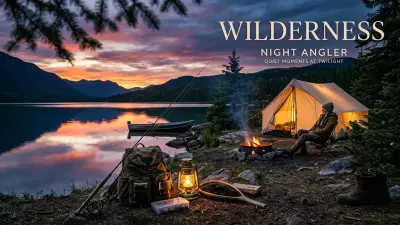
In my opinion, it's also important to invest in a good tent, sleeping bag, and cooking gear. You'll want to be comfortable and well-rested for those early morning fishing sessions. Let me add something here: don't forget to pack a first aid kit and a flashlight or headlamp to ensure your safety during the trip.
Choosing the Perfect Location
Now that you have the right gear, it's time to choose the perfect location for your overnight fishing trip. Consider the type of fish you want to catch and the time of year you're planning your trip. For example, if you're looking to catch largemouth bass, you may want to head to a lake or pond during the spring spawning season.
But what would you do in this situation: you've arrived at your destination, but the fishing spot is crowded or not producing any bites? Honestly, I've been in this situation before, and I've learned that it's all about being flexible and willing to try new things. Consider moving to a different location or trying a different type of bait or lure.
Planning Your Itinerary
Once you've chosen your location, it's time to plan your itinerary. Consider the time of day and the tides when planning your fishing sessions. For example, if you're fishing in a saltwater location, you may want to plan your fishing sessions around the high tide to increase your chances of catching fish.
In my opinion, it's also important to leave some downtime in your itinerary to relax and enjoy the scenery. Overnight fishing trips are about more than just catching fish; they're about connecting with nature and spending time with friends and family. Let me add something here: don't forget to pack a camera to capture those special moments and memories.

Tips and Tricks for a Successful Trip
Now that you've planned your trip, it's time to think about the little things that can make or break your overnight fishing trip. Knot tying is an essential skill for any angler, and I recommend practicing your Improved Clinch Knot or Palomar Knot before your trip.
Honestly, I've learned that the key to a successful overnight fishing trip is being prepared for the unexpected. Make sure to pack a basic gear checklist, including extra line, hooks, and bait, and know how to fix a tangled line quickly. Let me add something here: don't forget to follow sustainable fishing practices, such as catch and release and responsible gear disposal, to ensure the longevity of our fisheries.
Common Mistakes to Avoid
Finally, let's talk about some common mistakes to avoid on your overnight fishing trip. One of the biggest mistakes beginners make is not checking the weather forecast before their trip. Honestly, I've been caught in a thunderstorm on the water, and it's not a pleasant experience. Make sure to check the forecast and plan accordingly.
In my opinion, another common mistake is not being respectful of the environment and other anglers. Remember to follow local regulations and catch limits, and always practice catch and release to ensure the sustainability of our fisheries. Let me add something here: don't forget to clean up after yourself and leave the fishing spot in the same condition as you found it.
Conclusion
Planning an overnight fishing trip can seem daunting, but with some simple preparation and planning, you can turn your trip into a memorable outdoor escape. Remember to choose the right gear, select the perfect location, and plan your itinerary carefully. Don't forget to follow sustainable fishing practices and be respectful of the environment and other anglers.
So, what are you waiting for? Start planning your overnight fishing trip today, and get ready to create some unforgettable memories on the water. Honestly, I'm excited for you to experience the thrill of overnight fishing, and I'm confident that with these simple steps, you'll be well on your way to a successful and enjoyable trip.