Introduction to Sight Fishing
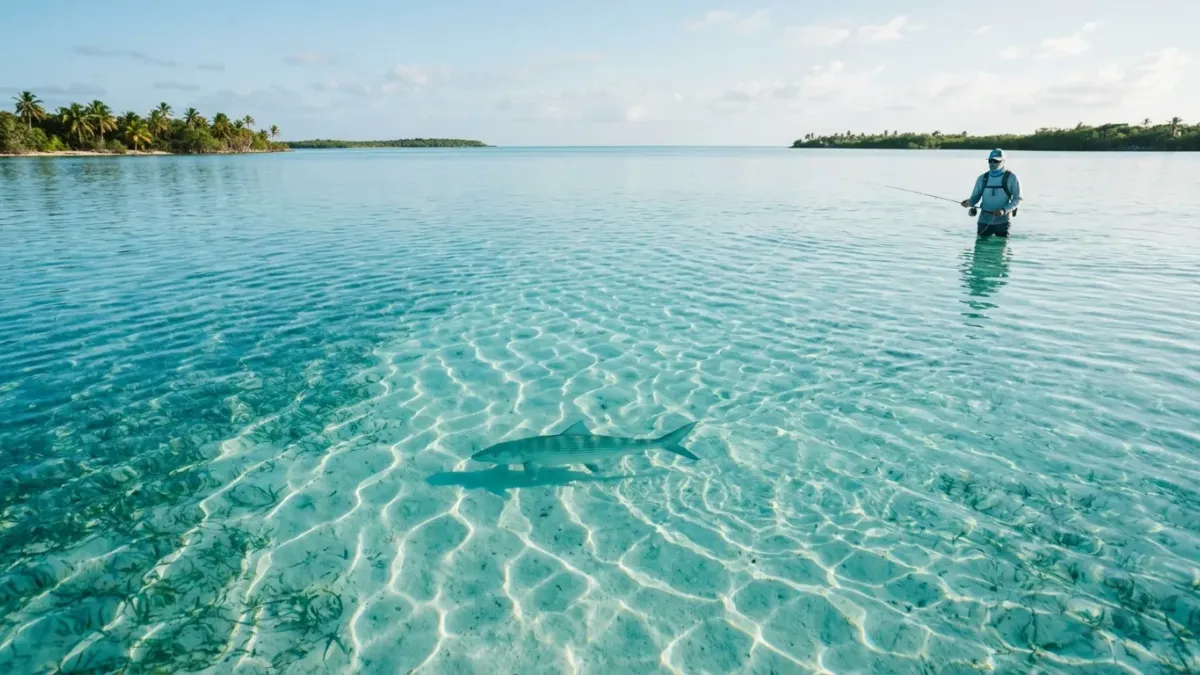
Sight fishing is a thrilling and rewarding technique that requires patience, observation, and practice. It involves spotting fish in clear waters and presenting your lure or bait in a way that imitates their natural food sources. For example, imagine this situation: you're wading through a crystal-clear stream, and you spot a large trout feeding on mayflies. You carefully cast your line, trying not to spook the fish, and wait for it to take the bait. But what would you do in this situation if the fish doesn't take the bait? Would you change your lure or try a different presentation?
In my opinion, sight fishing is one of the most exciting and challenging ways to catch fish. It requires a deep understanding of fish behavior, habitat, and feeding patterns. Based on my experience, the key to successful sight fishing is to be able to read the water and understand where fish are likely to be holding. This involves looking for structure, such as rocks, weeds, or drop-offs, and identifying the types of fish that are present.
To get started with sight fishing, you'll need a few basic pieces of gear, including a spinning rod and reel with a braided line and a fluorocarbon leader. You'll also need a pair of polarized sunglasses to help you spot fish in the water. Let me add something here: it's also important to have a good understanding of the local fishing regulations and to practice catch and release fishing to help conserve fish populations.
Spotting Fish in Clear Waters
Reading the Water
Reading the water is a critical skill for sight fishing. It involves looking for structure, such as rocks, weeds, or drop-offs, and identifying the types of fish that are present. For example, if you're fishing in a lake, you might look for areas with submerged vegetation or rocky shorelines. In a river, you might look for areas with fast current or deep pools. But what would you do in this situation if you're not sure where to start? Would you try to find a local fishing guide or do some research on the internet?
To be fair, reading the water can be a complex and nuanced topic. However, with practice and experience, you can develop the skills you need to spot fish in clear waters. One tip is to look for areas with a mix of sand, gravel, and rocks, as these can provide habitat for a variety of fish species. You can also try looking for areas with submerged logs or other structure, as these can provide ambush points for predators.
Here are some tips for spotting fish in clear waters:
- Look for fish that are feeding on the surface or near the bottom
- Identify the types of fish that are present and their likely habitats
- Use polarized sunglasses to reduce glare and improve visibility
- Move slowly and carefully to avoid spooking the fish

Presentation and Technique
Casting and Retrieval
Once you've spotted a fish, you'll need to present your lure or bait in a way that imitates their natural food sources. This can involve casting your line and retrieving it in a way that mimics the movement of a injured baitfish or a crawling insect. For example, if you're fishing for trout, you might use a dry fly or a nymph to imitate a mayfly or a caddisfly. But what would you do in this situation if the fish doesn't take the bait? Would you try a different lure or presentation?
In my opinion, the key to successful presentation is to be able to cast accurately and retrieve your line smoothly. This involves using the right tackle and technique, such as a weight-forward fly line or a spinning reel with a smooth drag. You'll also need to be able to read the water and understand where the fish are likely to be holding. Based on my experience, it's also important to be patient and persistent, as sight fishing can be a challenging and rewarding technique.
Here are some tips for presentation and technique:
- Use the right tackle and technique for the species you're targeting
- Cast accurately and retrieve your line smoothly
- Use a variety of presentations, such as casting, trolling, or jigging
- Be patient and persistent, as sight fishing can be a challenging technique
Common Mistakes and Troubleshooting
One of the most common mistakes in sight fishing is to spook the fish by moving too quickly or making too much noise. This can be avoided by moving slowly and carefully, and by using polarized sunglasses to reduce glare and improve visibility. Another common mistake is to use the wrong tackle or technique, such as using a lure that's too large or too small for the species you're targeting.
To troubleshoot common mistakes, it's helpful to have a good understanding of fish behavior and habitat. For example, if you're fishing for trout, you might need to use a smaller lure or a more subtle presentation to avoid spooking the fish. You can also try experimenting with different lures or presentations to see what works best in a given situation.
Here are some tips for troubleshooting common mistakes:
- Move slowly and carefully to avoid spooking the fish
- Use the right tackle and technique for the species you're targeting
- Experiment with different lures or presentations to see what works best
- Be patient and persistent, as sight fishing can be a challenging technique
Conclusion and Next Steps
Sight fishing is a rewarding and challenging technique that requires patience, observation, and practice. By following the tips and techniques outlined in this guide, you can improve your skills and increase your chances of success. Remember to always practice catch and release fishing and to follow local regulations to help conserve fish populations.
So far we covered the basics of sight fishing, including reading the water, presentation and technique, and common mistakes and troubleshooting. Now let's get to the really critical point: taking action and getting out on the water. Honestly, the best way to learn sight fishing is to get out there and try it for yourself. Don't be afraid to make mistakes or try new things – it's all part of the learning process.
To be fair, sight fishing can be a complex and nuanced topic. However, with practice and experience, you can develop the skills you need to spot fish in clear waters and catch them with confidence. I believe that sight fishing is one of the most rewarding and challenging ways to catch fish, and I hope that this guide has inspired you to give it a try. So what are you waiting for? Get out there and start fishing!