
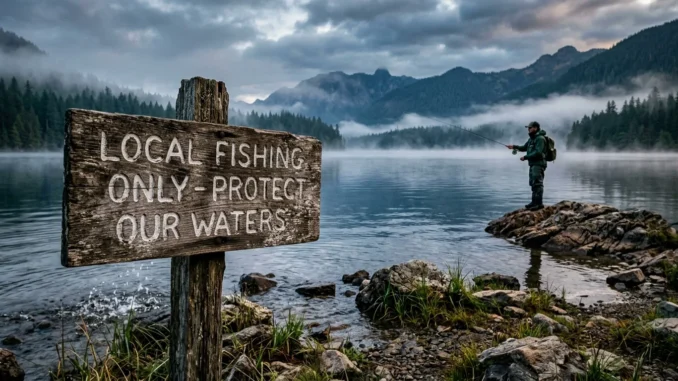
The Unseen Battle: Why Your Favorite Fishing Spots Need Protection
There’s nothing quite like the peace of casting a line into clear water, the anticipation of a bite, and the simple joy of connecting with nature. For many of us, fishing isn’t just a hobby; it’s a vital escape from the daily grind, a chance to recharge. But have you ever stopped to think about what keeps those cherished fishing spots healthy and vibrant? Unfortunately, the waters we love face constant threats, many of them unseen.
From urban runoff carrying pollutants into our rivers and lakes, to habitat destruction from development, and even the pressures of overfishing, our aquatic environments are under siege. These threats directly impact the fish populations we pursue, making it harder to find healthy fish, or even any fish at all. Imagine arriving at your favorite pier or riverbank only to find it littered with trash, the water murky, and no signs of life. It’s a disheartening sight that, based on my 20+ years of experience, I’ve seen far too often without local intervention.
So, what’s the solution? While big government initiatives play a role, the real, boots-on-the-ground change often happens at the local level. It’s about communities coming together, neighbors deciding they won’t stand by while their local treasures degrade. This isn’t just an environmental issue; it’s an angler’s issue, because healthy water means healthy fish and better fishing experiences for everyone.
Small Actions, Big Impact: How Local Communities Make a Difference
You might think that saving a lake or river is a monumental task, but honestly, it’s often a collection of smaller, consistent efforts that add up to massive wins. Across the country, dedicated community groups, often powered by passionate volunteers – many of whom are fellow anglers – are making tangible differences. These groups focus on immediate, local problems with practical solutions.
For example, imagine this situation: a popular urban creek, once teeming with sunfish and small bass, becomes choked with litter and overgrown with invasive plants. A local fishing club, partnered with a neighborhood association, decides to act. They organize monthly clean-up days, removing hundreds of pounds of trash. Then, they tackle habitat restoration, planting native grasses and shrubs along the banks to prevent erosion and create shelter for juvenile fish. They might even work with local authorities to monitor water quality, identifying and reporting sources of pollution. Slowly, but surely, the creek begins to breathe again, and the fish return.
I’ve personally seen a small, neglected pond near my old apartment transform from a stagnant mess into a thriving bass haven thanks to similar efforts. Volunteers cleared debris, installed aeration systems, and introduced appropriate native vegetation. It was a testament to what focused, community-driven work can achieve. These initiatives aren’t just about making the environment look better; they directly improve fish spawning grounds, food sources, and overall ecosystem health, leading to better fishing for all of us.
From Angler to Advocate: Your Role in Conservation
So far we’ve covered the challenges and the power of collective local action. Now let’s get to the really critical point: your role in this. As anglers, we are often the first to notice changes in our local waters. We spend more time on the water than almost anyone else, making us natural stewards of these resources. Every angler has a part to play, whether you’re a complete beginner or a seasoned pro.
The most basic, yet incredibly impactful, step is practicing responsible angling. This means adhering to catch and release principles for certain species or in specific areas, especially if you’re not planning to eat your catch. Using barbless hooks (or crimping down barbs on regular hooks) can significantly reduce harm to fish you intend to release, improving their chances of survival. Always respect size and bag limits – these aren’t arbitrary rules, but carefully calculated measures to ensure fish populations remain healthy for future generations.
Beyond that, it’s about leaving no trace, or even leaving a place better than you found it. Pick up any litter you see, even if it’s not yours. Report pollution or suspicious activities to local authorities. Consider donating your time or a few dollars to a local conservation group. To be fair, not everyone has the time for a weekly clean-up, but every little bit counts. But what good is a perfect cast if there’s nothing left to catch? Our passion for fishing inherently ties us to the health of the environment, making us natural advocates for its protection.
Real-World Wins: Inspiring Examples and How to Find Them
It’s easy to get bogged down by the negatives, but there are countless success stories out there proving that community conservation works. Think about the rehabilitation of the Great Lakes, where decades of dedicated efforts have brought back thriving fisheries. Or smaller, more localized examples, like the Friends of the Chicago River, who’ve transformed parts of an industrial waterway into a recreational haven, complete with fishing tournaments.
These aren’t isolated incidents. Many states have fishing and wildlife departments that partner with local groups on initiatives like fish stocking programs, artificial reef construction in coastal waters, or stream bank stabilization projects. Local tackle shops are often hubs of information for these groups, as are community centers and online forums. A quick search for “[Your City/Region] Fishing Conservation” or “Watershed Council [Your Area]” will likely reveal several organizations doing great work near you. Don’t be shy; reach out and ask how you can help. You might be surprised by the welcome you receive.
The Direct Payoff for Anglers
Why should you care, beyond the feel-good aspect? Because these conservation wins directly translate into better fishing for you! Cleaner water leads to healthier fish, more diverse species, and often larger populations. Restored habitats provide better breeding grounds and shelter, meaning more fish for future seasons. When communities invest in their local waters, anglers are the immediate beneficiaries, enjoying more productive and enjoyable outings.
What You Can Do This Weekend: Making Your Mark
Feeling inspired? Great! Here’s a quick checklist of actionable steps you can take this weekend, or in the very near future, to contribute to local conservation wins and ensure your favorite fishing spots thrive:
- Research Local Groups: Spend 15-30 minutes online searching for local fishing clubs, conservation organizations, watershed councils, or “friends of” groups for your local lake, river, or park. Many have volunteer days or events listed on their websites.
- “Leave No Trace” Fishing: On your next fishing trip, make it a point to not only pack out everything you pack in but also pick up any stray fishing line, bait containers, or trash you find. Carry a small trash bag with you.
- Educate Yourself & Others: Learn the local fishing regulations inside and out. Share responsible fishing practices with friends and family, especially new anglers. The Fish Hunter site is a great resource for learning about sustainable practices!
- Consider Barbless Hooks: If you primarily practice catch and release, switch to barbless hooks or simply pinch down the barb on your existing hooks with a pair of pliers. It makes a huge difference for the fish.
- Report Problems: If you see pollution, fish kills, or illegal fishing activity, report it to your local environmental protection agency or state fish and wildlife department. Your eyes on the water are invaluable.
Remember, fishing is more than just catching fish; it’s about connecting with nature and appreciating the places that provide us with so much joy. By actively participating in local conservation efforts, you’re not just protecting fish; you’re protecting your passion, your escape, and the future of fishing for everyone. Let’s keep those lines tight and our waters clean, together.
Leave a Reply