Introduction to the Carolina Rig
The Carolina rig is a versatile and effective fishing technique used to catch a variety of species, including bass, walleye, and catfish. It's a simple yet powerful rig that can be used in both fresh and saltwater. In my opinion, the Carolina rig is a must-have in every angler's arsenal. For example, imagine this situation: you're fishing in a lake with a lot of vegetation, and you want to get your lure down to the bottom where the bass are hiding. A Carolina rig is the perfect solution.
But what would you do in this situation? Would you use a heavy sinker and risk getting stuck in the vegetation, or would you use a lighter sinker and risk not getting your lure down to the bottom? The Carolina rig solves this problem by using a weighted sinker that can be adjusted to the right size, allowing you to get your lure down to the bottom without getting stuck.
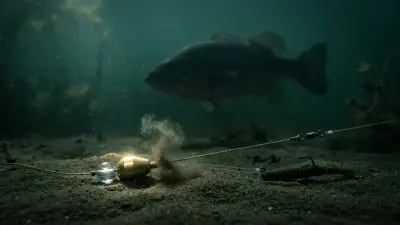
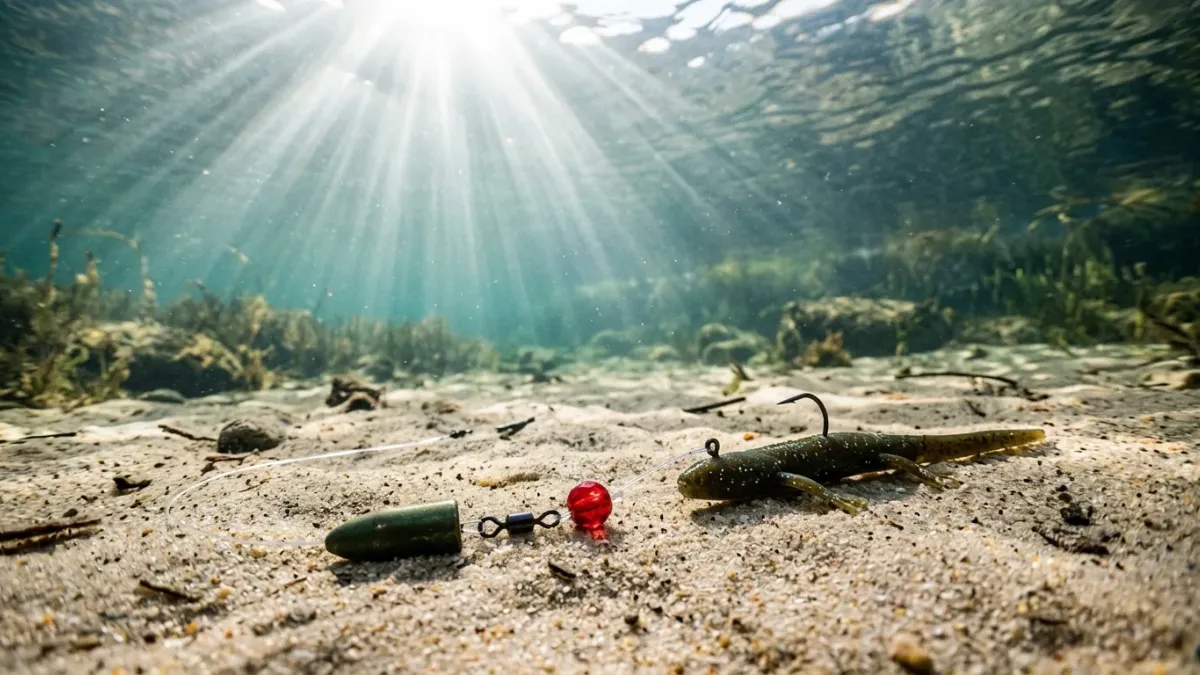
So, how does the Carolina rig work? It's simple: a weighted sinker is attached to the end of the line, followed by a swivel, and then a soft plastic lure or bait. The sinker weighs down the line, allowing the lure to sink to the bottom, while the swivel prevents the line from twisting. The soft plastic lure or bait is then presented to the fish in a natural and enticing way.
Step-by-Step Instructions for Rigging a Carolina Rig
Materials Needed
To rig a Carolina rig, you'll need a few basic materials. These include a medium to heavy action rod and reel, a spool of monofilament or braided line, a weighted sinker, a swivel, and a soft plastic lure or bait. Honestly, the type of line you use will depend on the type of fishing you're doing and the size of the fish you're targeting. For example, if you're fishing for bass in a lake, you might use a 10-15 lb monofilament line. But if you're fishing for larger fish in a river, you might use a 20-25 lb braided line.
Here's a list of the materials you'll need:
- Medium to heavy action rod and reel
- Monofilament or braided line
- Weighted sinker
- Swivel
- Soft plastic lure or bait
Now, let's move on to the step-by-step instructions for rigging a Carolina rig.
Rigging the Carolina Rig
To rig a Carolina rig, start by threading the weighted sinker onto the end of the line. The size of the sinker will depend on the depth of the water and the type of fishing you're doing. For example, if you're fishing in shallow water, you might use a smaller sinker, while in deeper water, you might use a larger one. Next, tie a swivel to the end of the line, above the sinker. This will prevent the line from twisting and allow the lure to move freely.
Then, tie a soft plastic lure or bait to the end of the line, above the swivel. The type of lure or bait you use will depend on the type of fish you're targeting and the time of year. For example, in the spring, you might use a soft plastic crawdad or lizard, while in the summer, you might use a soft plastic worm or frog.
Finally, adjust the length of the line between the swivel and the lure to the right size. This will depend on the type of fishing you're doing and the size of the fish you're targeting. For example, if you're fishing for bass in a lake, you might use a shorter line, while if you're fishing for catfish in a river, you might use a longer one.

Tips and Variations for the Carolina Rig
One of the great things about the Carolina rig is its versatility. It can be used in a variety of different fishing situations and can be adjusted to the right size and type of lure or bait. For example, you can use a Carolina rig to fish for bass in a lake, or to fish for catfish in a river. You can also use different types of lures or baits, such as soft plastic worms, crawdads, or lizards.
But what about the downsides of the Carolina rig? One of the main drawbacks is that it can be difficult to cast, especially in windy or tight spaces. To overcome this, you can use a lighter sinker or a different type of line, such as a braided line. You can also use a different type of lure or bait, such as a soft plastic frog or a spinnerbait.
Another tip for using the Carolina rig is to pay attention to the action of the lure or bait. If you're using a soft plastic lure, you'll want to use a gentle, subtle action to imitate the natural movement of the bait. If you're using a bait, such as a worm or a minnow, you'll want to use a more aggressive action to attract the fish.
Common Mistakes to Avoid When Using the Carolina Rig
One of the most common mistakes anglers make when using the Carolina rig is using too much weight. This can cause the line to sink too quickly and can result in the lure or bait getting stuck in the vegetation. To avoid this, use a lighter sinker and adjust the length of the line between the swivel and the lure to the right size.
Another mistake is not using the right type of line. Monofilament line can be prone to twisting and can result in the lure or bait spinning out of control. To avoid this, use a braided line or a fluorocarbon line, which are less prone to twisting.
Finally, don't be afraid to experiment and try different things. The Carolina rig is a versatile technique that can be used in a variety of different fishing situations. Don't be afraid to try different lures or baits, or to adjust the length of the line between the swivel and the lure. With a little practice and patience, you'll be catching fish in no time.
Conclusion and Final Thoughts
In conclusion, the Carolina rig is a powerful and versatile fishing technique that can be used to catch a variety of species. By following the step-by-step instructions and tips outlined in this article, you'll be able to rig a Carolina rig and start catching fish in no time. Remember to use the right type of line, to adjust the length of the line between the swivel and the lure to the right size, and to pay attention to the action of the lure or bait.
So, what are you waiting for? Get out there and start fishing with the Carolina rig. With a little practice and patience, you'll be catching fish in no time. And don't forget to share your experiences and tips with other anglers on the Fish Hunter website. Happy fishing!