There's something truly special about saltwater fishing. The vastness of the ocean, the pull of a strong fish, the smell of the sea air – it's an incredible escape from the daily grind. Many think it’s complex or expensive, but honestly, getting started with saltwater fishing can be surprisingly simple and incredibly rewarding, even for urban anglers or those new to the sport. Forget the fancy boats and deep-sea charters for a moment; we're going to talk about accessible, fun ways to get your line wet.
Diving into the Saltwater World: Why It's Different (and Awesome!)
While the basic principle of "hook, line, and sinker" remains, saltwater fishing presents a unique set of challenges and thrills compared to its freshwater cousin. You're dealing with stronger currents, tougher fish, and a corrosive environment that demands a bit more from your gear. But don't let that intimidate you! These factors also mean bigger bites, more diverse species, and often, a more dynamic fishing experience. It’s all about understanding these nuances and preparing accordingly, which is exactly what we’ll do.
The beauty of saltwater fishing is its accessibility. You don't always need a boat. Some of the most productive and relaxing fishing can be done right from the shore or a local pier. This makes it perfect for office workers seeking a weekend escape or apartment dwellers wanting to connect with nature without a huge investment in time or money.
Understanding Your Fishing Zones
Before you even think about gear, consider where you'll be casting your line. Different environments call for slightly different approaches:
- Shore & Beach Fishing: This is arguably the easiest entry point. You just need a spot on the sand or rocks, and you're good to go. It’s relaxing, often less crowded, and you can catch a surprising variety of fish, especially if you understand the tides.
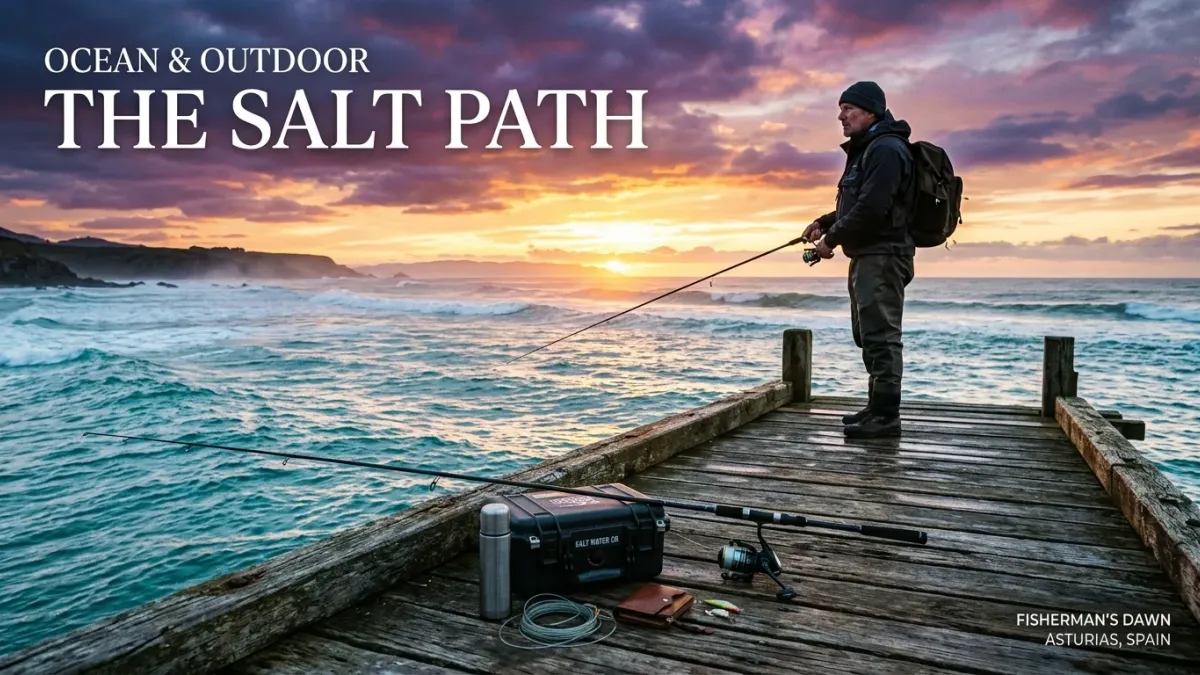
- Pier & Jetty Fishing: Piers and jetties offer access to deeper water without needing a boat. They’re excellent for beginners because they often have amenities, provide a stable platform, and attract many species that congregate around structure. We’ve even got a dedicated article on Pier Fishing for Beginners on Fish Hunter that you might find helpful!
- Kayak & Small Boat Fishing: For those ready to expand their horizons, a kayak or small boat opens up new opportunities to reach less-pressured spots. This is a step up in complexity, but offers incredible freedom. For now, we'll focus on the easier, land-based options to get your feet wet.

Gearing Up for the Brine: Your Essential Starter Kit
One of the first questions I always get is, "What gear do I need?" The good news is, you don't need to break the bank. You just need reliable, purpose-built equipment that can stand up to the corrosive saltwater environment. Trust me, I’ve seen too many freshwater reels rust into oblivion after one saltwater trip.
The Rod & Reel Combo: Your First Reliable Partner
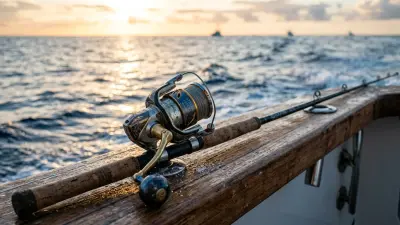
For beginners, I always recommend a spinning rod and reel combo. A spinning reel is the most user-friendly type of reel, great for casting and managing line, especially for beginners. The line spools off the stationary spool, making tangles less common than with a baitcasting reel. Look for a combo specifically designed for saltwater use – they'll have better corrosion resistance.
My go-to recommendation for a versatile beginner saltwater setup is a 7-foot medium-heavy spinning rod paired with a 4000 to 5000 series spinning reel. This setup is beefy enough to handle common saltwater species like Snapper, Redfish, Trout, and smaller Striped Bass, but still light enough to cast comfortably all day. Brands like Penn Battle III combos or Daiwa BG combos offer excellent value and durability for their price point.
Line, Leader, and Hooks: The Unsung Heroes
This is where many beginners get tripped up, but it's critical. Your line and terminal tackle are your direct connection to the fish!
- Fishing Line: For beginners, 15-20 lb monofilament line is a solid choice. Monofilament line is a single strand of nylon, known for its stretch, good knot strength, and abrasion resistance – helpful when fishing around rocks or barnacles. It's also relatively inexpensive. If you want more sensitivity and casting distance, 20-30 lb braided line (multiple strands woven together) is excellent, but you’ll want to tie on a fluorocarbon leader (a nearly invisible, abrasion-resistant line) of about 20-30 lb test at the end.
- Hooks: When fishing with bait, circle hooks are a game-changer. A circle hook is designed to hook the fish in the corner of its mouth when it swims away, reducing gut-hooking and making catch-and-release much safer for the fish. Sizes #1/0 to #4/0 will cover most inshore species.
- Sinkers: For bottom fishing from shore or a pier, you'll need sinkers to get your bait down. Pyramid sinkers (shaped like a pyramid) or bank sinkers (tear-drop shaped) in 1-4 ounce sizes are good choices, depending on current and casting distance.
Tackle Box Essentials: Small but Mighty
Don't forget the small stuff! These are the items that often save a trip:
| Item | Purpose | Tip for Beginners |
|---|---|---|
| Long-nose Pliers | Hook removal, cutting wire | Get rust-resistant, ideally stainless steel. |
| Line Clippers | Trimming excess line | Nail clippers work, but dedicated clippers are better. |
| Measuring Tape | Checking fish size limits | Crucial for compliance with regulations! |
| Small Cooler | Keeping bait fresh, storing drinks/snacks | Even a small one makes a big difference. |
| Sunscreen & Hat | Sun protection | Non-negotiable on sunny days by the water. |
| Rag/Towel | Cleaning hands, wiping fish | You'll be glad you have it. |
| First-Aid Kit | Minor cuts, scrapes | Always be prepared for small mishaps. |
Baits & Lures: What Saltwater Fish Crave
This is where the fun begins! What you put on your hook makes all the difference. Saltwater fish are opportunistic, but they definitely have preferences.
Live Bait: The Irresistible Scent
Nothing beats the smell and movement of live bait. For beginners, it's often the easiest way to get a bite because it looks and acts natural. Common choices include:
- Shrimp: The universal bait! Almost everything in the ocean will eat shrimp – from small Perch to big Redfish. You can buy them live or fresh dead from most bait shops.
- Squid: Another fantastic option, especially for bottom feeders like Flounder, Black Sea Bass, and some Snapper species. It’s tough, stays on the hook well, and has a strong scent.
- Cut Bait: Chunks of oily fish like mullet, mackerel, or pilchards are excellent for larger predatory fish like Catfish, Sharks, and larger Redfish.
For example, imagine this situation: you're at the end of a pier, the tide is coming in, and you've got a fresh piece of shrimp on your circle hook, casting it near a pilings. That natural scent and subtle movement is often all it takes to trigger a strike from a hungry Snapper or Seatrout lurking below. It’s a simple, effective strategy.
Artificial Lures: The Hunter's Choice
While live bait is often simpler, using lures can be incredibly exciting. It’s more active, allowing you to cover more water and target aggressive fish. For saltwater beginners, I recommend a few versatile types:
- Spoons: Metal spoons are great for casting long distances and imitating fleeing baitfish. They wobble and flash, attracting species like Spanish Mackerel and Bluefish.
- Jigs: A jig is essentially a weighted hook, often with a lead head, to which you can add a soft plastic body. They are incredibly versatile for vertical jigging or casting and retrieving. Soft plastic paddletails or shrimp imitations rigged on a jig head are deadly for Redfish, Trout, and Flounder.
- Poppers: These are topwater lures, meaning they float and work on the surface of the water. They create a "chugging" or "splashing" action that mimics a struggling baitfish, drawing explosive strikes from aggressive fish like Striped Bass or Bluefish.

Master the Basics: Knots, Casting, and Etiquette
Having the right gear is one thing, but knowing how to use it effectively is another. Don't worry, you don't need to be a knot-tying guru or a casting champion overnight. Start with the essentials.
Knot Know-How: Your Lifeline to the Fish
You only need a few reliable knots to get started. Master these, and you're golden:
- Improved Clinch Knot: This is your bread-and-butter knot for tying your fishing line to a hook, swivel, or lure. It’s strong and relatively easy to learn.
- Palomar Knot: Excellent for tying braided line directly to a hook or lure. It’s incredibly strong and reliable, though it can feel a bit fiddly at first.
- Uni Knot: A versatile knot that can be used for various applications, including tying your main line to a leader, or tying to a hook/swivel.
There are tons of great videos online that visually show you how to tie these. Practice them at home with a piece of string until you can do them blindfolded. Honestly, a poorly tied knot is the quickest way to lose a fish of a lifetime!
Casting with Confidence
For spinning reels, the basic overhead cast is all you need. Keep it simple: open the bail, hold the line, bring the rod back to about 10 o’clock, and sweep it forward, releasing the line when the rod is at about 2 o’clock. The key is a smooth, fluid motion, not brute force. Practice in an open field without a hook, just a sinker, to get the feel for it.
Saltwater Savvy: Rules of the Water
Respect for the environment and fellow anglers is paramount. Here's a quick rundown:
- Check Local Regulations: Always, always check with your state's wildlife or fisheries department for licensing requirements, size limits, bag limits, and seasonal closures for the species you’re targeting. This is non-negotiable!
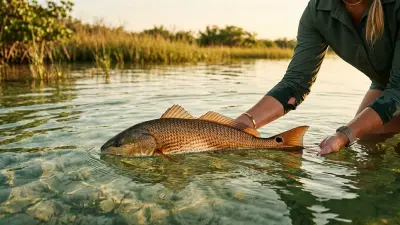
- Sustainable Fishing: Practice catch and release (releasing fish unharmed) for species you don't intend to eat or that are undersized. Using barbless hooks (hooks with the barb crimped down) makes releasing fish much easier and less harmful. Only keep what you need, and respect the resource.
- Be Mindful of Others: Give other anglers space, keep your noise down, and always clean up your trash. Leave the spot better than you found it.
Common Beginner Mistakes and How to Avoid Them
We all make mistakes when we start out – I certainly did! But learning from them makes you a better angler. Here are a few common pitfalls to steer clear of:
- Using Freshwater Gear in Saltwater: Saltwater is extremely corrosive. Freshwater reels will often seize up after just a few uses in the salt if not meticulously cleaned. Invest in saltwater-specific gear from the start.
- Not Checking Tides & Weather: Tides are crucial in saltwater. Fish feeding patterns are heavily influenced by the movement of water. A quick check of a tide chart before you go can dramatically improve your success. Similarly, sudden weather changes can make a trip dangerous or miserable.
- Ignoring Local Regulations: This isn't just about avoiding fines; it's about protecting fish populations for everyone. Know your limits and adhere to them.
- Overcomplicating the Setup: Beginners often buy too much gear or try too many different techniques at once. Start simple: one rod, one reel, one or two reliable baits, and master those.
- Not Rinsing Your Gear: After every single saltwater trip, rinse your rod and reel thoroughly with fresh water. This is the single most important maintenance step to prevent corrosion and extend the life of your gear.
What to Watch Out For
Saltwater fishing is generally safe and enjoyable, but it's important to be aware of your surroundings and potential hazards. Always watch out for sharp hooks, fish with spines or sharp teeth (like Catfish or some Snapper), and slippery rocks or pier surfaces. Sun exposure is a big one; wear protective clothing, sunglasses, and reapply sunscreen frequently. Lastly, be aware of the changing tides and strong currents, especially if you're fishing from the shore. Never turn your back on the ocean.
Frequently Asked Questions
Do I need a special license for saltwater fishing?
Yes, almost every state requires a saltwater fishing license, even for pier or shore fishing. These licenses are generally affordable and easy to obtain online or at bait and tackle shops. Always check your specific state's regulations before heading out.
What are the best times to fish in saltwater?
The "best" time often depends on the species, but generally, early morning (dawn) and late evening (dusk) are prime feeding times. Tides are also critical; fishing around the incoming or outgoing tide (especially an hour before and after high or low tide) is usually most productive.
How do I clean my gear after saltwater use?
It's simple but crucial! After every saltwater trip, lightly rinse your rod and reel with fresh tap water to remove salt residue. Don't use a high-pressure hose. Let them air dry completely before storing. Occasionally, a light spray of corrosion-inhibiting lubricant on the reel can also help.
There you have it – a solid foundation for diving into the exciting world of saltwater fishing. It's a journey, not a race, and every trip offers something new to learn and enjoy. Don't overthink it; grab some basic gear, check those local regulations, and hit your nearest pier or beach this weekend. The ocean is calling, and I guarantee you'll find relaxation, excitement, and maybe even a tasty dinner waiting for you. Happy fishing!