
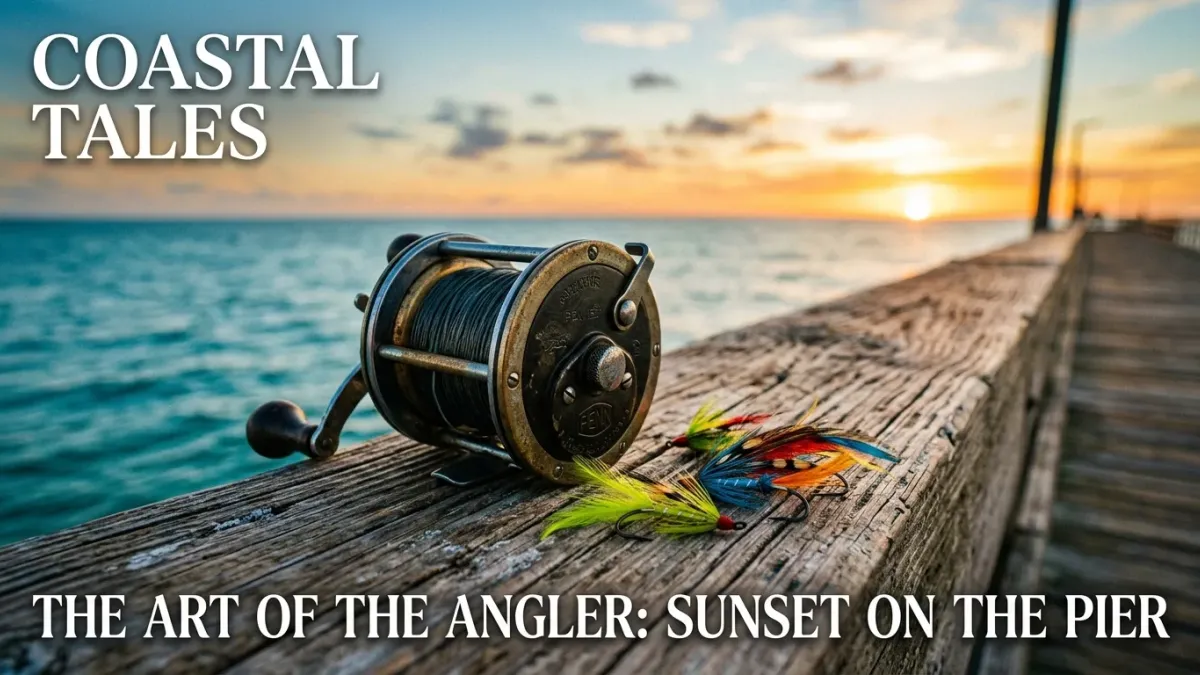
There's something uniquely captivating about pier fishing. Standing out over the water, feeling the sea breeze, and watching the waves roll in, it’s an accessible escape that offers both tranquility and the thrill of the catch. For many, a pier is their first introduction to the vast world of saltwater angling, and for good reason! It’s a fantastic entry point for apartment dwellers, busy office workers, or anyone who wants to enjoy a relaxing outdoor hobby without the hassle or expense of a boat. As a seasoned angler with over two decades of line in the water, I’ve seen countless smiles ignited by that first tug on a pier, and I’m here to tell you how to make your own pier fishing experience simple, fun, and successful.
Why Pier Fishing is Your Perfect Gateway to Angling
Imagine this: you’re surrounded by the rhythmic sounds of the ocean, the air is fresh, and with a simple cast, you’re connected to an underwater world teeming with life. That’s the magic of pier fishing. It breaks down so many barriers that often deter beginners, offering immediate access to diverse fish populations without needing a boat, specialized launching equipment, or even complex navigation skills. It's a truly democratic form of fishing, open to everyone.
The Allure of the Pier
Piers act as artificial reefs, attracting a huge variety of fish species. The pilings provide shelter and food sources, drawing in baitfish which, in turn, attract larger predatory fish. You'll find yourself fishing in depths that would typically require a boat, all while enjoying the camaraderie of other anglers and the convenience of being close to amenities like restrooms, bait shops, and even restaurants. My first real taste of saltwater fishing was on a long, wooden pier in Florida, and I was hooked after catching a feisty Spanish Mackerel. The sheer accessibility and potential for diverse catches make piers an ideal starting point for anyone new to the sport.
Common Pier Catches
One of the most exciting aspects of pier fishing is the variety of species you might encounter. Depending on your location and the season, you could be reeling in anything from delicious panfish to powerful game fish. Common pier inhabitants include species like Croaker, Whiting, Flounder, Pompano, Sheepshead, Spanish Mackerel, Spotted Seatrout, and various types of Snapper. Larger predators like Jack Crevalle or even small sharks can also cruise the pier pilings, offering an unexpected thrill. The key is to be prepared for anything and enjoy the surprise!
Essential Gear for Your First Pier Adventure
Getting started with pier fishing doesn't require breaking the bank. My philosophy has always been to keep it simple, effective, and budget-friendly, especially for beginners. You don’t need an arsenal of high-end equipment; just a few core pieces will get you catching fish in no time.
Rod and Reel Combos: Simple & Effective
For your first pier setup, I highly recommend a medium action spinning rod paired with a matching spinning reel. A spinning reel is a type of open-faced fishing reel where the spool remains stationary, and a metal "bail" rotates around it to wind the line onto the spool. This design makes them incredibly easy to cast, even for beginners. Look for a rod in the 6 to 7-foot range; this length offers a good balance of casting distance and maneuverability on a crowded pier. Pair it with a 2500 to 3000 size spinning reel. This reel size is versatile enough to handle most pier species without being too heavy or bulky. Many tackle shops offer excellent beginner combos, often a rod and reel pre-spooled with line, for under $100. Brands like Ugly Stik, Penn, or Daiwa offer reliable options that will last for years.
Line Logic: Mono vs. Braid for Beginners
Choosing the right fishing line is crucial. For beginners, monofilament line (often called "mono") is an excellent choice. It's affordable, easy to tie knots with, and has a good amount of stretch, which acts as a shock absorber when a fish strikes. A 6-12 lb test monofilament line is perfect for most small to medium-sized pier fish. As you gain experience, you might consider stepping up to braided line. This line is made of multiple strands of synthetic fibers woven together, offering incredible strength for its diameter and almost no stretch, which means better sensitivity to bites. For bigger pier fish like Mackerel or Snapper, a 10-20 lb braided line is a good upgrade. Just remember that braided line requires different knots and can be a bit trickier to handle initially.
Hooks, Sinkers, and Swivels: The Terminal Tackle Trio
These are the small but mighty components that connect your line to your bait. Keep it simple:
- Hooks: A basic J-hook in sizes 2 to 1/0 will cover most pier fishing needs. Circle hooks are also fantastic, especially for catch-and-release, as they tend to hook fish in the corner of the mouth, causing less harm.
- Sinkers: You'll need weight to get your bait down. Pyramid sinkers (1-3 oz) are great for holding bottom in current, while egg sinkers or split shot work well for lighter rigs or when you want your bait to drift naturally.
- Swivels: These prevent line twist. A snap swivel allows you to quickly change lures or rigs. Barrel swivels are simple and effective.
A simple Carolina Rig (egg sinker, bead, swivel, leader, hook) or a High-Low Rig (two hooks spaced apart on short leaders off a main line, with a sinker at the bottom) are excellent starting points for pier fishing.
Must-Have Accessories
Beyond the rod and reel, a few key accessories will make your trip smoother:
- Pliers/Forceps: Essential for removing hooks safely from fish.
- Small Cooler: For keeping bait fresh and your catch chilled.
- Rag/Towel: For wiping hands and handling fish.
- Small Tackle Box: To organize your hooks, sinkers, and other small items.
- Sunscreen & Hat: Pier fishing means sun exposure!
- Fishing License: Always check local regulations and acquire one before you go.
Here’s a quick checklist for your first pier fishing trip:
| Item | Recommendation for Beginners | Why You Need It |
|---|---|---|
| Rod & Reel Combo | 6-7 ft Medium Action Spinning Rod with 2500-3000 size Spinning Reel | Versatile, easy to cast, handles most pier species. |
| Fishing Line | 6-12 lb Monofilament (pre-spooled on reel) | Affordable, easy to knot, good stretch for beginners. |
| Hooks | Assorted J-hooks (size 2 to 1/0) or Circle Hooks | For various bait sizes and target species. |
| Sinkers | Assorted Pyramid Sinkers (1-3 oz), Split Shot | To get bait to the bottom and hold it in current. |
| Swivels | Barrel Swivels, Snap Swivels (size 7-10) | Prevents line twist, allows quick rig changes. |
| Pliers/Forceps | Small, rust-resistant fishing pliers | Safe hook removal, cutting line. |
| Bait | Live Shrimp, Squid, or Cut Bait (e.g., mullet) | Effective for a wide range of saltwater pier fish. |
| Small Cooler | Insulated bag or small hard cooler | Keeps bait fresh, stores your catch. |
| Fishing License | Required by local state/country regulations | Legal requirement; support conservation efforts. |
Mastering the Basics: Techniques & Bait for Pier Success
With your gear ready, it’s time to talk strategy. Fishing isn't just about throwing a line in the water; it's about understanding the environment and presenting your bait effectively. But don't worry, pier fishing techniques are straightforward and rewarding.
Reading the Water: Where to Cast
Piers offer many "structure" points that attract fish. The pilings themselves are prime real estate, providing cover and food. Cast close to the pilings, but be mindful of getting snagged. Look for areas with current breaks, eddies, or where baitfish are congregating. Often, the end of the pier where the water is deeper, or near any submerged structure like artificial reefs placed around the pier, will be productive. Sometimes, casting further out into open water can yield different species, especially if you're targeting migratory fish like Mackerel. Always observe where other successful anglers are casting – they often have local knowledge!
Bait & Lure Strategies: What Works Best
Bait choice is critical. For pier fishing, live bait is often king, but artificial lures can be incredibly effective too. My go-to live bait for beginners is live shrimp; nearly everything that swims in saltwater will eat a shrimp! Squid strips and cut bait (like small pieces of mullet, anchovy, or sardine) are also excellent and hardy options. For lures, consider small spoons or Gotcha plugs for Spanish Mackerel, or soft plastic paddle tails rigged on jig heads for Flounder and Seatrout. Don't forget a Sabiki rig – a string of small, flashy flies – to catch your own live baitfish, which are irresistible to larger predators.
Here are some common pier baits and the fish they attract:
- Live Shrimp: Universally effective for almost all pier fish including Snapper, Trout, Flounder, Whiting, Croaker, Pompano.
- Squid Strips: Excellent cut bait for a wide variety of bottom feeders like Flounder, Snapper, Sheepshead, and even small sharks.
- Cut Bait (Mullet, Sardine, Anchovy): Great for larger predatory fish such as Spanish Mackerel, Jack Crevalle, Snapper, and Catfish.
- Bloodworms/Fishbites: Ideal for smaller panfish like Whiting and Croaker, known for their strong scent.
- Artificial Lures (Spoons, Jigs, Soft Plastics): Effective for active predators like Spanish Mackerel, Jack Crevalle, Flounder, and Spotted Seatrout.
The Art of the Cast and Retrieve
Learning to cast effectively is a fundamental skill. With a spinning reel, it’s quite simple: open the bail, hold the line with your index finger, bring the rod over your shoulder, and with a smooth forward motion, release the line as the rod comes forward. Practice makes perfect, so don't be discouraged if your first few casts aren't perfect. Once your bait is in the water, you'll either let it sit on the bottom (bottom fishing) or slowly retrieve it (lure fishing or drifting bait). When retrieving, maintain a steady pace and be alert for any unusual taps or pulls. Vary your retrieve speed and add pauses if using lures to mimic natural prey movements.
Setting the Hook and Reeling in Your Catch
When you feel a bite – that distinct tug or tap on your line – it's crucial to react quickly. This is called "setting the hook." Give your rod a firm, sharp jerk upwards or to the side to ensure the hook penetrates the fish's mouth. Don't overdo it, a quick wrist snap is usually enough. Once the hook is set, keep constant tension on the line by steadily reeling. Avoid pumping the rod too aggressively, as this can create slack and allow the fish to escape. Let the rod do the work, bending to absorb the fish's runs, and use your reel's drag system (the knob that controls how much line pays out under pressure) to tire the fish out. It's a dance between angler and fish, and with practice, you'll learn to lead.
Avoiding Pitfalls & Fishing Responsibly
Even seasoned anglers make mistakes, but knowing the common ones can help you avoid frustration and ensure a more enjoyable, successful trip. More importantly, responsible fishing practices are key to preserving our precious marine ecosystems for future generations.
Common Beginner Mistakes and How to Dodge Them
One of the biggest mistakes I see beginners make is using gear that's too heavy or too light for their target species, or simply the wrong line type. Using 50 lb braided line for tiny Whiting is overkill, just as trying to land a King Mackerel on 6 lb mono is asking for trouble. Always match your tackle to your intended catch. Another common error is not checking local fishing regulations. Size limits, bag limits, and protected species vary by location and season, and ignorance is no excuse for breaking the law. A quick online search before you head out can save you a hefty fine. Finally, impatience is a fish-killer! Sometimes the bite is slow, and that's okay. Enjoy the peace and quiet, observe other anglers, and be ready when the fish decide to cooperate.
Essential Knots for Pier Anglers
Reliable knots are your lifeline to the fish. Here are three essential knots every pier angler should know:
- Improved Clinch Knot: This is a strong and popular knot for tying your fishing line directly to a hook, swivel, or lure. It's relatively easy to learn and holds well with monofilament and fluorocarbon lines.
- Palomar Knot: Considered one of the strongest and most reliable knots, especially excellent for braided line due to its strength and simplicity. It's fantastic for attaching hooks or lures.
- Uni Knot: A versatile knot that can be used for various purposes, including tying line to a hook, swivel, or lure, and even for joining two lines of similar diameter. It’s a great all-around knot for different line types.
Practice these at home until you can tie them quickly and confidently. A poorly tied knot is the weakest link in your setup and often the reason for lost fish.
Sustainable Fishing: Be a Steward of the Sea
As anglers, we have a responsibility to protect the resources we enjoy. Practicing sustainable fishing ensures that there will be fish for years to come. Always adhere to local size and bag limits – these regulations are in place to allow fish to reproduce and grow. Consider using barbless hooks, or crimp down the barb on your existing hooks with pliers; this makes hook removal much easier and causes less damage to the fish if you plan to release it. When practicing catch and release, handle fish gently, support their weight horizontally, and return them to the water quickly. Avoid keeping fish out of the water for extended periods, especially in warm weather. A healthy fish population benefits everyone!
What to Do This Weekend: Your First Pier Trip
Ready to get your line wet? Here’s your actionable plan for this weekend:
- Check Local Regulations: Look up the fishing license requirements and local pier rules for your chosen spot.
- Gather Your Gear: Grab your 6-7 ft medium spinning combo, a small selection of hooks, sinkers, swivels, pliers, and a small cooler.
- Buy Your Bait: Head to a local tackle shop for live shrimp, squid, or cut bait. They can also offer up-to-the-minute advice on what's biting.
- Head to the Pier: Find a comfortable spot, observe other anglers, and set up your rig (Carolina or High-Low rig are great starts).
- Cast and Relax: Practice your casting, be patient, and enjoy the experience. Don’t be afraid to ask for advice from friendly fellow anglers!
- Respect the Environment: Pack out everything you pack in, and handle any fish you catch responsibly.
Pier fishing is more than just catching fish; it's about connecting with nature, finding peace, and enjoying the simple pleasures of the outdoors. With this guide, you have everything you need to embark on a successful and enjoyable pier fishing journey. Tight lines, my friend!