Your First Cast Towards Relaxation: Discovering Freshwater Fishing
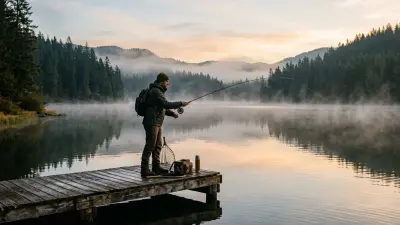
Ever gazed at a peaceful lake or river and thought, "I wish I could do that"? Or maybe you're an office worker dreaming of a weekend escape, a homeowner looking for a new relaxing hobby, or an apartment dweller eager to connect with nature without a huge investment. Well, my friend, you've come to the right place. freshwater fishing is one of the most accessible, rewarding, and downright enjoyable hobbies out there, and I'm here to show you exactly how to get started without the overwhelm.
For over two decades, I've chased everything from feisty Largemouth Bass in urban ponds to elusive Trout in mountain streams. I've learned that you don't need fancy gear or a secret handshake to catch fish – just a little know-how, the right attitude, and a few basic tools. This guide is built to cut through the noise, giving you practical, actionable advice that will have you making your first confident casts and feeling that first thrilling tug on your line sooner than you think. Let's make fishing simple, fun, and successful for you, right here on Fish Hunter.
Gearing Up: Your First Freshwater Fishing Setup Doesn't Need to Break the Bank
When you're starting out, the sheer volume of fishing gear can be intimidating. Honestly, you don't need a boatload of expensive equipment. We're going to focus on a versatile, budget-friendly setup that will handle most freshwater situations you'll encounter.
The Essential Rod & Reel Combo
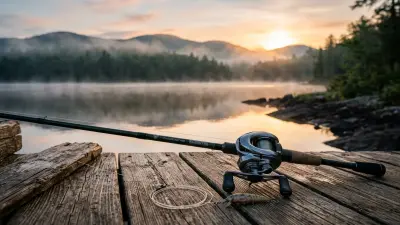
For beginners, a spinning combo is the undisputed champion. It's incredibly easy to use, forgiving, and versatile. A spinning reel is an open-faced reel where the line spools off in coils as you cast, making it very simple to learn. Look for a combo that includes:
- Rod: A 6 to 7-foot medium-action spinning rod. This length offers good casting distance and control, while a medium action means it's flexible enough to cast lighter lures but strong enough to handle a decent-sized fish.
- Reel: A 2500 to 3000 size spinning reel. These numbers refer to the reel's capacity and strength. A 2500-3000 size is a perfect all-rounder for freshwater species like Bass, Perch, and even smaller Catfish. Many reputable brands offer excellent beginner combos for under $100.
The Right Line for the Job
Next up is your fishing line. For your first steps, I strongly recommend monofilament line (often shortened to "mono"). This is a single-strand nylon line, known for its stretch, good knot strength, and affordability. It's also less visible in the water, which can be a real advantage.
- Strength: Start with 6 to 10-pound test monofilament line. This is robust enough for most freshwater fish you'll encounter without being so heavy it hinders your casting.
- When to consider Braided Line: While mono is great for beginners, as you progress, you might explore braided line. This is made from multiple strands woven together, offering incredible strength-to-diameter ratio, no stretch, and greater sensitivity. A 10 to 20-pound braid is common for freshwater, but it's a bit more advanced to use, so stick with mono for now.
Must-Have Terminal Tackle & Accessories
Beyond your rod and reel, you'll need a few small but critical items, often called "terminal tackle" because they go at the end of your line. A small tackle box (even a plastic storage container will do!) is perfect for keeping these organized.
- Hooks: A basic assortment of J-hooks (sizes #6 to #1/0) will cover most live bait presentations. You might also grab some small circle hooks (size #4 to #2) which are excellent for catch and release as they often hook fish in the corner of the mouth, causing less harm.
- Sinkers: A pack of assorted split-shot sinkers (small, squeezable weights) and a few egg sinkers (1/4 oz to 1/2 oz) will help get your bait down to where the fish are.
- Bobbers: Both clip-on bobbers and slip bobbers are useful. A bobber tells you when a fish bites by dipping under the water. Slip bobbers are more versatile for deeper water.
- Pliers/Line Clippers: Essential for removing hooks and cutting line. A small multi-tool works wonders.
- Measuring Tape: To ensure your catches meet local size limits.
- Fishing License: Don't forget this! It's legally required in most places and supports conservation efforts. Check your local state or provincial regulations online.

Mastering the Basics: Simple Techniques That Catch Fish
Now that you have your gear, let's talk about how to use it. You don't need fancy retrieves or intricate presentations to start catching fish. Keep it simple and focus on the fundamentals.
Casting Like a Pro (Almost!)
The first step is getting your bait or lure into the water. For a spinning reel, the overhead cast is your bread and butter. It's simple:
- Hold the rod with the reel stem between your middle and ring fingers.
- Open the bail (the metal arm on the reel) with your free hand.
- Hook the line with your index finger.
- Bring the rod tip back to about 10 or 11 o'clock.
- Smoothly sweep the rod forward, releasing your index finger as the rod reaches about 1 or 2 o'clock, aiming for your target.
- As your lure hits the water, close the bail to prevent tangles.
Practice in your yard with a casting plug or a weighted washer. Consistency is key, and it will quickly become second nature.
Baiting Up & Presenting Your Offer
This is where the magic happens! For beginners, live bait is often the most effective and easiest way to start catching fish. Why? Because it looks, smells, and moves naturally, making it irresistible to many species.
- Worms: The classic choice! Live nightcrawlers or red wigglers are deadly for almost any freshwater fish – Largemouth Bass, Perch, Catfish, Trout, you name it. Thread a worm onto your hook so it wiggles naturally, covering the hook point.
- Minnows: Small baitfish are excellent for larger predatory fish like Bass and Crappie. Hook them lightly through the lips or dorsal fin.
For presenting your bait, a simple bobber rig is fantastic. Attach a bobber about 1-3 feet above your hook, with a split-shot or two just above the hook to keep the bait down. Cast it out and watch that bobber! When it dips, pull the rod tip up firmly to set the hook. This is often referred to as "still fishing" and is perfect for a relaxing afternoon. For bottom dwellers like Catfish, a simple bottom rig with an egg sinker above a swivel and a short leader to your hook will do the trick.
Essential Knots You Need to Know
Learning just two reliable knots will cover almost all your needs as a beginner. A poorly tied knot is the weakest link in your setup, so practice these until you can tie them confidently.
- Improved Clinch Knot: Your go-to for tying a hook or lure directly to your monofilament line. It's strong and relatively easy to learn.
- Palomar Knot: An incredibly strong and reliable knot, especially good for tying braided line, but works beautifully with mono too. It's often considered one of the strongest knots available.
Plenty of instructional videos online show step-by-step how to tie these. Grab some spare line and a hook, and get to practicing!
Finding Your Fish & Fishing Smart
Knowing where to cast is almost as important as knowing how to cast. Fish aren't just everywhere; they're usually hiding in specific spots.
Where to Cast Your Line
Start with local public access points: city parks with ponds, community lakes, riverbanks, or public piers. These spots are often stocked and easy to get to. But what would you do once you get there? Look for structure!
- Cover: Fish love to hide. Look for fallen trees (snags), rock piles, docks, lily pads, reeds, or any other underwater vegetation. These spots offer fish protection from predators and ambush points for their prey.
- Depth Changes: Where a shallow area drops off into deeper water is often a productive spot.
- Inflows/Outflows: Moving water from streams or culverts can bring in food and oxygen, attracting fish.
For example, imagine this situation: You arrive at a local park pond. Instead of just casting into the open water, scan the banks. See that old fallen tree partially submerged? Or those lily pads clustered near the far bank? Those are prime targets. Cast your worm-and-bobber setup near the edges of that cover and give it time. You'll be surprised what's lurking beneath.
Seasonal Patterns: A Quick Peek
Fish behavior changes with the seasons, mainly due to water temperature and spawning cycles. This is something you'll learn more about over time, but a quick overview helps:
- Spring: Fish move into shallower waters to spawn, making them more accessible and aggressive. This is an excellent time for Bass and Panfish (like Perch and Bluegill).
- Summer: As waters warm, many fish will move to deeper, cooler areas or seek dense cover during the heat of the day. Early morning and late evening are often best.
- Fall: A "feeding frenzy" often occurs as fish fatten up for winter. They can be very active and aggressive, making it a fantastic time to fish.
Common Beginner Blunders & How to Fix Them
Trust me, we've all been there. Every angler, from seasoned pro to absolute beginner, has made these mistakes. The key is learning from them!
- The Dreaded Tangle (Bird's Nest): This usually happens when you cast with the bail open or don't close it quickly enough, or simply put too much line on the reel. Prevention is key: ensure the bail is always closed before reeling, and don't overfill your spool. If it happens, take a deep breath, gently pull at the loops, and use a small pick or hook to untangle. Don't force it!
- Not Setting the Hook: Many beginners just reel when they feel a bite. When a fish bites, you need to lift the rod tip sharply (usually to about 12 o'clock) to drive the hook point into the fish's mouth. This is called "setting the hook."
- Impatience: Fishing requires patience. Sometimes it takes time for fish to find your bait. Don't pack up after 10 minutes if you haven't had a bite. Try different spots, different depths, or even different baits.
- Ignoring Local Regulations: This isn't just a mistake, it can lead to fines. Always know the size and bag limits for the species you're targeting in your specific body of water.
Fish Responsibly: Sustainable Practices for Every Angler
As anglers, we have a responsibility to protect our waterways and fish populations. These practices ensure there are plenty of fish for future generations to enjoy.
- Catch and Release: Practice catch and release, especially for larger breeding fish, if you don't plan to eat your catch. Handle fish gently with wet hands to protect their slime coat, and release them quickly.
- Barbless Hooks: Consider crimping down the barbs on your hooks with pliers. Barbless hooks make it much easier to remove a hook, causing less stress and injury to the fish, which significantly improves their survival rate after release.
- Respect Size and Bag Limits: These limits are in place for a reason – to maintain healthy fish populations. Know them and adhere to them without exception.
- Leave No Trace: Pack out everything you pack in. Don't leave trash, discarded fishing line, or bait containers. Our waterways are precious.
What to Do This Weekend: Your First Freshwater Fishing Adventure!
You're ready! Here’s your actionable plan for this weekend:
- Get Your License: A quick online search for your state/province's fishing license website will get this done in minutes.
- Assemble Your Starter Kit: Pick up a 6-7 ft medium spinning combo, 8-10 lb monofilament line, a small assortment of hooks (#6 to #1/0), split-shot sinkers, a few bobbers, pliers, and a small tackle box. Don't forget live worms from a bait shop!
- Find a Local Spot: Use Google Maps to find public parks with ponds or lakes near you. Look for visible cover like docks or lily pads.
- Practice Your Cast: Spend 10-15 minutes in your yard. Then head to the water, rig up with a bobber, worm, and sinker, and cast near that promising cover.
- Be Patient & Enjoy! Watch your bobber, feel the sun, and soak in the peace. The catch is a bonus, the experience is the reward.
There you have it – your comprehensive guide to getting started with freshwater fishing. It's not about being an expert overnight; it's about taking that first step, enjoying the process, and learning with every cast. Believe me, the thrill of your first catch, no matter how small, is a feeling you won't soon forget. So grab your gear, find a quiet spot, and let the relaxation begin. I'll see you on the water!