
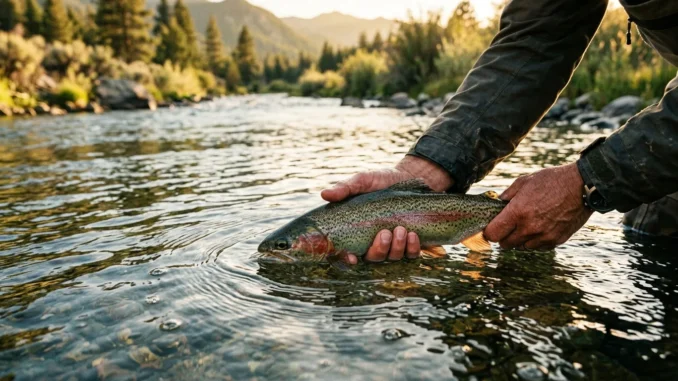
Every time you cast a line, you’re stepping into a timeless dance with nature. There’s the thrill of the bite, the fight, and the ultimate moment of truth when you bring a fish to hand. For many of us, especially those just starting out or looking for a relaxing escape from the daily grind, fishing is about more than just filling a cooler. It’s about the experience, the connection, and the quiet satisfaction of being outdoors. And in that spirit, there’s one practice that truly elevates the sport and ensures those moments continue for generations: catch-and-release fishing.
You might have heard the term, but do you really know why it matters? As a seasoned angler who’s spent over two decades chasing fish in lakes, rivers, and along our coasts, I’ve seen firsthand the profound impact catch and release has. It’s not just a nice idea; it’s a fundamental pillar of responsible angling. Let me tell you why embracing this technique won’t just benefit the fish, but will surprisingly make you a more skilled, more thoughtful, and ultimately, a more successful angler.
Protecting Our Fisheries for Future Fun: The Ecological Imperative
Let’s face it, our waterways are under more pressure than ever. More people are discovering the joy of fishing, which is fantastic, but it also means more lines in the water. Every fish kept is one less fish in the population that can reproduce, grow, and contribute to a healthy ecosystem. Think of it like a garden: if you harvest every single vegetable, you won’t have any seeds to plant for next year. Catch and release is essentially planting those seeds back, ensuring a bountiful harvest for seasons to come.
This practice is especially crucial for popular sportfish like Largemouth Bass, Trout, Pike, or Snapper in coastal areas. These species are often targeted heavily, and without a commitment to releasing a good portion of our catch, their populations can quickly dwindle. A strong, diverse fish population isn’t just good for fishing; it’s essential for the entire aquatic environment, from the smallest insects to the biggest predators. It’s about sustainable fishing – making sure there are plenty of fish for our kids and grandkids to enjoy.
Consider a situation where a local pond is stocked with trout. If every angler keeps their limit every single day, that pond will be fished out in no time. But if most anglers release a significant portion of their catch, those fish get to grow bigger, smarter, and provide thrilling fights for many more days. It’s a simple equation: more fish released means more fish to catch later.
Sharpening Your Skills: The Angler’s Edge
Now, here’s where the selfish (in a good way!) benefits come in. Focusing on catch and release pushes you to become a better angler. Why? Because landing a fish is only half the battle; the other half, and arguably the more critical half, is releasing it safely and successfully. This demands a whole new set of angler skills that go beyond just casting and reeling.
You’ll learn to handle fish gently but firmly, to unhook them quickly and efficiently, and to understand the signs of a stressed fish that needs extra care before swimming off. This attention to detail translates into better technique across the board. You’ll become more observant of fish behavior, more precise with your movements, and more patient. Honestly, some of my most memorable fishing moments are watching a healthy fish swim strong away from my hands, a testament not just to the catch, but to the responsible release.
But what would you do in this situation? Imagine hooking into a beautiful 20-inch Largemouth Bass, a real trophy. You’ve fought it hard, brought it to the boat, and now it’s in your net, gills flaring. Your first instinct might be to hoist it up for a quick photo, but a seasoned angler knows better. You’ll prioritize the fish’s well-being, getting that hook out and the fish back into the water as quickly and gently as possible. This mindset shifts the focus from simply “harvesting” to truly “sporting,” deepening your appreciation for the catch itself.
The Practical How-To: Mastering Release Techniques
So far we’ve covered the ‘why’ behind catch and release. Now let’s get to the really critical point: the ‘how.’ Releasing a fish properly isn’t just about tossing it back; it’s a careful process that maximizes its chances of survival. Here’s a step-by-step guide to proper fish handling for release:
- Minimize Fight Time: While fun, prolonged fights exhaust fish. Use appropriate tackle for the size of fish you’re targeting to land them efficiently. For beginners, a 6-7 ft medium spinning rod paired with a 2500-3000 size reel and 8-10 lb monofilament line is a versatile choice for many freshwater species like bass or trout.
- Wet Your Hands: Always wet your hands thoroughly before touching a fish. Dry hands can remove the fish’s protective slime coat, making it vulnerable to infection.
- Support the Fish: Never hold a fish by just its jaw or tail if it’s a larger species. Support its belly, especially for bigger fish, to avoid damaging its internal organs or spine. Keep it horizontal as much as possible.
- Quick Unhooking: Have your tools ready. A good pair of long-nosed pliers or a dedicated hook remover is essential. Barbless hooks (hooks with the small barb either removed or crimped flat) make unhooking incredibly easy and cause less damage to the fish. I highly recommend them, especially for beginners and those focused on catch and release.
- Limit Air Exposure: Fish can’t breathe air. Keep them in the water as much as possible, especially if you want a photo. A quick picture with the fish partially submerged is always better than holding it out of water for a long time. Every second out of water is stressful.
- Revive, Don’t Toss: If a fish seems sluggish or disoriented after unhooking, gently hold it upright in the water, facing into a gentle current (if available). Move it back and forth slightly to push water over its gills until it regains strength and swims away on its own. Don’t just throw it back; you want to ensure it has the best chance.
These steps might seem like a lot at first, but with practice, they become second nature. This mindfulness about the fish’s well-being will carry over into every aspect of your fishing, making you a more considerate and effective angler.
Beyond the Water: Community & Ethics
Catch and release isn’t just about individual fish; it’s about fostering a culture of fishing ethics and responsibility within the angling community. When you practice catch and release, you’re setting an example for others, especially new anglers who are learning the ropes. You’re contributing to a collective effort to preserve our natural resources.
Many areas have specific regulations like size limits (e.g., you can only keep bass over 12 inches) or bag limits (e.g., you can only keep 5 trout per day). Catch and release often goes beyond these minimum requirements, demonstrating a commitment to conservation that ensures future generations can enjoy the same opportunities we do. To be fair, there are times and places where keeping a fish or two for a meal is perfectly acceptable and within regulations – responsible harvesting is part of fishing too. But making catch and release your default, especially for larger breeding fish, is a powerful contribution.
Common mistakes I see often include anglers using treble hooks on lures that can deeply injure fish, or simply being too rough during handling. By choosing single hooks, crimping barbs, and committing to gentle handling, you’re actively preventing these problems. I believe it’s our duty as anglers to leave the water better than we found it, and catch and release is one of the most direct ways to do that.
Ultimately, catch and release transforms fishing from a simple hunt for food into a deeper connection with the environment. It makes you a custodian of the waters you love, ensuring that the magic of a bending rod and a strong fish on the line will be there for all of us, for many years to come. So, next time you’re out on the water, consider making catch and release your go-to practice. Your local fishery, and your own angling skills, will thank you for it.
Leave a Reply