
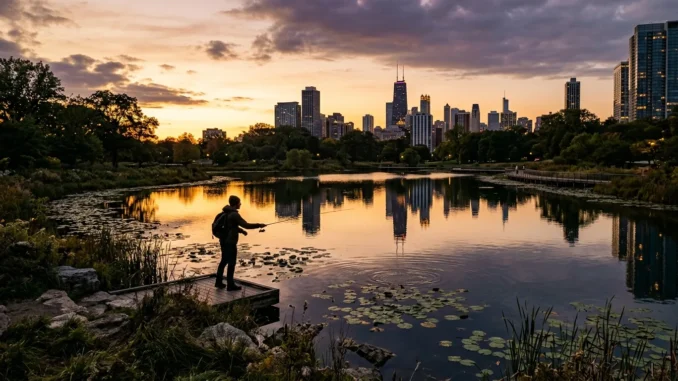
Introduction to Urban Pond Fishing
Imagine spending a relaxing Saturday morning fishing in a peaceful urban pond, surrounded by nature and the sounds of the city. For many of us, this is a hidden gem waiting to be discovered. As an avid angler, I can attest that urban pond fishing can be just as rewarding as fishing in more remote locations. With the right gear and techniques, you can catch a variety of fish species in your local city park.
But what would you do in this situation? You’ve decided to try urban pond fishing, but you’re not sure where to start. Let me add something here: it’s essential to research the local fishing regulations and obtain any necessary permits before you begin. In my opinion, it’s always better to be safe than sorry.
To get started, you’ll need to choose the right fishing gear. For urban pond fishing, I recommend a medium-light to medium-heavy action spinning rod paired with a 2500-3000 size reel. This setup will allow you to catch a variety of fish species, from panfish to larger species like bass and catfish.
Choosing the Right Gear and Bait
Fishing Rod and Reel
When it comes to choosing a fishing rod and reel, there are several factors to consider. First, think about the type of fish you’re targeting. If you’re after smaller species like panfish or trout, a lighter action rod and reel will suffice. However, if you’re targeting larger species like bass or catfish, you’ll need a more robust setup. Based on my experience, a 6-7 ft medium spinning rod paired with a 2500-3000 size reel is a great all-around choice for urban pond fishing.
Let’s talk about line types and strengths. For beginners, I recommend using 6-12 lb monofilament line. This line is easy to handle and provides a good balance between strength and sensitivity. However, if you’re targeting larger species, you may want to consider using 10-20 lb braided line. Braided line is stronger and more durable than monofilament, but it can be more difficult to handle.
Now, let’s discuss bait and lure recommendations. For urban pond fishing, I recommend using live bait like worms, minnows, or crickets. These baits are easy to obtain and can be very effective for catching a variety of fish species. However, if you prefer to use lures, small jigs or spinners can be very effective for catching panfish and other small species.
Finding the Best Fishing Spots
Understanding Urban Pond Ecology
When it comes to finding the best fishing spots in an urban pond, it’s essential to understand the local ecology. Look for areas with plenty of cover, such as submerged vegetation, rocks, or sunken logs. These areas will attract a variety of fish species and provide them with a place to hide and feed.
To be fair, finding the best fishing spots can take some trial and error. But what would you do in this situation? You’ve arrived at the urban pond, and you’re not sure where to start fishing. Honestly, I would recommend starting in areas with plenty of cover, such as near submerged vegetation or rocks. These areas tend to attract a variety of fish species and can be very productive.
Some other areas to consider include drop-offs, weed beds, and areas with plenty of structure. These areas can provide a variety of fish species with a place to feed and hide, and can be very productive for anglers. For example, imagine this situation: you’re fishing in an urban pond, and you notice a large school of fish swimming near a submerged rock. This could be a great opportunity to catch a few fish, as the rock provides a place for the fish to hide and feed.
Common Mistakes and Troubleshooting
Avoiding Common Mistakes
When it comes to urban pond fishing, there are several common mistakes that anglers can make. One of the most common mistakes is not researching local fishing regulations. This can result in fines or even the confiscation of your gear. To avoid this mistake, make sure to research the local fishing regulations and obtain any necessary permits before you begin fishing.
Another common mistake is not handling fish properly. When handling fish, it’s essential to be gentle and avoid touching their eyes or gills. This can help prevent injury to the fish and ensure that they survive after being released. In my opinion, it’s essential to practice catch and release fishing whenever possible, as this can help conserve fish populations and ensure the long-term sustainability of urban pond fishing.
Some other common mistakes include not using the right gear, not being patient, and not respecting the environment. To avoid these mistakes, make sure to choose the right gear for the type of fishing you’re doing, be patient and wait for bites, and respect the environment by not littering and not disturbing the local ecosystem.
Conclusion and Final Tips
So far we’ve covered the basics of urban pond fishing, from choosing the right gear and bait to finding the best fishing spots and avoiding common mistakes. Now let’s get to the really critical point: putting it all into practice. To be successful at urban pond fishing, you need to be patient, persistent, and willing to learn. Don’t be discouraged if you don’t catch anything right away – keep trying, and you’ll eventually start to see results.
Finally, remember to always respect the environment and follow local fishing regulations. This will help ensure the long-term sustainability of urban pond fishing and allow future generations to enjoy this wonderful hobby. So why not get out there and give urban pond fishing a try? With the right gear, techniques, and mindset, you can catch a variety of fish species and enjoy a fun and relaxing day on the water.
Leave a Reply