
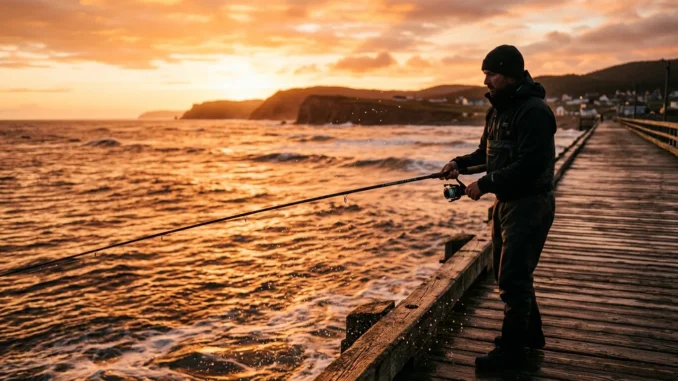
Why Pier Fishing is Your Perfect Coastal Adventure
Ever felt that pull to the ocean, that urge to connect with nature, but thought fishing was too complicated or required a boat? Well, let me tell you, pier fishing is your answer! It’s one of the most accessible, relaxing, and rewarding ways to get into saltwater fishing, especially for apartment dwellers or office workers looking for a quick escape. Piers offer a fantastic platform, putting you right where the fish are without needing expensive gear or deep-sea charters.
Think about it: fresh air, the rhythmic sound of waves, and the thrill of a tug on your line. Piers provide easy access to deeper water where many coastal species feed, often with amenities like restrooms, bait shops, and even cleaning stations. It’s a social environment, too, where you can learn from seasoned anglers and share stories. Honestly, for anyone wanting to dip their toes into the vast world of fishing, a pier is the absolute best starting point.
On Fish Hunter, we believe fishing should be simple, fun, and successful. Pier fishing embodies that spirit perfectly. You don’t need a PhD in marine biology to catch fish from a pier; you just need a little know-how and the right approach, which we’re about to dive into!
Essential Gear for Your First Pier Trip (Keep it Simple!)
Forget those images of complicated tackle boxes overflowing with gadgets. For pier fishing, we’re going to keep it minimal, effective, and budget-friendly. The goal is to get you fishing, not bankrupting you!
Rods & Reels: The Right Combo
For beginners, a spinning combo is the way to go. This means the rod and reel are often sold together, pre-matched for balance and performance. Look for a medium-action spinning rod, typically 6 to 7 feet long. This length gives you good casting distance from the pier and enough backbone to handle most common pier species without being too unwieldy.
Pair that with a spinning reel in the 2500 to 3000 size range. This size is versatile enough for smaller panfish like Spot or Croaker, but can also handle larger catches like a decent Snapper or even a small Mackerel. The spinning reel is user-friendly, with an open-face design where the line spools off freely during a cast, making it easy to learn.
Line & Leader: What You Need to Know
When it comes to line, I recommend starting with monofilament line (often called “mono”). A 10 to 15-pound test monofilament line is a great all-around choice for pier fishing. It’s affordable, easy to tie knots with, and has a bit of stretch, which can be forgiving for beginners. Its clear or light-colored appearance also makes it less visible in the water.
As you get more comfortable, you might consider stepping up to braided line, perhaps 15 to 20-pound test. Braided line is much thinner for its strength, has almost no stretch (meaning you feel bites more acutely), and casts farther. However, it’s a bit harder to tie, and you’ll almost always want to add a 2-3 foot section of monofilament or fluorocarbon leader to the end of your braided line. A leader is just a shorter piece of line tied to your main line, and it’s especially useful in saltwater because fluorocarbon is virtually invisible underwater and more abrasion-resistant against barnacles or fish teeth.
Terminal Tackle & Essentials
This is where your bait meets the fish. Here’s a simple checklist:
- Hooks: Size 1/0 to 3/0 circle hooks are fantastic for beginners. Circle hooks are designed to hook fish in the corner of the mouth, making for easier, safer catch and release, and reducing gut-hooking.
- Sinkers: You’ll need weight to get your bait down. Pyramid sinkers (1-3 oz) are great for holding bottom in current, while egg sinkers or barrel sinkers (1-2 oz) allow the line to slide through, which fish sometimes prefer.
- Swivels: Small barrel swivels (size 7-10) prevent line twist. You can use a snap swivel if you like to change your sinker or rig quickly.
- Bobbers/Floats: Sometimes fish feed near the surface. A simple clip-on bobber can suspend your bait at a specific depth.
- Pliers: Essential for removing hooks and cutting line. Multi-tool pliers are perfect.
- Knife: For cutting bait or line.
- Rag/Towel: Keep your hands clean and wipe fish slime.
- Small Cooler: For keeping bait fresh and your drinks cold. If you plan to keep fish, it’s also where they’ll go.
- Fishing License: Don’t forget this! Check your state’s regulations.
My advice? Start with a pre-tied bottom rig or two. These often have hooks, leaders, and swivels already assembled, saving you time and frustration on your first trip. You just tie your main line to the top swivel and clip a sinker to the bottom.
Baiting Up: What Coastal Fish Bite On
Alright, you’ve got your gear. Now, what do you put on the hook? Coastal fish aren’t usually too picky, especially if you’re targeting common pier species. The key is freshness and presentation.
Live Bait Powerhouses
Hands down, live shrimp are a pier fishing superstar. Almost every saltwater fish loves them. You can buy them by the dozen at most pier bait shops. Hook them through the tail, letting them swim naturally, or through the head, avoiding vital organs. Another excellent live bait is a small baitfish, if available and legal to use, like a finger mullet or a small minnow.
For example, imagine this situation: it’s a calm Saturday morning, and you’ve got a live shrimp gently kicking on your hook. You cast it out, let it drift naturally with the current, and suddenly, your rod tip dips. That’s the unmistakable sign of a hungry fish, probably a Flounder or a Red Drum, that couldn’t resist the natural movement of your bait!
Cut Bait Classics
Frozen shrimp, while not as lively as fresh, are still incredibly effective and cheaper. Cut them into bite-sized pieces. Squid is another fantastic option; it’s tough, stays on the hook well, and a wide variety of fish eat it. You can cut squid into strips or small squares. Also consider cut baitfish like sardines, mullet, or mackerel. These oily fish release scent into the water, attracting predators from a distance. Just slice them into chunks, ensuring each piece has some skin for durability on the hook.
Simple Lure Options
While bait is king for beginners, sometimes a simple lure can be fun. Small metal spoons or jigs (1/2 to 1 oz) can imitate baitfish and attract species like Spanish Mackerel or Bluefish. Simply cast them out and retrieve them with a steady, moderate retrieve, perhaps adding a twitch or two. For beginners, however, I’d focus on natural baits first to build confidence.
Techniques for Pier Fishing Success
Now that you’re geared up and baited, let’s talk about actually catching some fish. Pier fishing techniques are straightforward, but a few pointers will dramatically increase your success.
Casting & Retrieving Made Easy
Casting with a spinning reel is simple. Hold the rod, open the bail (the metal arm that holds the line), hook your index finger around the line, bring the rod back over your shoulder, and then smoothly sweep it forward, releasing the line with your finger as the rod points towards your target. Practice a few times without bait or a heavy sinker to get the feel for it. You want to cast just far enough to clear the pier structure, aiming for areas where you see activity or deeper water. Once your bait is in the water, close the bail. If you’re using a bottom rig, let it sink until you feel it hit the bottom, then reel in any slack line so your rod tip has a slight bend. If using a bobber, just let it drift.
Reading the Pier and the Water
This is where experience comes in, but you can learn quickly. Look for structure: pilings, barnacle-covered areas, or underwater debris. Fish often congregate around these spots for food and cover. Observe other anglers: what are they catching, and where are they casting? Look for signs of baitfish skipping on the surface or birds diving – these are excellent indicators of predatory fish below. The tides also play a huge role in coastal fishing; generally, the hour leading up to and the hour after high or low tide are prime feeding times.
Hook Setting & Landing Your Catch
When you feel a bite – a sudden tug, a tap-tap, or your rod tip bending sharply – don’t yank too hard immediately. With circle hooks, often all you need to do is gently reel into the fish, letting the hook do its job. If you’re using J-hooks, a firm, upward sweep of the rod tip (a “hook set”) is usually needed. Once hooked, keep steady pressure on the fish, reel it in smoothly, and use the rod’s flex to tire it out. Avoid pumping the rod too aggressively, as this can create slack and allow the fish to escape. When the fish is at the pier, if it’s too big to lift with your line, ask a fellow angler for help with a net or gaff (if allowed and you intend to keep the fish). Otherwise, gently swing smaller fish onto the pier.
Common Beginner Mistakes & Sustainable Practices
Every angler, even those of us with decades of experience, has made mistakes. The key is to learn from them and fish responsibly.
Avoiding Common Pitfalls
- Over-Complicating Your Rig: Beginners often try to tie too many swivels, hooks, and weights. Keep it simple: main line, leader, hook, and sinker. That’s it!
- Too Much Slack Line: Always keep a slight bend in your rod. Slack line means you won’t feel bites, and you won’t be able to set the hook effectively.
- Casting Blindly: Don’t just cast anywhere. Look for structure, current breaks, or signs of fish. Ask experienced anglers on the pier for tips – most are happy to share their knowledge.
- Not Checking Your Knots: A weak knot is the easiest way to lose a fish. Practice the Improved Clinch Knot for tying line to hooks/swivels, and the Palomar Knot for tying leaders to swivels or lures. Both are strong and relatively easy to learn.
Fishing Responsibly: Be a Fish Hunter Steward
As a Fish Hunter, we care deeply about our waterways. Sustainable fishing practices ensure that future generations can enjoy the same thrills we do:
- Know Your Regulations: Before you go, check your local state fishing regulations for size limits, bag limits, and seasons for the species you might catch. This is non-negotiable.
- Catch and Release: If you don’t plan to eat the fish or it’s undersized, release it quickly and gently. Use wet hands to handle fish, support their body, and avoid touching their gills.
- Barbless Hooks: Consider using barbless hooks (or crimping down the barb on regular hooks with pliers). They make hook removal easier and reduce harm to the fish, especially for catch and release.
- Leave No Trace: Pack out everything you pack in. Dispose of all trash, especially fishing line, which can be deadly to wildlife.
Honestly, following these simple guidelines makes fishing more enjoyable for everyone and protects our precious marine environments. It’s part of being a true angler.
What to Do This Weekend: Your Pier Fishing Action Plan!
Ready to get out there? Here’s your quick action plan:
- Get Your License: Check your state’s wildlife or fisheries website.
- Grab a Combo: Head to your local sporting goods store. Ask for a 6-7 ft medium spinning combo with a 2500-3000 reel, spooled with 10-15 lb monofilament.
- Stock Up on Essentials: Pick up some 1/0-3/0 circle hooks, 1-2 oz pyramid sinkers, a few small barrel swivels, pliers, and a small cooler.
- Find a Pier: Search online for public fishing piers near you.
- Hit the Bait Shop: On your way to the pier, stop at a local bait shop for fresh or frozen shrimp, maybe some squid, and ask for local tips!
- Cast Your Line: Find a spot, rig up, cast out, and enjoy the peace and excitement. Remember to keep it simple, observe, and be patient!
Pier fishing is more than just catching fish; it’s about the experience, the relaxation, and the connection to the water. With this guide, you have all the practical knowledge to start your journey. So, grab your gear, head to the coast, and discover the joy of pier fishing. I believe you’re going to love it!
Leave a Reply