
Unlock More Bites: Reading Water & Structure Like a Seasoned Angler
Ever wonder why some anglers seem to catch fish effortlessly, while others struggle in the same spot? It’s not just luck, my friend. The biggest secret to consistent fishing success isn’t fancy gear or a secret bait; it’s learning to “read the water” – understanding where fish live, hide, and feed based on their environment. This skill transforms fishing from a guessing game into a strategic hunt, and honestly, it’s one of the most rewarding parts of becoming a better angler. Whether you’re casting from a pier, a riverbank, or a small boat, mastering this art will put more fish on your line and a bigger smile on your face.
Forget the myth that you need expensive sonar or years of experience to figure this out. I’ve spent over two decades figuring out these patterns, and I can tell you it comes down to a few fundamental observations anyone can make. We’re going to break down how to spot the fishy spots, understand what makes them attractive, and ultimately, how to choose the best cast for the biggest reward. Let’s get you catching!
The Fundamentals: What Are We “Reading”?
Before we even cast a line, we need to understand the two main concepts that dictate where fish will be: structure and cover. Think of these as the fish’s neighborhood and its favorite hangout spots. Once you grasp these, you’ll start seeing potential fishing spots everywhere.
Understanding “Structure”: Where Fish Live
Structure refers to any significant change in the bottom contour or physical features that create a distinct change in the underwater landscape. These are the geographical landmarks of the aquatic world. Fish relate to structure for a few key reasons: it provides shelter from predators, offers ambush points for prey, and often concentrates food sources.
- Drop-offs and Ledges: Imagine an underwater cliff or a sudden depth change. Fish, like Largemouth Bass, Walleye, or Snapper, love these areas because they can quickly move between deep, comfortable water and shallower feeding grounds.
- Points and Humps: These are underwater hills or extensions of land into the water. They act as natural highways for fish and often hold baitfish, making them prime ambush locations.
- Rock Piles and Reefs: Natural or man-made, these provide excellent habitat for a variety of species, from Perch and Trout in freshwater to Sea Bass and Grouper in saltwater. They offer hiding spots and attract smaller organisms that fish feed on.
- Channel Bends: In rivers and tidal estuaries, where the main channel bends, fish often stack up on the outside bend where the current is strongest, or on the inside where it’s calmer.
- Man-Made Structures: Don’t overlook docks, bridges, pilings, culverts, and even sunken boats or tires. These can be absolute magnets for species like Catfish, Crappie, and many saltwater species seeking shade and protection.
In my opinion, learning to identify these key structural elements, even from shore, is the single most important step in finding fish consistently. Look for clues on the bank; a sharp bank often means a sharp drop-off underwater.
Decoding “Cover”: Fish Hideouts and Feeding Zones
While structure is the bones of the fishery, cover is the flesh – the immediate shelter and ambush points fish use. Cover is typically more temporary or less permanent than structure, but no less important. It gives fish a place to feel safe, escape the sun, or launch a surprise attack on unsuspecting prey.
- Weed Beds and Lily Pads: These aquatic plants are fantastic cover for Bass, Pike, and Panfish. They provide shade, oxygen, and attract baitfish and insects.
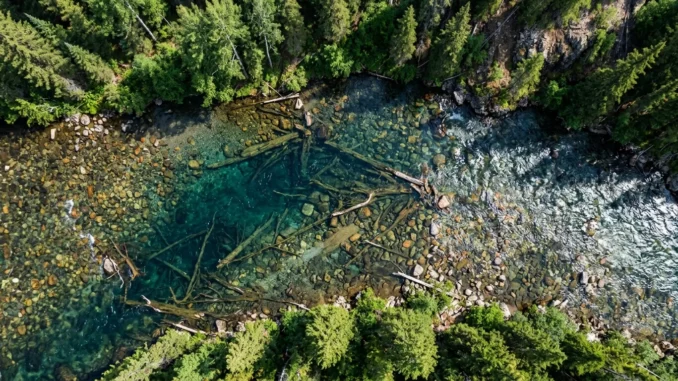
- Submerged Logs and Brush Piles: Fallen trees or intentionally sunk brush provide excellent ambush points and shelter. Bass, Catfish, and Crappie are particularly fond of these woody sanctuaries.
- Overhanging Trees and Bushes: These cast crucial shade, especially on bright days, and often drop insects or small critters into the water, creating a natural feeding station.
- Shadow Lines: Look for the edges of shade created by trees, docks, or bridges. Fish often patrol these lines, darting out into the sun to feed and retreating into the darkness.
Honestly, you’ll be amazed at how many fish will hold tight to even a tiny piece of cover. A single fallen branch can be holding a good-sized fish!
Reading the Water: Beyond the Surface
Now that you know what structure and cover look like, let’s talk about how the water itself gives you clues. The water’s appearance, movement, and depth all tell a story about where fish might be lurking.
Water Clarity and Color: Your First Clues
The first thing you probably notice about any body of water is its clarity and color. This isn’t just aesthetic; it’s a critical piece of information for fish behavior and lure selection.
- Clear Water: Fish in clear water (like many Trout streams or pristine lakes) tend to be warier. They rely more on sight and are easily spooked. You’ll want lighter lines (6-8 lb monofilament or fluorocarbon) and more natural-colored baits or lures. Presentation is key here, often requiring longer casts.
- Stained Water: This is often a light tea color or slightly murky. It’s a fantastic middle ground where fish feel comfortable but still have good visibility. Many fish species thrive here, and it’s a great starting point for beginners. Brighter colored lures (chartreuse, orange) or those with more vibration can work well.
- Muddy Water: After heavy rains or in areas with high runoff, water can be very turbid. Fish’s visibility is severely limited, so they rely on their lateral line (sensing vibrations) and smell. This is when loud, vibrating lures (like a crankbait with rattles) or strong-smelling natural baits (cut bait for Catfish, worms for Bass) truly shine.
But what would you do in this situation? Imagine you’re at your favorite pond after a big rain, and the water is chocolate milk. You wouldn’t throw a tiny, natural-colored jig, would you? You’d reach for something that makes a ruckus or smells irresistible, right?
Current and Flow: The Dinner Bell
In rivers, streams, and even tidal estuaries, current is everything. It’s a conveyor belt for food and oxygen, and fish position themselves strategically to conserve energy while waiting for a meal to drift by.
- Eddies and Slack Water: These are areas where the current slows down or creates a swirling pocket behind an obstruction (like a large rock, fallen tree, or bridge piling). Fish will often sit in these calmer spots, waiting for food to be swept past the faster currents.
- Seams: The line where fast current meets slow current. This is a super high-percentage area! Fish will sit in the slower water and dart into the faster current to grab passing food.
- Downstream of Obstacles: Just like eddies, the downstream side of any obstruction that breaks the current is usually a hotspot. This includes bridge pilings, large rocks, and fallen trees.
When fishing rivers, I always focus on these current breaks. It’s like finding a buffet line for fish; they don’t have to work hard to eat.
Depth and Drop-offs: The Vertical World
Fish are constantly moving up and down in the water column, often more than side to side. Understanding depth changes is fundamental, even without a fancy fish finder. A simple bobber can tell you how deep an area is. Look for areas where the depth changes rapidly, creating a steep incline or a drop-off. These are thermal highways and feeding lanes.
- Seasonal Movements: In spring, fish move shallow to spawn. In summer, they often retreat to deeper, cooler water during the day, coming shallower to feed at dawn and dusk. Fall sees a big feeding frenzy as they pack on weight for winter, often moving back to shallower flats.
- Bottom Transitions: The line where a sandy bottom meets rocky terrain, or where mud transitions to gravel, can be a subtle but significant depth change that attracts fish.
Even if you’re fishing from a pier, knowing the general depth and looking for signs of deeper water nearby (like a darker patch of water) can make a huge difference.
Putting It All Together: The Angler’s Checklist
Now that we’ve covered the individual elements, let’s combine them into a practical approach. When you arrive at a fishing spot, take a moment to observe before you cast.
Shoreline Clues: What Does the Land Tell You?
The land above water is a giant map for what lies beneath. If you see a steep bank on shore, chances are there’s a quick drop-off underwater. A gentle, sloping bank might indicate a long, shallow flat. Overhanging trees or bushes often mean their root systems extend into the water, providing excellent cover. Points of land that jut into the water usually continue underwater as a point or hump, a classic fish-holding structure.
Surface Activity: The Visible Signs
Sometimes, the fish announce their presence! Look for:
- Jumping or Splashing Fish: Obvious, right? But note *where* they’re jumping. Is it near a log? A weed line?
- Baitfish Schools: Small baitfish dimpling the surface or fleeing in unison are a sure sign that predators are nearby.
- Feeding Birds: Gulls, terns, or even kingfishers diving into the water are often pinpointing schools of baitfish, which in turn attract larger game fish.
- “Nervous Water”: Subtle ripples or disturbances on an otherwise calm surface, often caused by a school of fish just below.
I remember one blustery Saturday morning, I was ready to pack up after a slow start. Then, I noticed a lone heron repeatedly diving in one small section near a submerged log. I cast my lure exactly where it was diving, and within minutes, I had hooked into a beautiful Largemouth Bass. Never underestimate nature’s clues!
Seasonal Considerations: Fish Behavior Changes
Fish are creatures of habit, and their habits are heavily influenced by the seasons. A good angler understands these annual rhythms:
- Spring: Fish move shallow for spawning. Focus on flats, coves, and areas protected from wind, especially those with some cover or structure.
- Summer: Heat drives fish deeper during the day, seeking cooler water and shade. Target deep structure, weed lines, and heavy cover like docks or overhanging trees. Early morning and late evening often see them move shallower to feed.
- Fall: The famous “fall feeding frenzy.” Fish are bulking up for winter. They’ll often be found transitioning between deep and shallow water, aggressively chasing baitfish. Points, humps, and creek channels are excellent.
- Winter: Fish activity slows down. They typically hold in deeper, more stable water, often near significant structure, and are less inclined to chase. Slow presentations are key.
Common Mistakes & How to Fix Them
Even with all this knowledge, beginners (and even seasoned pros!) can make simple mistakes:
- Fishing Featureless Water: Casting repeatedly into open, barren water. Fix: Actively seek out structure and cover. If you don’t see any, move!
- Ignoring Subtle Signs: Not paying attention to nervous water, bird activity, or small splashes. Fix: Pause, look around, listen. Let nature guide you.
- Staying in One Spot Too Long: If you’re not getting bites after 15-20 minutes in a spot, especially if it doesn’t have obvious structure/cover. Fix: “Fan cast” the area (cast to different spots around you), then move. Fish are rarely everywhere.
- Not Adapting to Conditions: Using the same lure or technique regardless of water clarity, current, or time of day. Fix: Be flexible. If clear water demands natural colors, switch. If muddy water needs vibration, go for it.
Quick “What to Do This Weekend” Takeaway
This weekend, find a local lake, river, or pier. Before you even tie on a lure, spend 10-15 minutes just observing. Look for those drop-offs, weed lines, fallen logs, or bridge pilings. Notice the water clarity and any surface activity. Cast to these obvious fish magnets first. You’ll be amazed at how quickly you start seeing your surroundings with a new, fish-finding eye. Trust me, learning to read the water isn’t just about catching more fish; it’s about deeply understanding the aquatic world, making every trip a more engaging and rewarding experience. Happy hunting, Fish Hunter!
Leave a Reply