
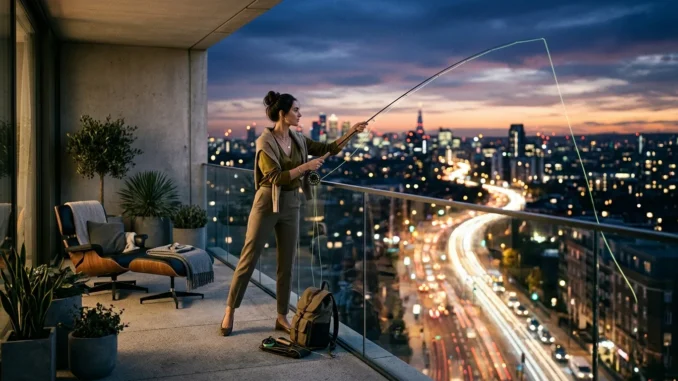
From City Concrete to Fish Bites: Why Fishing is Your Next Great Escape
Living in an apartment, surrounded by the buzz of the city, it’s easy to feel disconnected from nature. You might dream of casting a line into a peaceful lake or river, but think it’s too complicated, too expensive, or just too much hassle for your busy schedule. Well, let me tell you, that’s simply not true! As a seasoned angler who’s spent over two decades chasing fish in every corner, from bustling city piers to quiet suburban ponds, I’ve seen firsthand how accessible and rewarding fishing can be, even if your “backyard” is a balcony.
Fishing isn’t just about catching fish; it’s about disconnecting from screens, breathing fresh air, and finding a moment of calm amidst the urban chaos. It’s a perfect hobby for apartment dwellers and office workers looking for that weekend escape, without needing to drive hours away. The best part? You don’t need a boat, a truck, or a garage full of gear. You just need a little know-how, the right simple setup, and a willingness to explore your local waters. And honestly, it’s probably easier than you think to get started.
Gear Up Smart: Your Essential, Budget-Friendly Urban Angler’s Kit
Forget those intimidating tackle shops with walls of expensive gear. For beginners, especially those living in apartments, simplicity and portability are key. We’re going to build a core kit that’s effective, affordable, and easy to store.
Your First Rod and Reel Combo: The Spinning Setup
For someone just starting out, a spinning combo is your best friend. Why? It’s incredibly versatile, easy to learn, and forgiving for casting. A spinning reel sits underneath the rod, and the line comes off in coils, making it less prone to tangles than other reel types. You want something that’s not too long for easy transport and casting in tighter spots, but long enough to give you good casting distance.
- Rod: Look for a 6 to 7-foot medium-action spinning rod. This length offers a great balance of casting distance and control, and “medium action” means it’s flexible enough to cast lighter baits but strong enough to handle a decent-sized fish.
- Reel: Pair that rod with a 2500 or 3000 size spinning reel. These sizes are perfect for handling common freshwater species like bass, trout, and panfish, as well as smaller saltwater species from piers. Many brands offer excellent rod and reel combos for under $70-$100, which is perfect for beginners.
Line, Lures, and Little Essentials
Now that you have your rod and reel, let’s get it spooled up and ready. The right line is crucial, and for beginners, I always recommend sticking with the basics.
- Fishing Line: For your first setup, I recommend 6 to 10-pound test monofilament line. Monofilament line (often shortened to “mono”) is a single strand of nylon, known for its stretch, ease of tying knots, and affordability. It’s forgiving for beginners and great for most freshwater fishing. If you plan on targeting slightly bigger fish or fishing in areas with more snags, you could go up to 12-pound test.
- Basic Tackle: You’ll need a small tackle box or bag with a few essentials:
- Hooks: A variety pack of sizes 4, 2, and 1 circle hooks or bait holder hooks.
- Sinkers: Small split-shot sinkers (sizes BB to 3/0) and a few egg sinkers (1/4 to 1/2 oz).
- Bobbers/Floats: Small clip-on bobbers are great for beginners to detect bites easily.
- Swivels: Small barrel swivels (size 10-12) to prevent line twist.
- Pliers: Small needle-nose pliers are invaluable for removing hooks and cutting line.
- Small Scissors/Line Cutter: For clean line cuts.
This entire basic kit should cost you around $100-$150, making it an incredibly accessible hobby. Don’t feel pressured to buy the most expensive gear; what matters is getting out there and learning!
Unlock Your Local Waters: Finding Fish Near Your Apartment
You’ve got your gear, but where do you actually go? Living in the city doesn’t mean you’re far from fishing opportunities. Many urban areas boast fantastic, often overlooked, fishing spots.
Scouting Your Urban Oasis
Start by looking at a map! Seriously. Google Maps or a local parks and recreation website can be your best friends. Look for:
- City Parks with Ponds or Lakes: Many municipal parks have stocked ponds or natural lakes teeming with fish. These are often easy to access and may even have designated fishing areas.
- Rivers and Canals: If your city has a river running through it, there are likely public access points, bridges, or pathways where you can cast a line. Canals can also hold surprisingly good populations of fish.
- Piers and Docks (Saltwater or Freshwater): If you’re near the coast or a large bay, public fishing piers are goldmines. They often have cleaning stations and attract a variety of saltwater species. Even large freshwater lakes might have public docks.
A quick tip: Check your state’s fish and wildlife department website. They often have detailed maps of public fishing access points, stocking reports, and information on local species. For example, imagine this situation: you’re wrapping up work, it’s a beautiful evening, and you know there’s a small park pond just a 15-minute walk from your apartment. That’s your perfect quick escape!
Common Urban Species to Target
The beauty of urban fishing is the variety. Here are some common, beginner-friendly species you’re likely to encounter:
- Freshwater:
- Largemouth Bass: A popular sport fish, aggressive and fun to catch.
- Panfish (Bluegill, Crappie, Perch): Small, abundant, and great for learning to detect bites.
- Catfish: Often found in deeper, murkier waters, they put up a strong fight.
- Saltwater (from piers/bays):
- Snapper (various types), Croaker, Perch: Smaller, common pier catches.
- Flounder: Bottom dwellers, great eating.
First Cast Confidence: Baits, Lures, and Essential Knots for Beginners
You’ve got your spot; now, what do you put on the hook? Keeping it simple will lead to more success.
Baiting Your Hook for Success
For beginners, live bait is king. Fish are naturally attracted to it, increasing your chances of a bite. It’s often the easiest way to get started.
- Live Worms (Nightcrawlers, Red Wigglers): The universal bait! Perfect for panfish, bass, trout, and even smaller catfish. You can buy them at any bait shop or even dig them up after a rain.
- Corn or Dough Balls: Excellent for stocked trout and catfish in freshwater.
- Shrimp (Fresh or Frozen): A fantastic all-around bait for saltwater species from piers and docks.
Once you get comfortable with live bait, you can experiment with lures. A lure is an artificial bait designed to imitate natural prey. For starters, try a few small spinnerbaits (small metal blades that spin and flash) or soft plastic grubs (flexible, worm-like lures). These are versatile and can catch a variety of fish.
Knots You MUST Know: The Improved Clinch and Palomar
A reliable knot is the lifeline between you and your fish. There are dozens of knots, but as a beginner, mastering just two will serve you incredibly well.
- The Improved Clinch Knot: This is your go-to knot for tying a hook, swivel, or lure directly to your monofilament line. It’s strong and relatively easy to learn.
- The Palomar Knot: Considered one of the strongest and most reliable fishing knots, especially for monofilament and even braided lines. It’s perfect for attaching lures or swivels.
Practice these at home before you go! There are countless videos online showing step-by-step instructions. A strong knot gives you confidence, and confidence catches fish.
Beyond the Catch: Sustainable Practices & Your First Weekend Trip
As anglers, we’re stewards of the water. Practicing sustainable fishing ensures these opportunities remain for everyone.
Fishing Responsibly: Catch and Release and Regulations
Always familiarize yourself with local fishing regulations regarding catch limits, size restrictions, and specific seasons for different species. This information is usually available on your state’s fish and wildlife website. For fish you don’t intend to eat or that are undersized, practice catch and release:
- Handle fish gently with wet hands to protect their slime coat.
- Use barbless hooks (or pinch down the barb on regular hooks with pliers) for easier, less damaging hook removal.
- Release the fish quickly back into the water, ensuring it swims away strongly.
Beyond fish, always practice “Leave No Trace.” Pack out everything you pack in, including any discarded fishing line or bait containers. Our urban fishing spots are shared spaces, and keeping them clean benefits everyone.
Your Quick “What To Do This Weekend” Takeaway!
Alright, you’ve got the knowledge, now it’s time for action. Here’s your game plan for this weekend:
- Get Your Starter Combo: Head to a local sporting goods store and grab a 6-7 ft medium spinning rod combo (2500-3000 size reel), spool it with 8-10 lb monofilament.
- Basic Tackle: Pick up some hooks (sizes 4, 2, 1), split-shot sinkers, a few clip-on bobbers, and small pliers.
- Find Your Spot: Use Google Maps to locate a park pond, river access, or pier within easy reach of your apartment. Check online for local fishing regulations.
- Bait Up: Grab a container of live worms. They are irresistible to most freshwater fish. If you’re at a pier, fresh shrimp is a winner.
- Practice Knots: Before you leave, spend 15 minutes practicing the Improved Clinch and Palomar knots.
- Go Fish! Head out, cast your line, and enjoy the peace. Don’t worry about catching a trophy on your first try; focus on enjoying the process and feeling that first tug on the line.
Trust me, that moment when you feel that first fish bite, even a small one, is an absolute thrill that will hook you for life. Fishing from your apartment doesn’t have to be a dream; it can be your new, relaxing reality. Get out there, explore your local waters, and discover the joy of the catch. I believe you’re going to love it!
Leave a Reply