
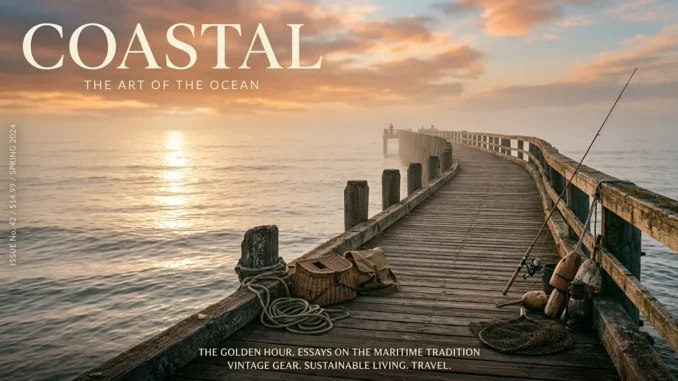
Unlock Coastal Adventures: Why Pier Fishing Is Your New Favorite Hobby
Ever gazed out at the ocean from a bustling pier, watching anglers reel in fish, and thought, “I could do that”? Well, my friend, you absolutely can! Pier fishing is hands down one of the easiest, most accessible, and incredibly rewarding ways for beginners to dive into the world of saltwater fishing. You don’t need a boat, no fancy electronics, just some basic gear, a little know-how, and a sense of adventure. It’s the perfect escape for apartment dwellers needing a breath of fresh air or office workers seeking a relaxing weekend hobby.
As an angler with over two decades of experience, I’ve spent countless hours on piers from the Atlantic to the Pacific, and I can tell you this: piers are fish magnets. They offer structure, attract baitfish, and provide easy access to deeper water without the need for a vessel. In this guide from Fish Hunter, we’re going to break down everything you need to know to make your first, or next, pier fishing trip a resounding success. We’ll cover the gear that matters, the bait coastal fish can’t resist, and the simple techniques that will have you feeling like a pro in no time.
Your Essential Pier Fishing Gear Checklist (No Overspending!)
Let’s be honest, walking into a tackle shop can be overwhelming. So many options, so many price tags! But for pier fishing, you really don’t need much. My philosophy is always to start simple, get comfortable, and then upgrade as your passion grows. Here’s what you’ll need to get started without breaking the bank.
Rod & Reel Combo: The Perfect Starting Point
For pier fishing, versatility is key. You’ll want a setup that can handle a variety of fish sizes and casting distances. My go-to recommendation for beginners is a medium-action spinning rod, typically 6 to 7 feet long. A medium action means it’s flexible enough to cast lighter baits but still has enough backbone to fight a decent fish. Pair this with a spinning reel in the 2500-3000 size range. A spinning reel is the most user-friendly reel type, perfect for casting lighter weights and managing line. The reel’s bail wire opens to allow line to peel off freely during a cast and snaps shut to begin retrieval.
For line, I suggest starting with 6-12 lb monofilament line. Monofilament is a single-strand nylon line, very forgiving, easy to tie knots with, and offers good stretch, which can help prevent break-offs when a fish makes a sudden run. For bigger target species or if you find yourself fishing around abrasive structures, you might consider stepping up to a 10-20 lb braided line later on. Braided line is made of multiple strands woven together, offering incredible strength for its diameter and no stretch, giving you excellent feel for what’s happening at the end of your line.
Terminal Tackle: Hooks, Weights, and Swivels
This is where your bait meets the fish. You’ll need a few essential items:
- Hooks: For pier fishing, I mostly use circle hooks. They are fantastic for beginners because they are designed to hook fish in the corner of the mouth, making for easier release and less harm to the fish. Sizes 1/0 to 4/0 are a great starting range for most common pier species like Snapper, Croaker, and small Red Drum. The “1/0” (one-aught) is smaller than “4/0” (four-aught).
- Weights: Depending on the current and depth, you’ll need various weights to get your bait down. Pyramid weights (1-3 oz) are great for holding bottom in current, while egg weights (1/2 oz to 2 oz) are ideal for a more natural drift.
- Swivels: These small but mighty connectors prevent your line from twisting. Barrel swivels are standard; connect your main line to one end and your leader (a short piece of line tied to your hook) to the other.
Honestly, you don’t need a huge tackle box. A small assortment of these items will cover most situations. Remember, we’re aiming for simple, effective setups here.
The “Must-Haves” Beyond Rod & Reel
Beyond your rod and reel, a few other items will make your pier fishing experience much smoother: a good pair of pliers (for removing hooks and cutting line), a small bait knife, a rag or towel (for handling fish and wiping hands), a small cooler (for bait and drinks), sunscreen, a hat, and polarized sunglasses. Oh, and don’t forget your fishing license! Always check local regulations before you go.
Bait & Lure Strategies: What Coastal Fish Love to Eat
Now that your gear is sorted, let’s talk about the most crucial element: attracting fish! The right bait can make all the difference between a slow day and a bent rod. Pier fishing offers a smorgasbord of options, but here are my top picks for beginners.
Live Bait: The Undisputed King
When it comes to consistent pier success, live bait is often the undisputed king. It looks, smells, and moves like natural prey, making it irresistible to hungry fish. My absolute favorite for beginners is live shrimp. You can often buy them at bait shops right on the pier or nearby. Hook them through the tail for casting or through the horn for a more natural presentation. Shrimp are candy for almost any coastal fish: Snapper, Croaker, Red Drum, Speckled Trout, and even Flounder.
Other excellent live bait options include small minnows or finger mullet (if available) for bigger predatory fish, or even fresh pieces of squid or cut bait (like mackerel or mullet) for bottom dwellers. Imagine this situation: you’ve cast out a live shrimp, and suddenly your rod tip starts dancing. That’s the magic of live bait at work!
Artificial Lures: When to Throw Them
While live bait is often king, sometimes fish are actively chasing, and that’s when artificial lures shine. For pier fishing, I recommend starting with a few simple options: casting spoons (like a Kastmaster or a Gotcha Plug) for fast-moving fish like Spanish Mackerel or Bluefish, and some simple soft plastic grubs or jerk shads rigged on a jig head. These are versatile and mimic baitfish. A topwater lure, which floats and creates surface disturbance, can be exhilarating when active fish are busting bait on the surface, but it requires a bit more technique to work effectively.
When should you use lures? If you see baitfish scattering on the surface, or birds diving, it’s a good sign that predatory fish are in a feeding frenzy. That’s your cue to tie on a spoon or a soft plastic and cast into the action. To be fair, live bait is generally more passive and productive for beginners, but lures offer an exciting alternative when conditions are right.
Mastering Pier Fishing Techniques & Knots
You’ve got your gear, you’ve got your bait – now let’s put it all together and catch some fish! Pier fishing techniques are refreshingly straightforward, making them perfect for those just starting out.
Basic Rigging for Pier Success
For most pier fishing, you’ll be focusing on getting your bait to the bottom or just above it. The most common and effective rig for beginners is a simple bottom fishing rig, sometimes called a fish finder rig or a high-low rig. A simple version involves: tying your main line to a barrel swivel, then attaching a 12-24 inch piece of leader line (often fluorocarbon, which is less visible underwater than mono) to the other end of the swivel. On this leader, tie your hook. About 6-12 inches above the hook, you can crimp on a split shot or use a dropper loop to attach another hook. Then, attach a weight to the very end of your leader. This allows your bait to be presented naturally near the bottom. For casting, a simple overhead cast is usually sufficient; just be mindful of others on the pier!
Essential Knots You Need to Know
Good knots are non-negotiable. A weak knot means a lost fish and a lost lure. You only really need to master two or three for pier fishing:
- Improved Clinch Knot: This is your workhorse knot. It’s strong and reliable for tying your fishing line to a hook, swivel, or lure. It’s relatively easy to learn and perfect for monofilament line.
- Palomar Knot: A favorite among many seasoned anglers, the Palomar Knot is incredibly strong and excellent for tying on hooks or swivels, especially if you’re using braided line. It might look a little intimidating at first, but with a few practice runs, you’ll master it.
Practice these knots at home until you can tie them quickly and confidently. There are tons of great video tutorials online – just search for “Fish Hunter knots” for some visual guides!
Reading the Pier & Water
Fishing isn’t just about casting; it’s about understanding where the fish are. Piers provide excellent structure that attracts baitfish, which in turn attracts bigger predatory fish. Look for areas around the pilings, especially those with barnacles or growth, as these provide cover and food. Also, pay attention to the tides and current. Fish often feed more actively during incoming or outgoing tides when bait is being moved around. What would you do in a situation where the current is ripping? You’d likely use a heavier weight to hold bottom, wouldn’t you?
Keep an eye out for any signs of life: jumping baitfish, diving birds, or even other anglers reeling in fish. These are all clues that tell you where the action might be.
Sustainable Fishing & Common Mistakes to Avoid
As passionate anglers, we have a responsibility to protect our fisheries. Sustainable practices ensure that fishing remains a joy for generations to come. Plus, knowing how to avoid common pitfalls will save you a lot of frustration!
Be a Responsible Angler
The core of sustainable fishing is simple: take only what you need, and leave the rest for tomorrow. Practicing catch and release, especially for fish you don’t intend to eat or those that are undersized/oversized, is crucial. Learn how to handle fish gently, supporting their body weight and minimizing time out of water. Using barbless hooks (hooks with the barb crimped down) makes releasing fish even easier and less traumatic for them. Always be aware of and respect local size and bag limits – these regulations are in place to protect fish populations. Finally, always clean up your trash, especially discarded fishing line, which can be deadly to wildlife.
Rookie Blunders & How to Dodge Them
Every angler, myself included, has made these mistakes. Here’s how you can learn from them:
- Over-complicating your setup: Don’t buy every gadget. Start simple.
- Not checking local regulations: A quick online search can save you a hefty fine.
- Ignoring the current/tide: These dictate where fish are and how your bait behaves.
- Being impatient: Fishing is called “fishing,” not “catching” for a reason. Sometimes you just have to wait. Honestly, the most patient anglers often catch the most fish.
- Tangles: The dreaded bird’s nest! If your line gets tangled, stay calm. Often, slowly pulling loops apart works. If it’s really bad, sometimes it’s faster to just cut out the tangled section and re-tie. Keep a small pair of scissors handy.
Your Next Coastal Adventure Awaits!
Pier fishing offers an incredible gateway to the world of angling. It’s accessible, affordable, and incredibly diverse in the types of fish you can catch. From the relaxing rhythm of casting and waiting to the thrilling tug of a fish on the line, it’s an experience that truly recharges the soul. With the right basic gear, a bit of fresh bait, and these simple techniques, you’re well on your way to becoming a confident coastal angler.
So, what are you waiting for? This weekend, grab a rod, pack some shrimp, and head to your nearest pier. The ocean is calling, and your next great fishing story is just a cast away. Happy fishing from your friends at Fish Hunter!
Leave a Reply